Get Full Government Meeting Transcripts, Videos, & Alerts Forever!
Get email alerts on the Budget topic
No spam. Unsubscribe anytime.
Board executive director reports fiscal-year shortfall; staff to review fee options
Summary
The board’s executive director reported a fiscal-year 2023–24 shortfall of $26,947 and said staff will review fee and cost-recovery options; the board discussed enforcement cost recovery and the potential need to seek fee adjustments through the government operations process.
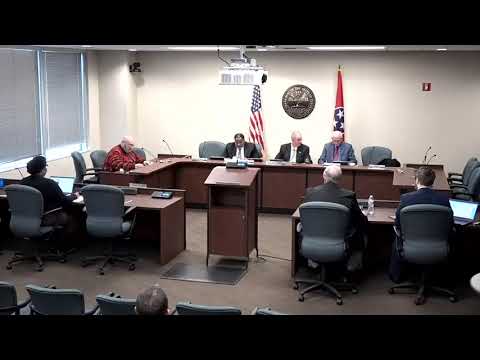
The Tennessee Board of Funeral Directors and Embalmers' executive director told the board on Jan. 14 that the board closed fiscal year 2023–24 with a reserve balance of $1,098,434 but a net operating deficit of $26,947 for the year.
Why it matters: Board leaders said the deficit breaks a long pattern of operating surpluses and prompted discussion about whether assessed civil penalties and/or licensing fees should better reflect the board’s enforcement and administrative costs.
What the director reported
Executive Director Mr. Gribble presented the board's financial summary for July 1, 2023 through June 30, 2024. He reported a beginning balance of $1,125,184 and net revenue of $736,166, with total expenditures of $763,113, leaving the $1,098,434 reserve balance. Gribble noted the board had not experienced a core state assessment charge in the reported year but expects one in the current fiscal cycle.
Gribble highlighted components of the budget: payroll and employee benefits, travel and lodging for inspectors and board members, professional services and cost-backs from central administration, and customer service/complaint handling. He also flagged a decline in case-and-complaint revenue (civil-penalty receipts) from prior years — $48,935 in one earlier year down to $17,641 in 2023–24 — which reduced an otherwise positive revenue outlook.
Board discussion
Members asked whether civil penalties cover the board’s investigation and hearing costs and whether raising civil penalties or licensing fees should be considered. Gribble said the department monitors consent orders and follows up on unpaid penalties; he described the administrative balance between pursuing formal hearings (which can be resource-intensive) and resolving matters by consent orders.
Gribble suggested the board give staff time to analyze revenue and expense drivers and return with a formal recommendation if a fee change is warranted. He said any fee adjustment would require a public rulemaking process and review by the government operations committee.
Ending
The board accepted the executive director’s report. Staff will review enforcement cost recovery and licensing-fee options and report back with recommendations; the board indicated it wants to consider whether assessed penalties and fee schedules adequately cover administrative costs.