Get Full Government Meeting Transcripts, Videos, & Alerts Forever!
Get email alerts on the Economic Development Tourism topic
No spam. Unsubscribe anytime.
City Council consents to countywide wine business improvement district after unanimous vote
Summary
After presentations from vintners and hospitality partners, the Santa Barbara City Council voted unanimously to let the County create a Santa Barbara County Wine Business Improvement District that would include city wineries and impose a 1% assessment on direct-to-consumer retail sales.
The Santa Barbara City Council voted unanimously Feb. 4 to grant the County of Santa Barbara consent to include territory inside the city in a proposed Santa Barbara County Wine Business Improvement District.
The council’s action allows the county-led ballot process to include city wineries in a district that proponents say will produce steady, predictable marketing funds for the region’s wine industry and its hospitality partners.
The item was introduced by Allison Laslett, chief executive officer of the Santa Barbara Vintners Association. Laslett told the council the district would levy a 1% assessment on direct-to-consumer retail sales at participating wineries and tasting rooms. “We expect this district to bring in approximately 1 and a half million dollars annually,” she said, adding that the assessment would not apply to wholesale sales or sales outside California.
Laslett described a collections process that would use HDL, a third-party firm the county already works with, and said HDL would take a 2% administration fee before remitting funds to the Vintners Association.
More than two dozen vintners and winery representatives spoke in favor of the district. Ashley Parker Snyder of Fess Parker Winery said the funds would help “compete in a hyper competitive industry” and would complement Visit Santa Barbara’s marketing work. Nicholas Miller, whose family operates a downtown tasting room, said grants the Vintners Association previously obtained had produced measurable sales growth and that the assessment would provide a stable funding source when grants lapse.
Visit Santa Barbara President and CEO Kathy Janega Dykes endorsed the measure, telling council that many visitors who stay overnight in Santa Barbara extend their trips to taste wines in the county. “As the largest city in Santa Barbara County and certainly the gateway to the wine region, our participation and support are so critical,” Janega Dykes said.
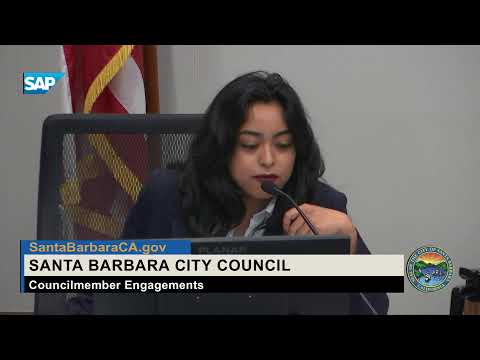
Council members who commented cited the regional economic link between wine, lodging and restaurants. Council member Sneddon moved to adopt the staff recommendation to grant consent; Council member Harmon seconded. The vote was unanimous.
Proponents emphasized that the assessment is industry-led rather than a government tax and that the Vintners Association would use the funds for marketing, public relations and events that target wine consumers. Speakers pointed to other California wine districts — Temecula, Livermore and Amador County — and to a Temecula result they described as an 18% increase in visitation in one year after forming a wine bid.
Opponents did not appear in significant numbers at the council hearing. Staff materials in the council packet show the county ballot process had collected petitions from wineries representing more than 60% of the industry’s support by economic weight, above the 50% threshold required under state law.
The council’s resolution grants the county the authority to include the city in the county ballot and to count ballots cast by city wineries in the countywide tabulation. If the hotel and winery ballots pass at the county level, the assessment will be implemented and funds will be collected by HDL and distributed to the Vintners Association for the management district plan the association submitted to the county.
The council did not set a local ordinance or assessment rate; those steps are part of the county-led formation and ballot process. City staff said wineries that do not wish to participate would be excluded from the district during the county ballot tabulation.
The council’s action was procedural consent to allow the county to include the city’s territory in the county process; it did not itself levy the assessment. The county board of supervisors will tabulate ballots and determine whether the district forms.