Get Full Government Meeting Transcripts, Videos, & Alerts Forever!
Get email alerts on the Municipal Finance topic
No spam. Unsubscribe anytime.
Winchester auditors deliver clean FY2025 opinion; auditors note fund balance and sustainability questions
Summary
Brown Edwards & Co. issued an unmodified (clean) opinion on Winchester’s FY2025 financial statements, reporting an $18.3 million increase in net position and a general fund reserve near three months of expenditures; auditors noted single-audit work will follow and encouraged attention to sustaining services once one-time funds end.
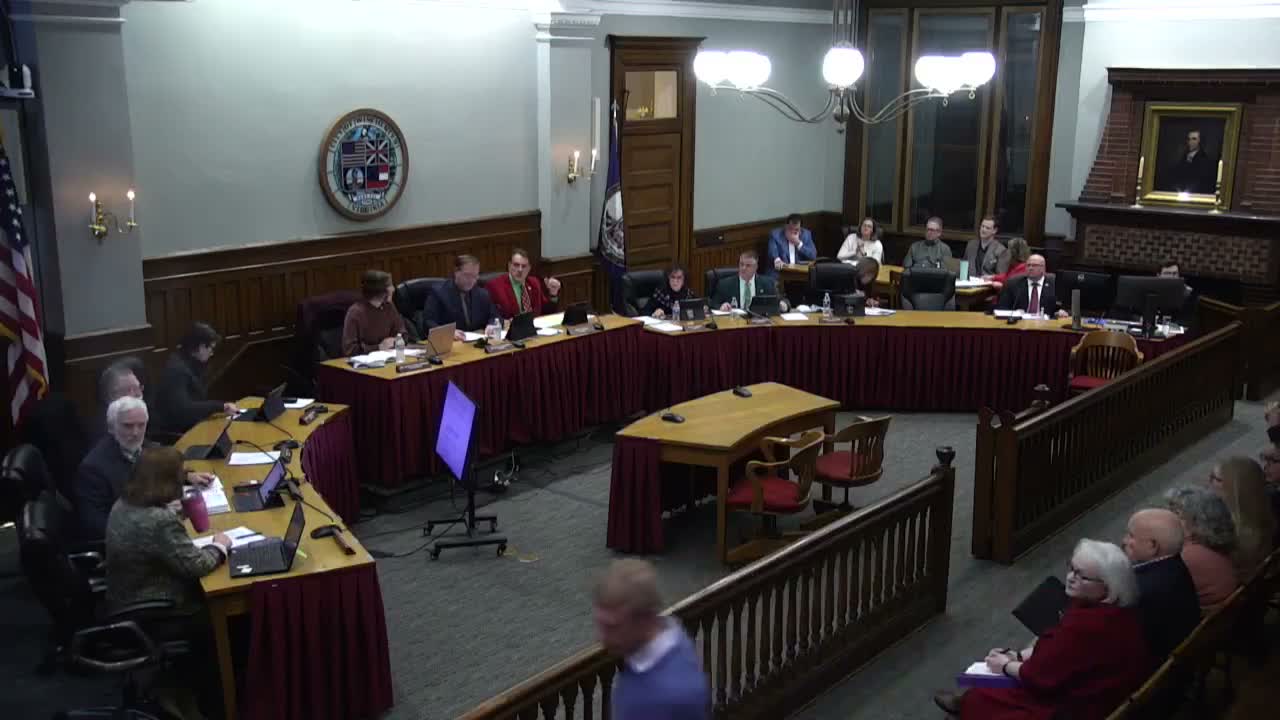
Brown Edwards & Company presented the City of Winchester’s FY2025 annual comprehensive financial report to council on Dec. 9 and issued an unmodified (clean) opinion on the city’s financial statements.
Senior audit manager Rebecca Gundon told council the audit opinion indicates the financial statements are materially correct and that the city submitted required materials to the state on Dec. 2. Gundon said the city’s net position increased by approximately $18.3 million year over year, driven primarily by tax collections and grant revenue. The general fund’s unassigned resources cover roughly 2.94 months of expenditures, meeting the Government Finance Officers Association’s recommendation of at least two months.
The auditor noted several standard communications that accompany the opinion, including a management letter (with status updates on prior comments), a compliance section and a forthcoming single‑audit report for federal grants that will be issued later because state guidance was delayed. Gundon emphasized there were no audit opinion qualifications or current compliance findings that would change the opinion.
Councilors asked about trends, debt covenants and the condition of capital assets. Gundon said business‑type activities (water, sewer, stormwater) remain self‑sufficient, debt service remained about 9.52% of expenditures over recent years, and capital asset condition shows some aging assets alongside investments in new capital. She urged attention to sustaining programs when one‑time federal funds expire.
Provenance: Rebecca Gundon presentation and Q&A (topic introduced SEG 1141; Q&A concluded SEG 1542).