Get Full Government Meeting Transcripts, Videos, & Alerts Forever!
Get email alerts on the Public Safety topic
No spam. Unsubscribe anytime.
Law enforcement highlights digital evidence and a new detection canine; victim‑witness advocate outlines support services
Summary
A law‑enforcement representative described how digital evidence underpins child‑exploitation investigations and demonstrated the role of 'Quincy,' an electronic‑storage detection canine. A victim‑witness advocate described services, interagency coordination, and where victims can find help.
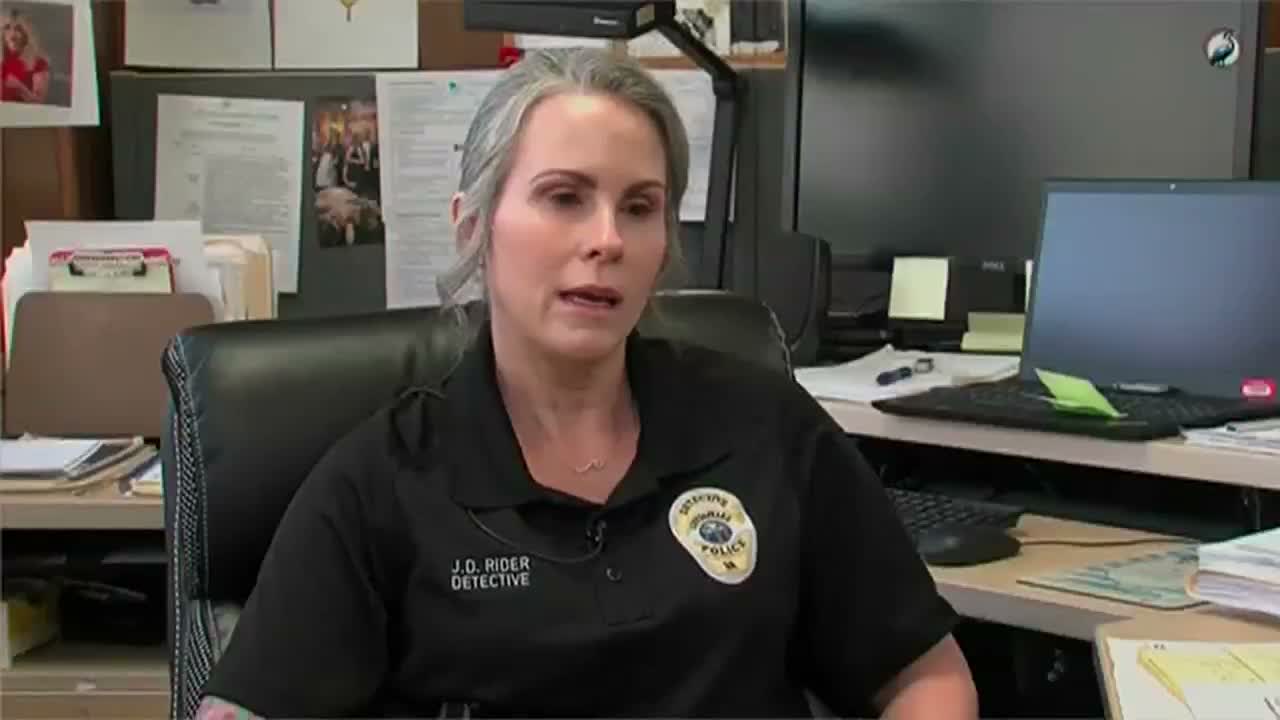
In a special segment preceding the council meeting, a law‑enforcement representative explained that digital evidence is critical to investigations of child exploitation and that most such crimes occur on electronic devices. The speaker said that images produced with artificial intelligence that depict children in sexual conduct are illegal in Virginia and stressed that faces do not have to be of real people for material to be unlawful.
The speaker introduced 'Quincy,' described as the unit’s electronic‑storage detection canine, and said Quincy can locate devices capable of storing and transmitting data — sometimes items as small as a fingernail — and that the canine has helped discover evidence that could otherwise be overlooked during search warrants. The speaker described how Quincy can assist in establishing probable cause when used with appropriate consent or a warrant.
Victim‑witness advocate (Speaker 4) described the advocate role: helping victims navigate the justice system, providing emotional support, coordinating referrals with the Commonwealth Attorney’s Office, the sheriff’s office, courts, hospitals and community partners, and avoiding giving victims false hope about outcomes. The advocate directed people to the Chesapeake Sheriff website (www.chesapeakesheriff.com) under the administration section for contact information on the victim‑witness program.
Host (Speaker 2) closed the special series installment, noting that technology and trafficking evolve rapidly and that community awareness and reporting are key to prevention.
Excerpts from officials in the segment were used by the council meeting to emphasize victim services and interagency collaboration but were presented as a separate program segment rather than part of the council's formal agenda.