Get Full Government Meeting Transcripts, Videos, & Alerts Forever!
Get email alerts on the Inspections Code Enforcement topic
No spam. Unsubscribe anytime.
Landlords and tenants clash over inspection frequency as committee weighs code‑enforcement funding
Summary
Public commenters and council members debated repeated inspections and coordination among agencies; staff said differing funding sources and program rules often require separate inspections and the city cannot unilaterally stop them, while the committee approved $200,000 for code enforcement with one recorded 'no.'
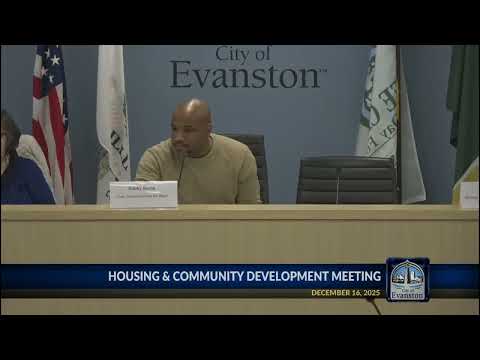
Public commenters and council members used the Dec. 16 HCDC meeting to press competing views on rental‑unit inspections as the committee considered code‑enforcement funding.
What was said in public comment Landlord Tina Paden said her building endured multiple inspections in a single year — by city staff, voucher programs, Catholic Charities and other program inspectors — and called for reform so landlords are not inspected repeatedly and so landlords receive prior notification for non‑emergency re‑inspections. Carlos Sutton echoed the call for landlord notification and said he rarely receives inspector follow‑up. Tenant Jessica Trujillo, however, argued the city’s inspection process protects renters and helps ensure landlords maintain safe units.
Committee and staff response Staff provided workload figures (roughly 15,000 rental units on a 3–5 year cycle and about 3,500–4,250 inspections per year performed by four city inspectors) and acknowledged different funders use different checklists and schedules. Staff and the director said some external programs will accept a recent city inspection but many program rules require their own inspections (for example, some voucher and federal‑funded program requirements). The committee discussed coordination limits: the funding source often determines inspection requirements and the city cannot unilaterally require other funders to accept its inspection results.
Outcome Despite concerns about duplication, the committee approved up to $200,000 in CDBG funding for the code‑enforcement program (roll‑call approval; Council member Rogers voted 'no'). Staff emphasized that the CDBG 'target area' cited in program documents refers to an accounting/eligibility map for CDBG expenditures and is not used to single out neighborhoods for inspections.
What remains unresolved Committee members asked whether the city can negotiate uniform timing with outside agencies for acceptance of recent city inspections; staff said that while they try to coordinate, program rules and funder requirements ultimately determine inspection timing and cannot always be changed locally.
Closing note The debate underscored tensions between landlord burden and tenant protections. Committee members asked staff to continue exploring ways to reduce duplication where feasible and to provide clearer communications to landlords and tenants about inspection processes.