Get Full Government Meeting Transcripts, Videos, & Alerts Forever!
Get email alerts on the Mlk Day Celebration topic
No spam. Unsubscribe anytime.
Columbus marks MLK Day with speeches, performances and calls for collective action
Summary
Speakers at the City of Columbus MLK Day celebration urged collective action on housing, violence and inclusion, honored three local leaders and featured performances by Central State University Chorus and local dancers.
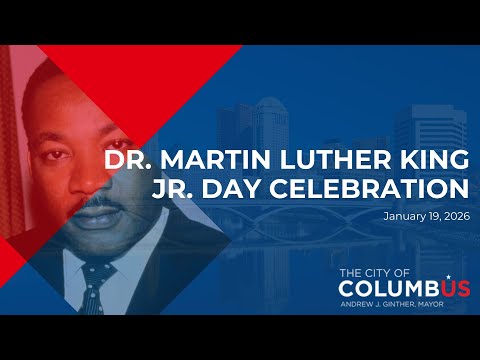
Columbus officials and community leaders gathered at the Lincoln Theater for the City of Columbus 2026 Martin Luther King Jr. Day celebration, featuring music, readings of Dr. King’s speeches, and calls for civic engagement.
Mayor Andrew J. Ginther, who addressed the audience near the event’s opening, tied Dr. King’s legacy to present‑day municipal challenges, urging unity and action on long‑standing problems such as affordable housing and violent crime. "Let us choose courage over fear, unity over division, hope over cynicism," Ginther said, framing the evening around collective responsibility.
The program included remarks from Congresswoman Joyce Beatty, who thanked attendees and emphasized civic participation and accountability. Beatty closed her remarks with a brief personal aside: "Just in case you don't know, I'm Congresswoman Joyce Beatty, and I approve this message."
Kim Douglas, director of the Department of Neighborhoods, recentered the program on Dr. King’s commitment to love and disciplined solidarity, citing King’s 1967 SCLC address: "I have decided to stick with love," she said, and urged attendees to hold one another accountable without stripping dignity from people they disagree with.
The celebration wove historic material and personal testimony. Portions of Dr. King’s "I Have a Dream" speech were recited, followed by local reflections that linked the speech’s promissory‑note metaphor to ongoing concerns about redlining, education and economic opportunity.
Community speakers shared personal stories to connect national civil‑rights themes to local realities. Karen Hewitt, a Community Relations Commissioner, focused on inclusion for LGBTQ+ residents and broader systems of oppression, saying that "LGBTQ plus people are far more likely to experience violence than to ever enact it." Hewitt also cited demographic and safety figures during her remarks (she stated that "around 1 percent of US adults identify as trans" and referenced "58 people" last year who were trans who were murdered or died by suicide); those figures were presented as part of a call to community care and solidarity and were not independently verified in the program.
The program also honored three individuals during the second annual MLK Honors: Sam Gresham Jr., described as a longtime civil‑rights and voting‑rights leader in Columbus and former Columbus Urban League president (listed as having passed away on 08/07/2025 in the program); Anne B. Walker, a veteran journalist and civic leader (program lists death 10/05/2025); and Les Wright, recognized for her decades of public service and noted as the first African American woman elected to Columbus City Council (program indicates she passed in November 2025). Family members were invited to stand for recognition and the audience observed a moment of silence.
Performances punctuated the evening: the Grammy‑nominated Central State University Chorus sang the national anthem and "Lift Every Voice and Sing," and the Dance Elite Performance Academy presented a dance selection. The emcee and event organizers thanked WBNS TV, the City of Columbus Department of Neighborhoods, historic Lincoln Theater staff, program volunteers and partnering organizations at the close of the program.
The event closed with a benediction by Dr. Howard T. Washington of Second Baptist Church, who prayed that the community "refuse to be silent when poverty still exists" and urged continued witness on housing, trafficking and justice concerns. Organizers encouraged attendees to carry the evening’s message into year‑round civic engagement rather than confining it to a single day.
The program included multiple speakers and readings that connected Dr. King’s historic speeches to current local issues; no formal municipal actions, motions or votes were announced during the event.