Get Full Government Meeting Transcripts, Videos, & Alerts Forever!
Get email alerts on the Building Security Policy topic
No spam. Unsubscribe anytime.
Committee adopts Part 15 security updates; debate centers on firearms exemptions and public access
Summary
The Joint Committee on Legislative Administration adopted revisions to Part 15 of the building‑use policy to implement a risk‑based security model (five‑tier permissions, exemption framework, conditional entry and a security intake form). Senator Starr voted no, citing a preference for allowing concealed‑carry permit holders.
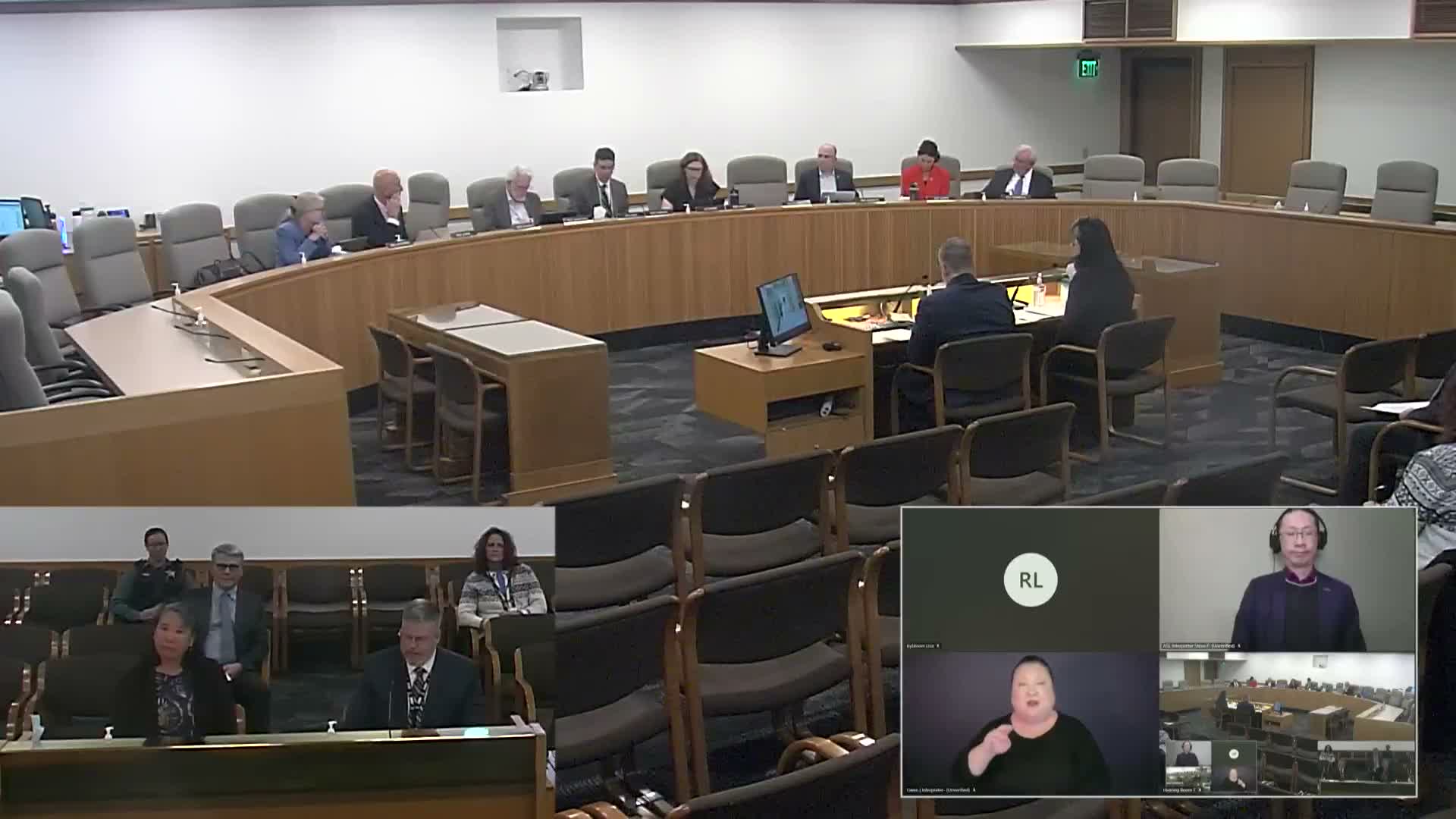
Brad Brainard, security manager for Legislative Administration, presented proposed revisions to Part 15 of the Capitol building‑use policy, saying the changes support a transition to an "enhanced risk‑based security model." Brainard described five principal updates: a five‑tier permissions structure defining allowed items for staff versus the public; an item‑exemption framework for approving restricted items where needed; conditional entry provisions for medical or religious needs; a security intake form to facilitate coordination for large or high‑profile events; and clarified liability language stating legislators are not responsible for items discarded at security checkpoints. "All these proposed changes have been reviewed by Legislative Counsel to ensure that the People's Building remains safe, functional and accessible," Brainard said.
Representative Gomberg asked whether off‑duty police officers or deputized staff may bring firearms into the Capitol. Brainard said a "specific statute on firearms" provides exemptions for many law‑enforcement categories (including DPSST‑qualified officers) and that the Oregon State Police (OSP) vets credentials before allowing entry. He said the rule references the statute to avoid repeating statutory text verbatim.
Senator Starr registered opposition to the revisions, saying he was not privy to earlier security drafting and that he believes concealed‑carry permit holders should be allowed to carry in the building. "I personally believe that individuals that have a concealed carry permit ought to be allowed to carry into the building. And for that reason, I will oppose these updates," Starr said, marking his intent to vote "no." Representative Gomberg said he supported the package but suggested the rule language could more clearly state who may carry weapons to avoid forcing readers to cross‑reference statutes.
Co Chair Fahey moved to adopt Legislative Administration's recommended changes to the building‑use policy. The committee held a roll‑call vote; the motion passed with a sufficient majority. The recorded roll call shows Senator Starr voted "no," while the other voting members present voted yes. The committee adopted the updated Part 15, which formalizes the exemption and intake processes and clarifies liability for discarded items.
Legislative Administrator (recorded in the transcript as Bridal Haynes/Haynes) offered continuing assistance with punch‑list items, climate/temperature adjustments and questions about rules; the committee adjourned thereafter.