Get Full Government Meeting Transcripts, Videos, & Alerts Forever!
Get email alerts on the Premises Vs Negligent Activity topic
No spam. Unsubscribe anytime.
Texas Supreme Court hears dispute over contractors, "necessary-use" rule and a roofer's fall
Summary
At oral argument in JMI Contractors v. Medi (No. 240846), justices pressed counsel over whether a general contractor's directions transform a preexisting roof-edge hazard into negligent activity and whether the judge-made "necessary-use" exception should apply to independent contractors; counsel also debated admissibility of evidence the worker consumed alcohol and marijuana hours before his fall.
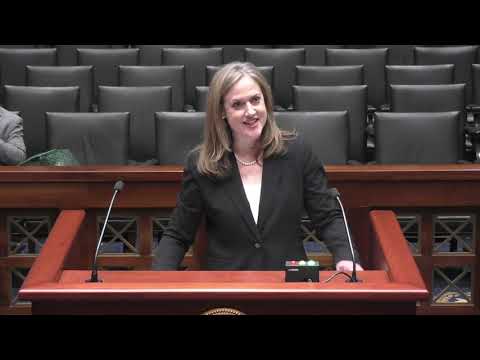
The Supreme Court of Texas heard argument in case no. 240846, JMI Contractors v. Medi, over whether a worker's fall from a two-story apartment roof created liability founded on a preexisting dangerous condition or on contemporaneous negligent activity tied to directions from the contractor.
In opening argument, counsel for the party seeking reversal framed three errors: legal sufficiency supporting the jury verdict, an allegedly incurable jury argument at closing, and erroneous exclusion of testimony about the worker's consumption of beer and marijuana earlier the same day. A justice asked counsel how to draw a line between an act that makes a situation more dangerous (negligent activity) and a preexisting hazard (premises liability).
Respondent counsel told the court that "control dictates the duty," arguing the jury found JMI exercised control over fall protection and that finding resolves the duty question in favor of the verdict. Counsel pointed to photos and exhibits of the roof, saying its carve-outs and the requirement that the worker pull slippery TPO material backward toward the edge created a different factual context than an ordinary, open-and-obvious rooftop hazard.
The parties disputed application of the necessary-use exception — a judge-made doctrine in Texas that can require an actor in control to make conditions safe rather than simply warn. One side urged the court not to extend that exception to independent contractors in this case, arguing the particular sampling work did not make travel to the edge "necessary." The other side argued the exception must remain available on a fact-specific basis, warning that a bright-line rule would simply shift risks to the next, often more vulnerable, person working at the site.
Counsel and justices also debated evidentiary rules about consumption. Respondent noted medical intake records showing marijuana present after the fall but said the defendants bore the burden to link any prior consumption to causation; counsel argued that, without expert proof tying hours-old consumption to impairment at the time of the fall, automatic admission of lay testimony could be prejudicial and reversible only in limited circumstances.
The court questioned whether open-and-obviousness is even reached if there is evidence of a contemporaneous direction and control that could give rise to negligent-activity liability. Counsel also raised that a motion in limine had sought to exclude immigration-status references and that a closing-comment argument touching on undocumented workers had been argued as potentially incurable.
The argument focused on doctrinal lines (negligent activity versus premises liability), the evidentiary showing necessary to admit consumption-related testimony, the role of control in fixing duty, and the policy implications of applying or limiting the necessary-use exception for independent contractors. Counsel asked the court either to reverse on legal-sufficiency grounds or to affirm depending on how the court resolves those questions. The court continued with follow-up questions and moved toward concluding remarks.