Get Full Government Meeting Transcripts, Videos, & Alerts Forever!
Get email alerts on the Zoning topic
No spam. Unsubscribe anytime.
Little Rock planning staff proposes downtown UU zoning changes to speed development and protect walkability
Summary
Planning staff told the board it will propose amendments to the downtown UU zoning to require predevelopment review, allow up to 85 feet by right with stepbacks, create parking maximums, restrict drive-thrus and new gas stations, and standardize event-center hours to align zoning with the downtown master plan.
Planning staff presented proposed amendments to the UU downtown zoning district intended to align the code with the downtown master plan, encourage high-quality residential and mixed-use development and protect pedestrian character.
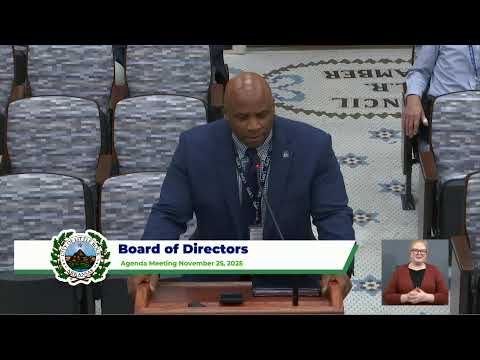
Brad (planning staff) summarized six key changes: mandatory predevelopment review meetings for early coordination, modernized height standards with an 85-foot by-right threshold and conditional-use review above that height, parking maximums to discourage overbuilt structures, prohibitions on new gas stations and surface parking lots in the core, enhanced drive-thru standards on specified corridors, and standardized midnight closing hours for event centers outside entertainment districts.
Why it matters: staff said the changes would streamline regulation, limit auto-oriented uses that undercut walkability and provide clearer standards for developers and residents. Brad said staff had met with property owners and neighborhood groups, including the Downtown Partnership and 303 Tower residents, and revised proposals based on feedback.
Board members asked how predevelopment meetings would operate and whether conditional-use allowances still exist; planning staff said the amendments would preserve conditional-use paths for projects seeking deviations (for example, buildings taller than 85 feet), while encouraging by-right compliance for simpler reviews.
Next steps Staff will bring the ordinance language to the formal agenda for subsequent hearings and board consideration. Directors indicated interest in additional detail about implementation and appeals processes before final action.