Get Full Government Meeting Transcripts, Videos, & Alerts Forever!
Get email alerts on the Building Performance topic
No spam. Unsubscribe anytime.
After pilot, Fort Collins weighs building performance standards and incentives; council split on scope and timing
Summary
Staff reported results of a six‑building pilot testing proposed building performance standards (BPS). Pilot costs ranged from about $0.15 to $13 per square foot; staff estimated municipal building compliance at roughly $5.3 million. Council voiced support for incentives plus some regulatory teeth, and many urged excluding multifamily to avoid rent impacts.
City staff presented results from a six‑building pilot and a menu of options for a building performance standards (BPS) policy that would require covered commercial and multifamily buildings to meet energy‑use targets or reduce energy consumption by a set percent.
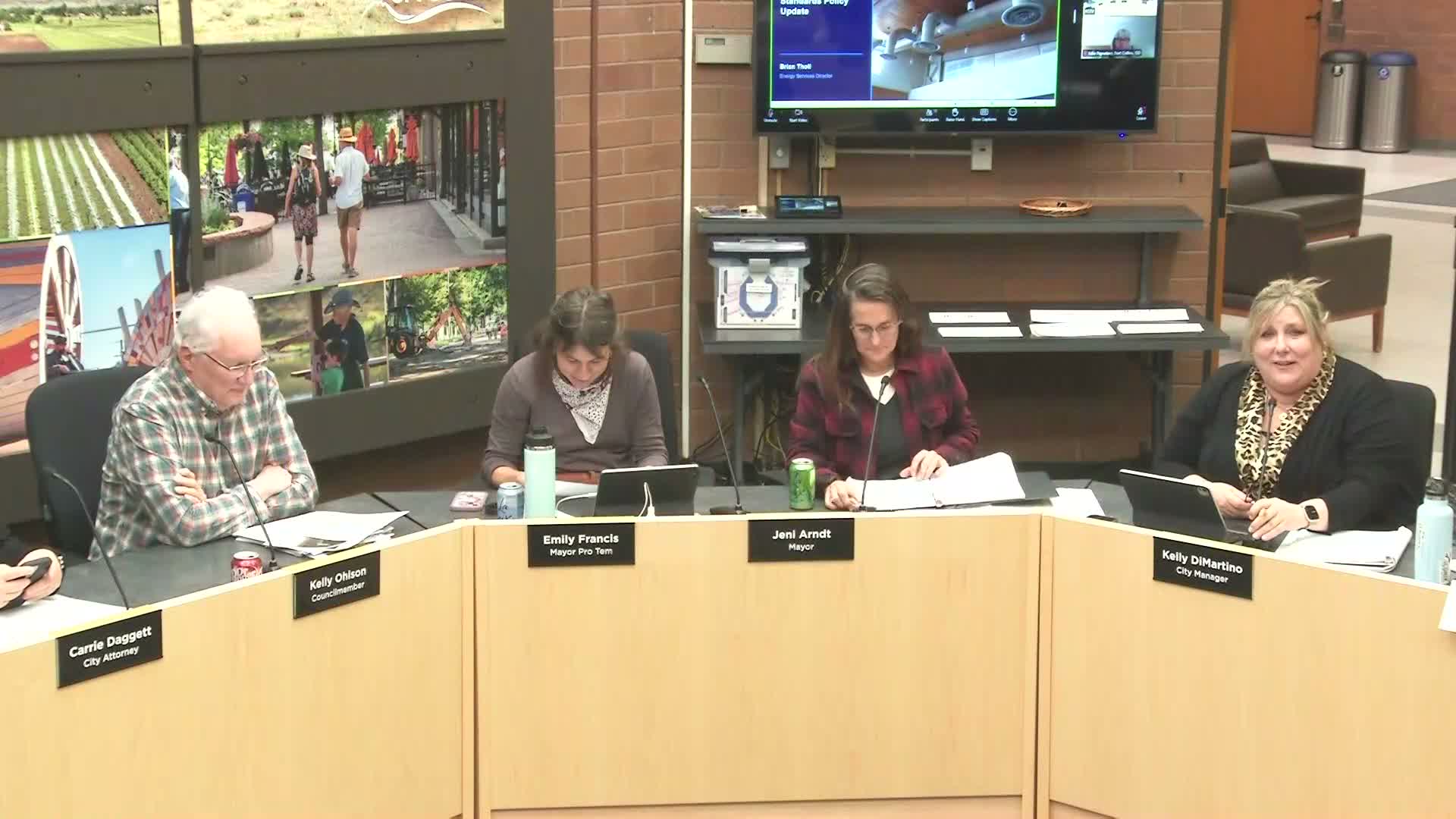
"Building performance standards are a regulatory policy that requires existing commercial and multifamily buildings to meet certain energy targets," Energy Services Director Brian Thall told council as he summarized pilot findings and compliance pathways. Staff proposed coverage of buildings 5,000 square feet and larger, with a maximum reduction cap of 15%–25% depending on building size; about one‑third of covered buildings already meet the staff‑modeled targets.
The technical pilot included on‑site assessments showing a wide range of compliance costs—from roughly $0.15 per square foot up to about $13 per square foot—depending on building type, systems and upgrade needs. Thall said some buildings could pay back investments in a short timeframe; others face higher capital needs. Staff estimated municipal building upgrades would be about $5.3 million (not necessarily entirely incremental, and potentially leveragable through operations or grants).
Council members debated whether the city should pursue a regulatory mandate, an incentive‑heavy approach, or a hybrid. Several members urged a phased approach that pairs early adopter incentives and grants with a regulatory timeline; others argued a regulatory floor is necessary because voluntary incentives historically have not achieved full market adoption. Many council members expressed concern about including multifamily housing in a mandatory program because rent increases could follow; those members suggested using incentives for multifamily while applying BPS to commercial buildings first.
Councilors also raised legal risk: staff noted Denver’s related lawsuit was dismissed then refiled and motions are pending; that uncertainty informed some council caution. Staff recommended options that include extended timelines, narrowed coverage and targeted incentives should council prefer a more gradual approach.
What’s next: staff requested direction on scope and levers; they offered to return with draft ordinance language and a menu of incentive/mitigation options for council consideration (staff said a draft for first reading could be prepared on a tight timeline if council requests it).