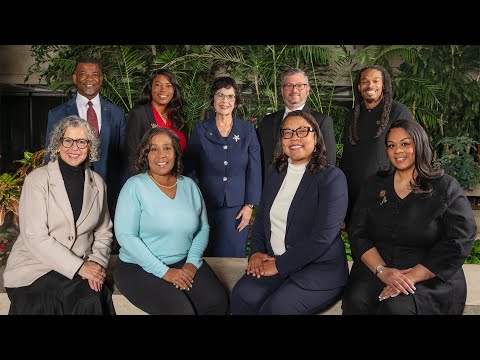
Greensboro launches GSO CAN collaborative to address violence with community partners
Loading...
Summary
City officials and public-safety leaders on Jan. 20 unveiled the Collaborative Action Network (GSO CAN), a citywide convening that aims to set shared, data-driven goals and bring residents, departments and service providers together to prevent violence and rebuild trust. The first public meeting is scheduled for early January.
Leticia McNeil, director of community safety for Greensboro, and police leaders introduced the Collaborative Action Network, or GSO CAN, on Jan. 20 as a city-led but community-rooted effort to reduce violence and strengthen trust between residents and public-safety agencies. McNeil said the initiative will convene residents, public-health experts, educators, businesses and faith leaders to ‘articulate problems’ and jointly develop solutions rather than simply holding more community meetings.
An organizer who identified herself as Ivy (facilitator) described GSO CAN’s approach as grounded in five core goals, including addressing root causes of violence, promoting equity and strengthening accountability through public updates and data. Police Chief John Thompson and other law-enforcement partners said the collaborative recognizes that ‘police can’t solve the issue alone’ and emphasized the need for partners who can address noncriminal drivers of crisis.
Council members and community participants asked whether the network would set measurable, time-bound goals; McNeil said the collaborative would set those targets with broad public participation rather than predefining them top-down. The city announced an invitation to the community and the first meeting for GSO CAN to be held at Barber Park Event Center at 4:30 p.m. (posted meeting date as announced during the session).
Organizers said accountability will include ongoing public updates and an action-tracking function to show which partners committed to specific steps and whether those steps were completed. The collaborative will also lean on data and community feedback to guide interventions, McNeil said.
The announcement follows three years of planning with partners who visited and adapted models from other cities, according to presenters. Officials characterized the launch as an opening invitation rather than a completed program: residents and organizations are encouraged to join the first session to help set priorities and measures.
Next steps: GSO CAN organizers will host the first meeting and begin a public engagement process to turn the collaborative’s stated goals into measurable outcomes and time lines.