Get Full Government Meeting Transcripts, Videos, & Alerts Forever!
Get email alerts on the Housing Towers Enforcement topic
No spam. Unsubscribe anytime.
Resident urges action on 'the towers'; city attorney outlines enforcement tools
Summary
A resident told Meriden’s Human Rights Advisory Board that downtown public housing residents are living in fear at a complex known as 'the towers.' City Attorney Emily Holland said the towers are owned by the Meriden Housing Authority but remain subject to city housing and blight codes and described enforcement steps including inspections, citations, a $100‑per‑day penalty and, in rare cases, lien and foreclosure.
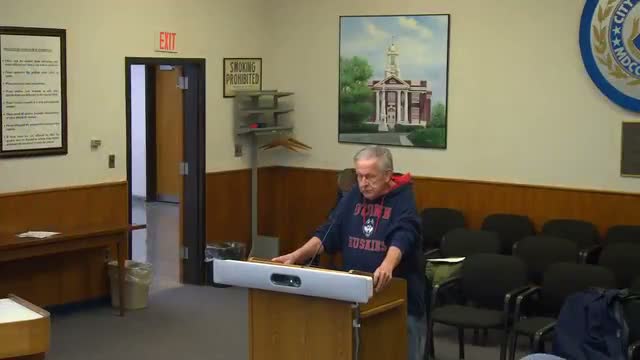
A Meriden resident, identifying himself as Dan Zabrowski, used the board’s public‑comment period to describe chronic safety and quality‑of‑life problems at a downtown housing complex he called "the towers," saying residents have faced drug use, violence and neglect.
"These towers is the most horrendous place in the city of Meriden," Zabrowski said, urging the advisory board to "get something done for these people" and to help them "live in dignity." He said police have been called to the site, that counselors and support services have been insufficient and that incidents have included a machete attack.
Board members asked the city attorney about the legal pathway for action. Emily Holland said the towers are owned by the Meriden Housing Authority, which operates HUD programs, but emphasized that housing authority properties are still subject to local housing, building and health codes. City enforcement typically starts with inspections and orders to remediate; Holland described a civil fine she cited as "$100 per day of violation," and said the city can place a lien and — in rare circumstances after repeated noncompliance — foreclose on a property to compel cleanup.
Holland said many property owners respond to initial orders and remediation plans, with only a few cases progressing to fines or foreclosure. She urged residents and the board to document complaints in the advisory board report to the city manager so the manager can route the matter to the appropriate departments (housing, public health or police) for enforcement or cleanup.
Board members also described stepped‑up cleanups and enforcement in the downtown area, but warned that resource limits mean the city must balance enforcement costs and competing priorities. The board agreed to include neighborhood concerns in its report to the city manager for follow up.