Get Full Government Meeting Transcripts, Videos, & Alerts Forever!
Get email alerts on the Budget topic
No spam. Unsubscribe anytime.
Pikes Peak Regional Building Department presents conservative, fee-neutral 2026 budget to council
Summary
Pikes Peak Regional Building Department presented a FY2026 budget that keeps fees unchanged, anticipates modest revenue shortfalls this year, and forecasts a conservative worst-case draw from fund balance while preserving staffing and a licensing rewards program.
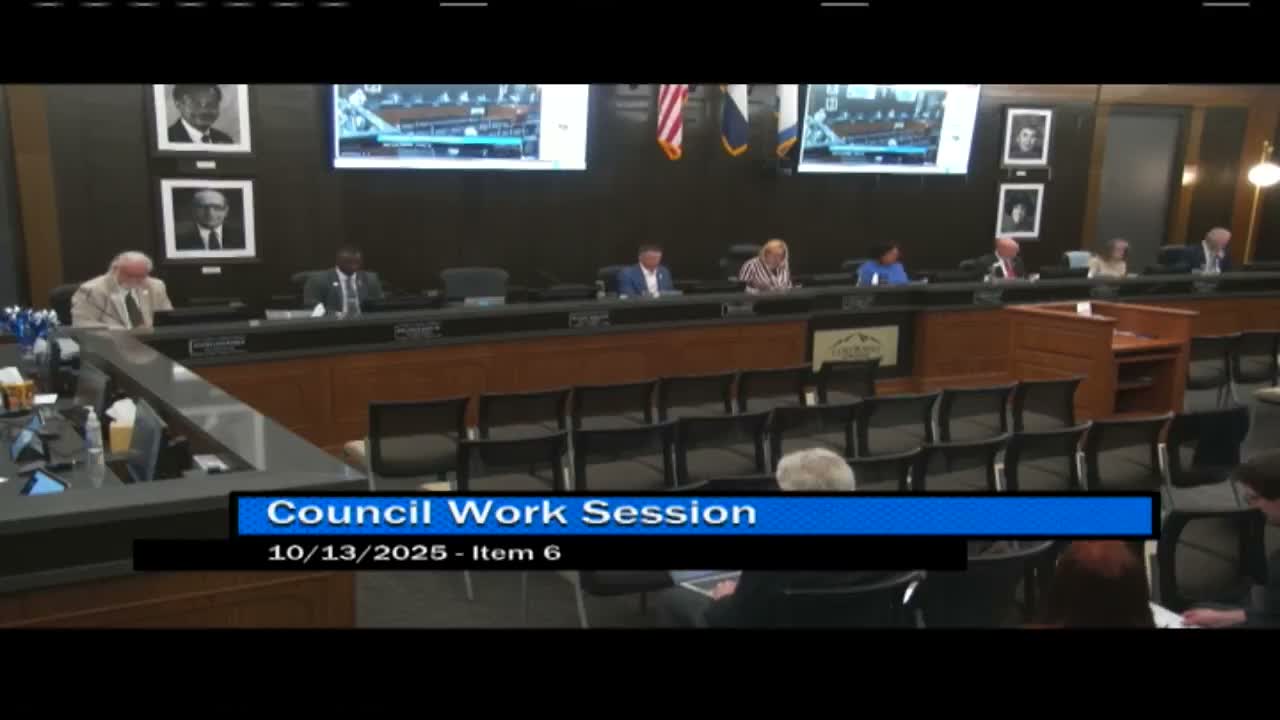
Roger Lovell, building official for the Pikes Peak Regional Building Department, presented the department’s proposed fiscal year 2026 budget to the City Council during the Oct. 13 work session.
Lovell told council the department is self-funded through permit, plan-check and licensing fees and thus the budget “does not have a direct impact on the city of Colorado Springs.” He said the department expects 2026 to “mirror 2025 in a lot of respects,” and that staff recommend no fee increases for 2026. “No fee increases,” Lovell said, adding the department continues its licensing rewards program for contractors in good standing.
The presentation included performance and workload figures through July 31, 2025: an average single-family valuation of $535,000 (a decrease of about 4.8% from 2024 but described in the presentation as roughly 36% higher than 2023), roughly 18,140 new single-family valuations cited in the slide deck, about 181,000 inspections year-to-date (a ~10% decrease from 2024), and an expectation of about 80,000 permits issued by year-end. Lovell said revenue was about 7% below budgeted expectations through July 31 but expenses were about 9% under budget, producing a small net gain for the department so far in 2025.
On fund balance and risk, Lovell described the 2026 budget as conservative: it includes a worst-case draw from the fund balance of $1,363,584 but staff currently expect to be well under that amount. The budget anticipates up to a 28% increase in medical-benefit costs in a worst-case scenario; Lovell said current negotiation results suggest an 11–12% increase is more likely and staff are working to reduce that.
Council members pressed on staffing and efficiency. Lovell said the 2025 budget included 137 full-time positions; actual staffing at the time of the presentation was about 126 FTEs, and the department manages vacancies by analyzing workloads before refilling positions. He also emphasized digital improvements and performance metrics: about 97% of inspection requests were made online and roughly 80% of plans are submitted online, enabling faster, concurrent reviews.
Council members commended quick permit turnaround times, with one member noting PPRBD’s plan-review timelines compare favorably to other jurisdictions that take months to complete similar work. The council indicated general support for placing the department’s budget item on the Oct. 28 consent agenda for final approval.
What’s next: The resolution approving the 2025 budget for Pikes Peak Regional Building Department will appear on the Oct. 28 regular council meeting consent agenda for final action.