Graham County approves rezoning of Monteith Lane parcel despite neighbor concerns over historic alley easement
Loading...
Summary
After a public hearing, the board rezoned parcel 943-25 (1736 S. Monteith Lane) from general land use to Commercial General (CCG). The applicant described limited intended use for training and storage; nearby resident Lashana Coleman said a historical alley easement and potential traffic and noise make commercial zoning inappropriate. The board approved the rezoning without formal stipulations.
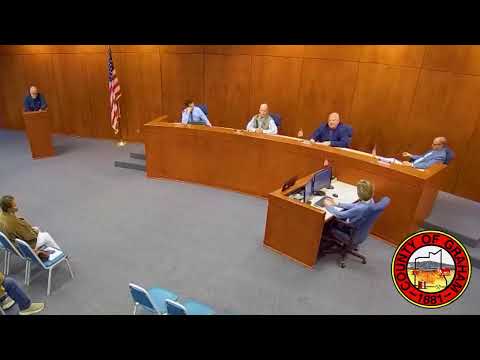
Graham County supervisors voted to rezone a parcel on Monteith Lane from general land use to Commercial General after a contested public hearing that drew testimony from the applicant and a long-time neighborhood resident.
Bloomfield Companies owner Dallas Davis said the parcel at 1736 S. Monteith Lane previously operated under a now-expired special permit (a Frito‑Lay storage use) and that his company intends mainly to use a small building there for occasional training and overflow storage. "We have not used this building much in the past," Davis said, and estimated training sessions would typically involve 10 to 20 people rather than daily large-scale operations.
Neighbor Lashana Coleman, who said she has lived in the neighborhood since childhood, urged the board to reject rezoning or impose strict conditions. Coleman described the alleyway easement as historically "open, hostile, and notorious" for neighborhood access and said it has been used by city maintenance vehicles and residents; she warned that commercial zoning could "dictate the character of a residential neighborhood" and raised safety concerns about vehicles backing on a dead-end easement.
County staff and the applicant disputed the presence of a recorded north–south easement across the parcel. Planning and engineering staff said the recorded subdivision plat does not include the subject parcel and that their records did not show an easement crossing the property; Davis said historical documents show east/west alley or access easements in older records but that recent title research did not identify a north/south crossing.
Board members discussed possible stipulations — including visual screening on east and west fences and a quiet-hours period — but one supervisor said the neighbor's objections made those stipulations difficult to support. After closing the public hearing, a supervisor moved to rezone the parcel to Commercial General and the board approved the motion by voice vote.
The board did not adopt binding stipulations at the time of the vote; county staff noted that further title or easement research could alter access options and that any legal easement determined to exist would be resolved through land‑title procedures or a separate action.
Next steps: planning staff will record the rezoning and notify the applicant and neighbors; staff indicated additional legal or title review may follow if the easement remains contested.