Bill to Lower CCA Threshold to 500 Tons Draws Strong Opposition from Small Fuel Distributors
Loading...
Summary
HB 22-15 would lower the Climate Commitment Act reporting and compliance thresholds for gasoline, diesel, biodiesel and propane suppliers to 500 metric tons CO2e, a change industry groups say would sweep small, family-owned distributors into a complex cap-and-trade system and raise costs for consumers.
House Bill 22-15 would lower reporting and Climate Commitment Act (CCA) compliance thresholds for suppliers of gasoline, diesel, biodiesel, and propane to 500 metric tons of carbon dioxide equivalent annually, or a lower figure set by the Department of Ecology by rule. Staff told the committee this change would bring many new entities into the program, possibly including small local distributors that historically have not been covered by the CCA.
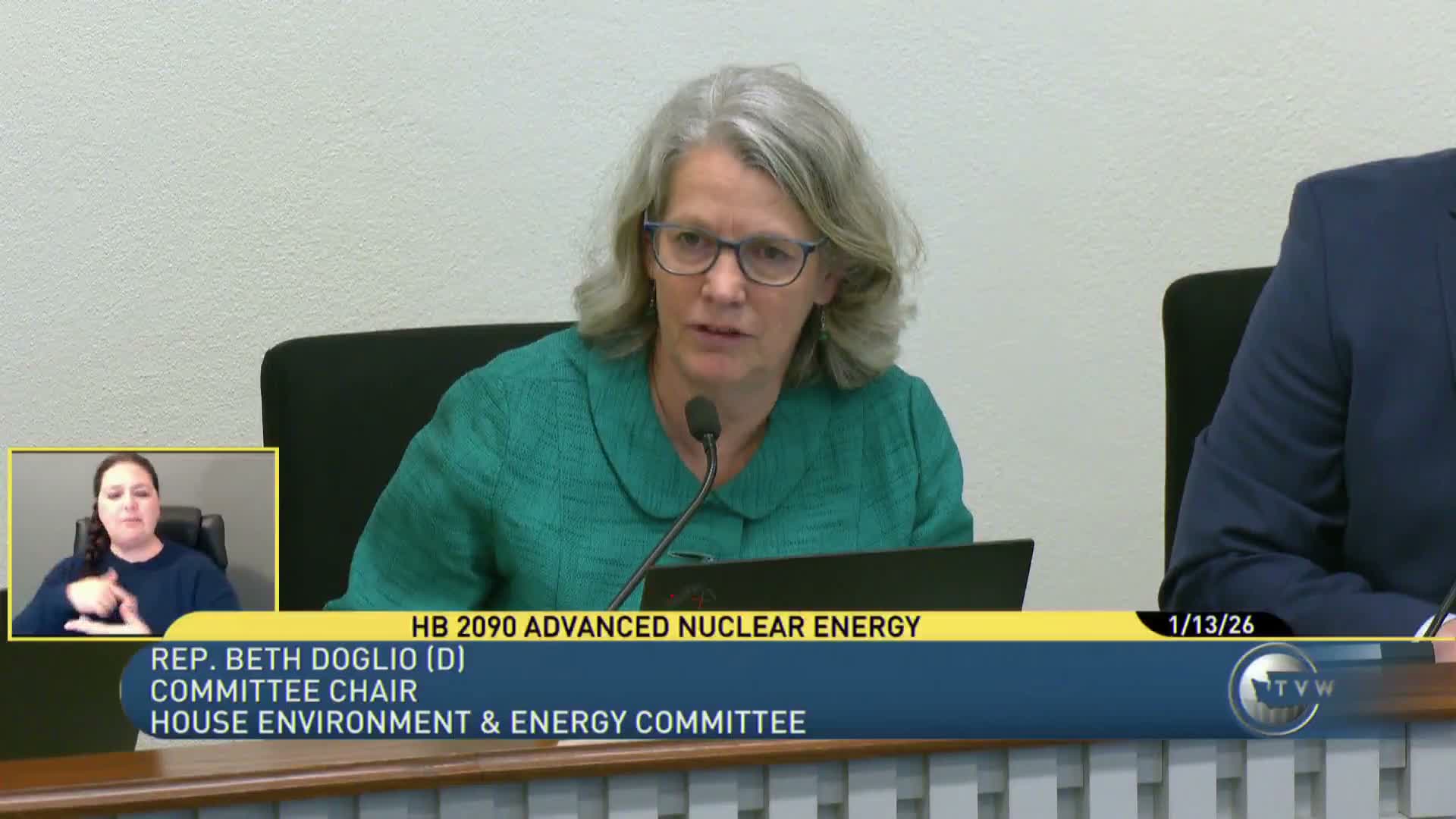
Majority Leader Joe Fitzgibbon framed the bill as a fairness and anti‑gaming measure intended to prevent new small LLCs and importers from circumventing the law. He said there have been dozens of new fuel distributors entering the state market since the program’s implementation and described the change as aimed at stopping market participants from creating multiple entities to stay under thresholds.
Industry groups and many small fuel distributors strongly opposed the bill at the hearing. Testimony from the Washington Oil Marketers Association, Pacific Propane Gas Association, Western States Petroleum Association, Association of Washington Business, independent distributors, and regional food-industry representatives emphasized that lowering the threshold from 25,000 to 500 metric tons would impose significant compliance costs — emissions tracking, third-party verification, allowance purchasing and exposure to carbon-market price volatility — on businesses that were never intended to be regulated under the CCA. Several speakers urged targeted enforcement or other approaches that identify bad actors rather than broad coverage of small, family-owned firms.
Department of Ecology testifiers supported addressing loopholes but cautioned against shifting the point of regulation to fuel purchasers (which the staff recommended removing) and flagged potential administrative complexity and fiscal impacts, estimating roughly 50 additional entities might be brought into the program under a lower threshold. Ecology and others recommended technical fixes and directed rulemaking to avoid double counting and program instability.
The committee heard requests for fiscal analysis and impacts to allowance allocation but did not take formal action during the hearing.