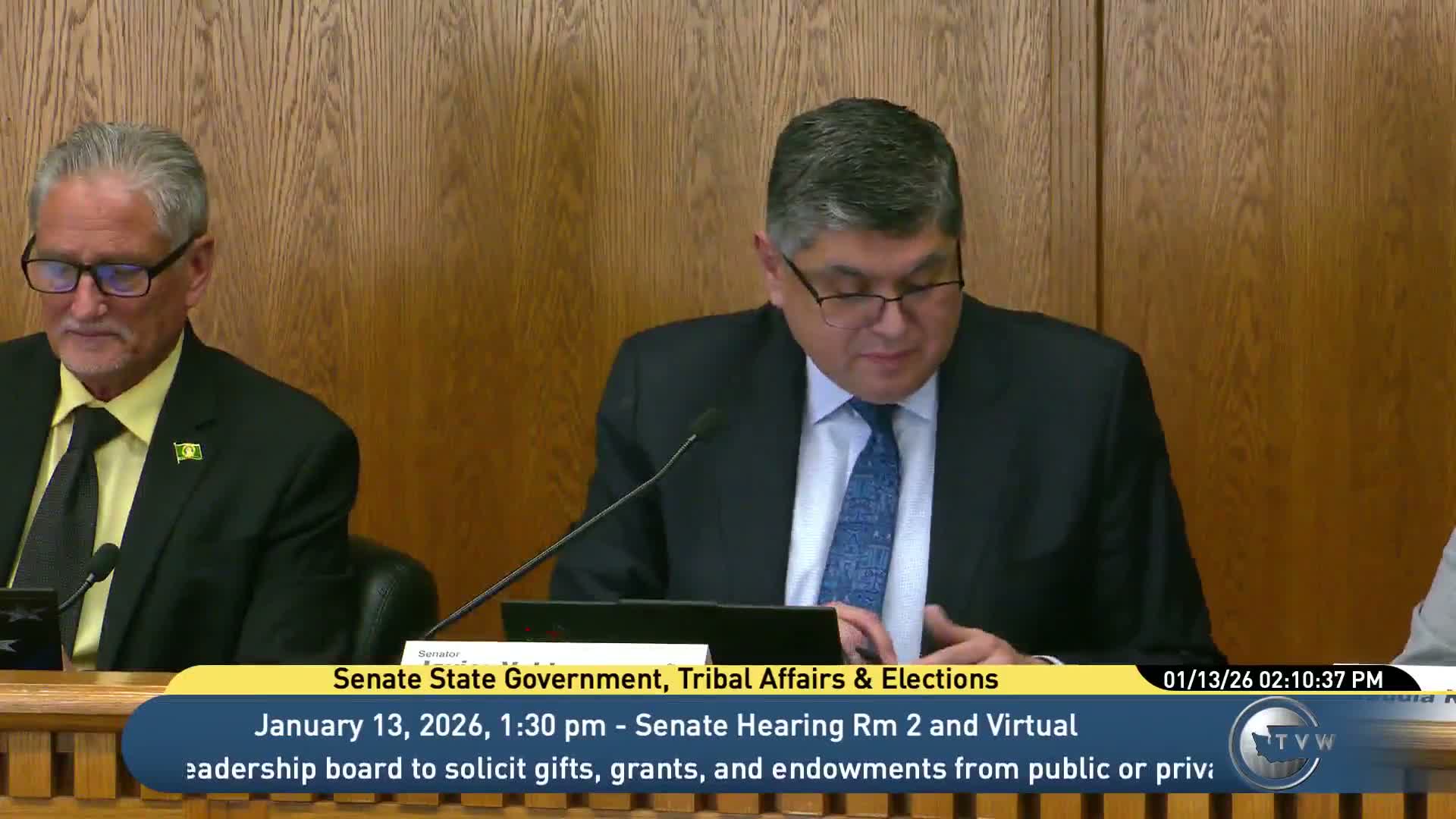
Lawmakers hear calls to preserve Lakeland Village historical records after family testimony of sterilization
Loading...
Summary
Senate Bill 5863 would bar destruction of documents and artifacts identified in a preservation plan for Lakeland Village until fiscal 2030 and open restricted records after 75 years; multiple witnesses, including family members who found sterilization and parole records in archives, urged the committee to preserve the materials as a matter of historical accountability and dignity.
Senate Bill 5863, presented to the committee, would protect historical records and artifacts from Lakeland Village by prohibiting destruction of materials identified in a preservation plan at least until fiscal year 2030 and by authorizing inspection of transferred restricted records after 75 years.
Committee staff explained the bill builds on prior work directed in 2024, directing the state archives to organize, catalog and store documents and artifacts discovered at the Lakeland institution. Sponsor Senator Claudia Kauffman described the measure as an act of stewardship and respect: "These individuals who lived at Lakeland Village were Washingtonians with intellectual and developmental disabilities. These lives mattered then and they matter now," she said, urging preservation to enable historical and educational access while protecting privacy and confidentiality.
Public testimony included Stacy Dim of The Arc of Washington State, who supported the bill and said prior legislation (SB 6125) produced reports with recommendations and created a moratorium on destroying the materials. Leslie Whiting recounted locating records for her great aunt Grace that documented parole, correspondence and a sterilization dated 10/28/1936; Whiting called the records "priceless" for reconstructing forgotten lives. Jessica Renner and Erin Bowman Oath described similar family discoveries and urged the state to preserve records so the voices of institutional residents are not erased.
Witnesses emphasized that the records are essential both for families seeking closure and for public accountability about past treatment of people with disabilities. The bill drew substantial public support in sign‑ins. The committee did not vote at the hearing; staff and sponsor said the measure will proceed to the executive calendar and that implementation will involve state archives and other agencies to develop preservation plans and access protocols.