
Committee hears LC 182: lawmakers weigh requiring insurers to account for wildfire mitigation
Get AI-powered insights, summaries, and transcripts
Subscribe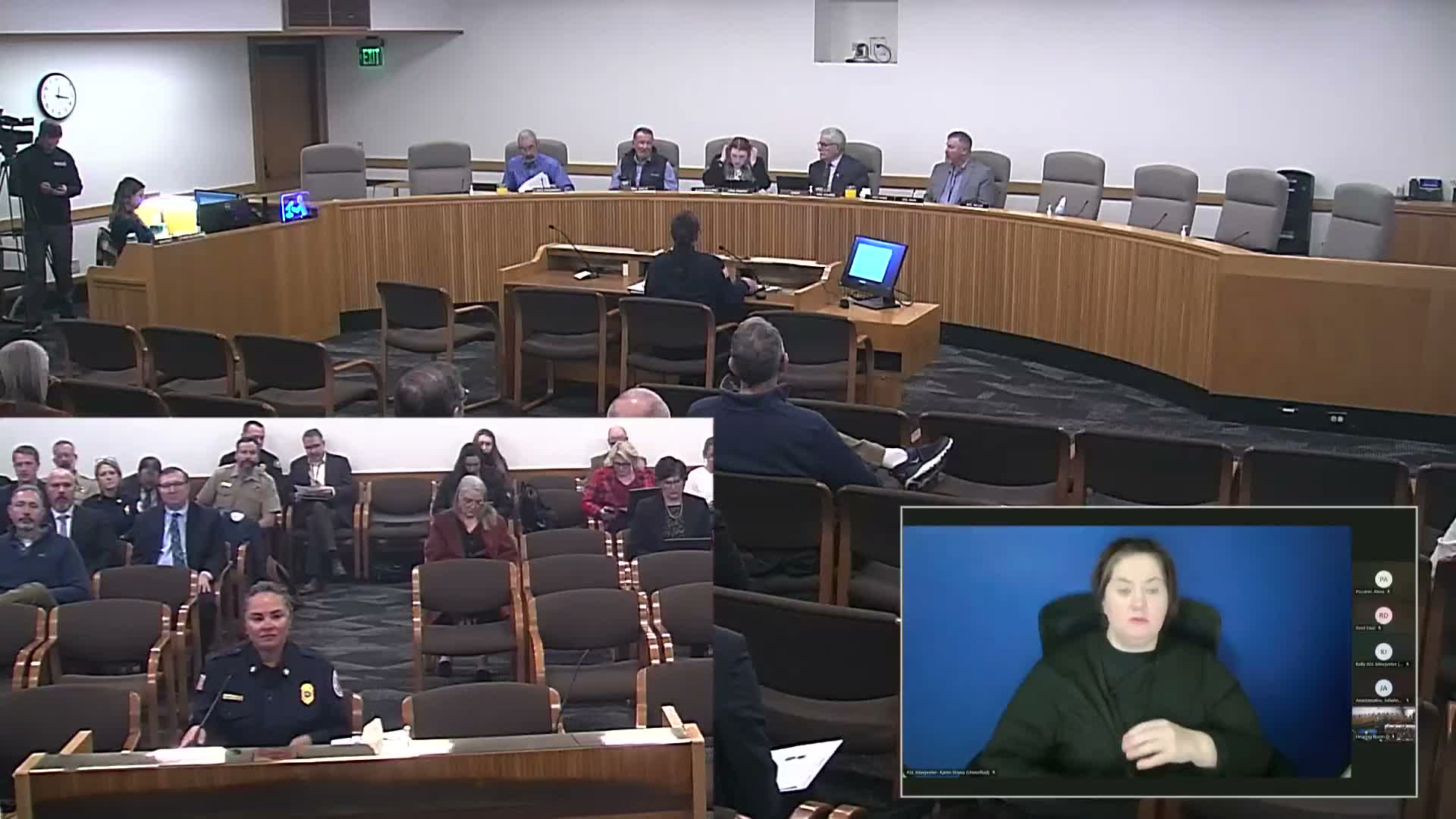
Summary
An informational hearing on LC 182 examined a bill that would require insurers who use catastrophe/wildfire models to submit those models for regulatory review and to account for property‑ and community‑level mitigation or provide corresponding discounts; industry and consumer witnesses urged more data and careful design.
The Senate interim committee held an informational hearing on LC 182 on Jan. 14, a legislative concept that would require insurers using catastrophe or wildfire risk models to submit those models to the Director of the Department of Consumer and Business Services (DCBS) for review, to account for property‑ and community‑level mitigation in underwriting and rating, and to disclose risk classifications, mitigation opportunities, and appeal rights to applicants and policyholders.
Dave Jones, director of the Climate Risk Initiative at UC Berkeley Law and former California insurance commissioner, said the bill aims to ensure models and underwriting reflect empirically proven mitigation—home hardening, defensible space, and community fuel reduction—and cited Colorado’s 2025 law as a precedent. He said LC 182 would either require models to incorporate mitigation or guarantee policyholders discounts where mitigation reduces risk.
TK Keen, DCBS administrator and insurance commissioner, explained the agency’s role as solvency and rate reviewer and said implementing LC 182 would require “taking more of a look under the hood” of insurer data models and ongoing actuarial review as models evolve; Keen emphasized the need for credible mitigation data to support rate impacts. Verisk vice president Juliana Anastasatos described vendor tools (a catastrophe model and the FireLine address‑level score) that can reflect mitigation when insurers provide parcel‑level inputs.
Industry and consumer groups differed on timing and specifics. Kenton Bridal (Northwest Insurance Council) urged caution: he called for verified, repeatable mitigation measures and warned that prescriptive discount mandates could impose costs on insurers that would ultimately affect consumers. Chris Coughlin (Oregon Consumer Justice) stressed the consumer context—noting an increase in homeowners premiums nationally and in Oregon—and supported notice and appeals provisions. The Wildfire Program Advisory Council recommended data‑driven consumer protections, pilot projects, and preserving market competitiveness while expanding transparency.
Committee members pressed witnesses on how long actuarial work would take, how discounts would be validated, and whether model filings and review would create regulatory burdens. Witnesses generally said meaningful actuarial evidence for large‑scale discounts will take time—several years of data collection and pilot outcomes—but that the bill could begin transparency and appeals measures now while pilots and model refinement proceed.
Next steps: LC 182 will return for markup; committee members asked agencies and stakeholders to provide additional technical detail on model review processes, the proposed appeals mechanism, and pilot designs that would yield actuarial evidence for mitigation credits.