House committee introduces three behavioral health legislative concepts after informational hearings
Loading...
Summary
The House Interim Committee on Behavioral Health voted to introduce three committee bills—LC 181, LC 202 and LC 229—after informational hearings addressing a technical age alignment, broad statutory updates to reduce administrative burden, and workplace safety plans for behavioral health employees.
The House Interim Committee on Behavioral Health voted to introduce three committee bills after a series of informational hearings on Jan. 14.
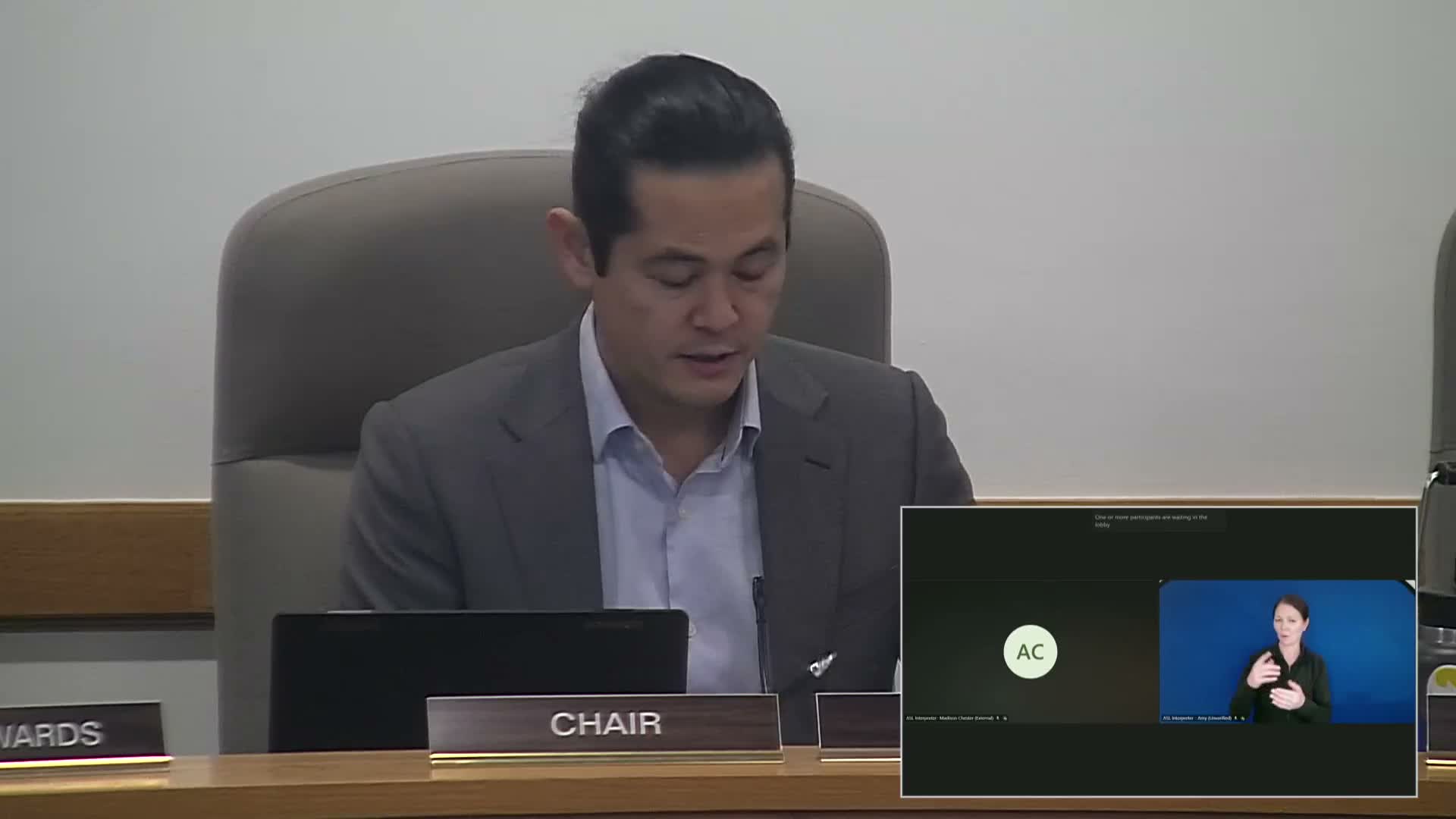
Chair Pham said the measures reflect work done by state agencies and stakeholder groups and opened discussion on LC 181, LC 202 and LC 229 before the committee approved a motion to introduce the measures as committee bills. Vice Chair Rob Edwards moved the motion; a roll-call vote recorded one nay and the motion passed.
LC 181: Oregon Health Authority staff described LC 181 as a narrow technical change to House Bill 2015 intended “to align practice with statute.” Jill Archer, policy director and chief of staff with OHA’s Behavioral Health Division, said the proposal adjusts age language in the licensing process for residential treatment homes serving transition-age youth so statute matches existing contracts and practice.
LC 202: Stakeholder panels and providers previewed LC 202 as a broader package to update antiquated statutory language across the behavioral health system and reduce administrative burden. Cheryl Ramirez of the Association of Oregon Community Mental Health Programs said the proposal includes modernizing terminology, clarifying that some funds are legislatively appropriated, and enabling the nine federally recognized tribes in Oregon to establish and operate community mental health programs and community developmental disabilities programs. Ramirez and other panelists said Section 1 (payment responsibility for psychiatric hospitalization under civil commitment statutes) remains under negotiation among hospitals, OHA and providers.
LC 229: Brooke Hill of Oregon AFSCME presented LC 229, which would require behavioral health employers to create tailored workplace safety plans that are specific to physical sites and accessible to employees. Hill and other presenters noted many providers already have plans but cautioned implementation will create costs for employers and that resources will be needed for effective rollout.
Motion and vote: Vice Chair Rob Edwards moved that LC 181, LC 202 and LC 229 be introduced as committee bills. The motion passed on a roll-call vote: Representative Hartwig — No; Representatives Visigore, Mannix, Nuss, Javidy, Vice Chair Edwards and Chair Pham — Yes; Representative Balderrama recorded "Aye."