
Food banks, Lions and Boys & Girls Clubs describe emergency hub roles and gaps
Get AI-powered insights, summaries, and transcripts
Subscribe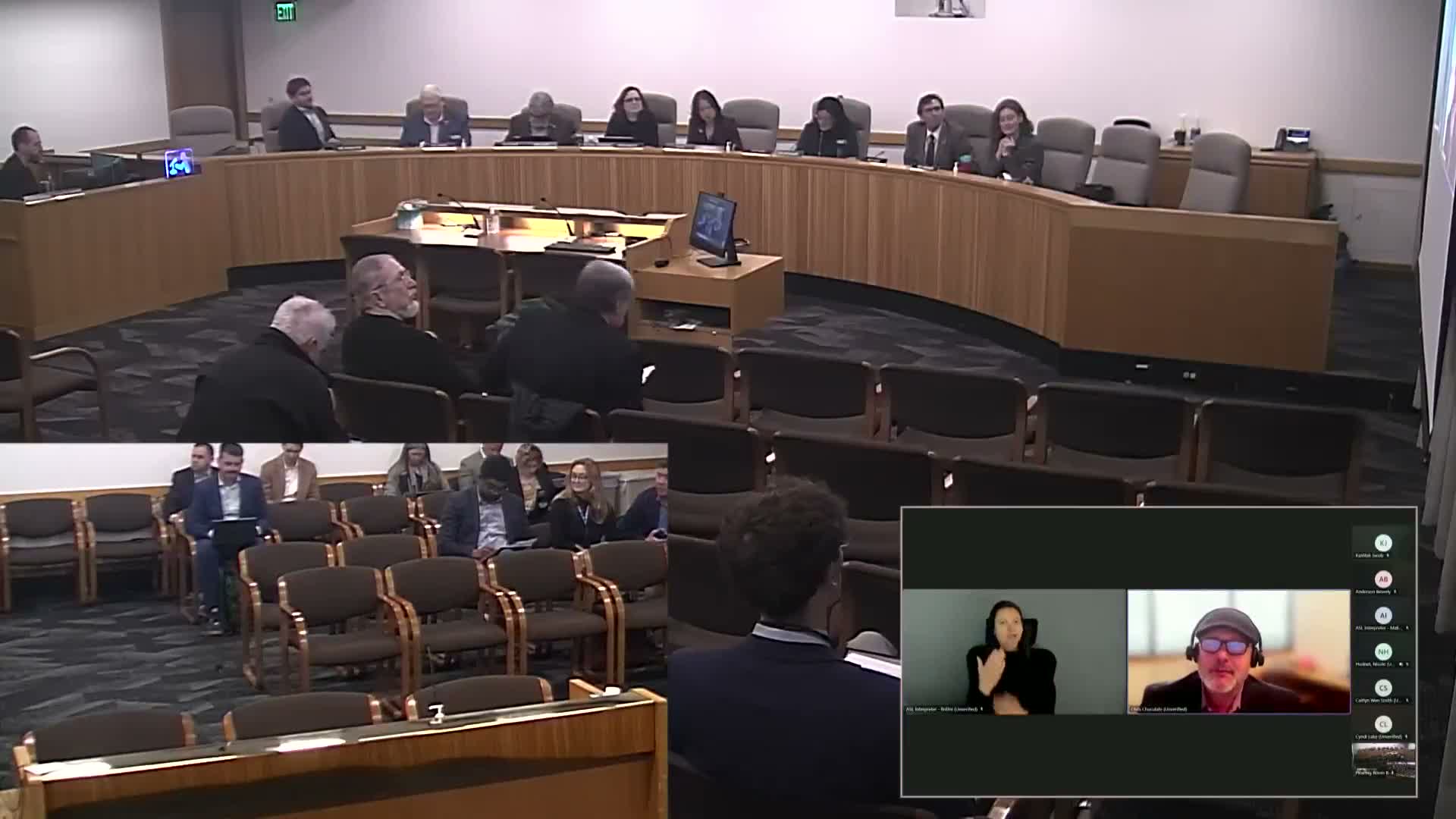
Summary
Representatives from Oregon Food Bank, Lions Clubs and Boys & Girls Clubs told the committee they serve as community lifelines—running relief plans, satellite warehouses, volunteer kits and club sites that can function as shelters—while highlighting logistics, fuel, staffing and structural vulnerabilities that need planning and funding.
Speakers from three statewide networks described how nonprofit and volunteer organizations slot into Oregon’s disaster response architecture and where they see operational vulnerabilities.
Chris Chuklet, associate director of distribution and warehousing at the Oregon Food Bank, said the network maintains written disaster relief plans at major branches, a quarterly disaster response meeting cadence and an incident command approach tied into state emergency management. He noted practical constraints: many branches rely on road transport and could be “islanded” if roads and bridges fail, the main Portland facility sits in a liquefaction zone and the organization stores about 14,000 gallons of diesel for backup power and fleet needs. Chuklet said the Food Bank has MOUs for cellular‑on‑wheels and can lean on USDA, Feeding America and national warehouses to re‑supply when local distribution is disrupted.
Representatives of Oregon Lions Clubs described a volunteer hub model that pre‑stocks emergency kits and Connex dry‑box hubs. Jim Marglosso said district volunteers assemble and transport roughly 300 emergency kits and that some hubs (Silverton High School, Cresswell Airport) hold 40‑foot containers with generators, communications gear and food and water for 150 people for several days; funding came from Lions International and foundations.
Terry Johnson and Minh Lu of Boys & Girls Clubs of Portland Metro explained how club sites have been repurposed in past emergencies (vaccination clinics during the pandemic, meal distribution, internet access) and argued clubs with physical sites can be part of an emergency safety net for families and children. They said about 750 youth use programs daily in the metro clubs and that the organization is expanding capacity and partnerships, including past cooperation with T‑Mobile for rapid mobile connectivity.
All presenters stressed the need to plan for staff availability, staff family safety, alternative communications and fuel constraints, and recommended continued tabletop exercises, regional satellite warehousing plans and stronger cross‑sector exercise participation.
No formal committee action was taken; the session was informational.