Providers warn skyrocketing childcare insurance premiums are forcing closures in parts of Oregon
Loading...
Summary
Childcare providers and Department of Administrative Services officials told a Senate panel that premiums — especially for abuse/molestation coverages — have surged, leaving small and rural licensed providers unable to secure affordable coverage; one provider reported premiums rising to $149,503 in 2025 from roughly $22,912 several years earlier.
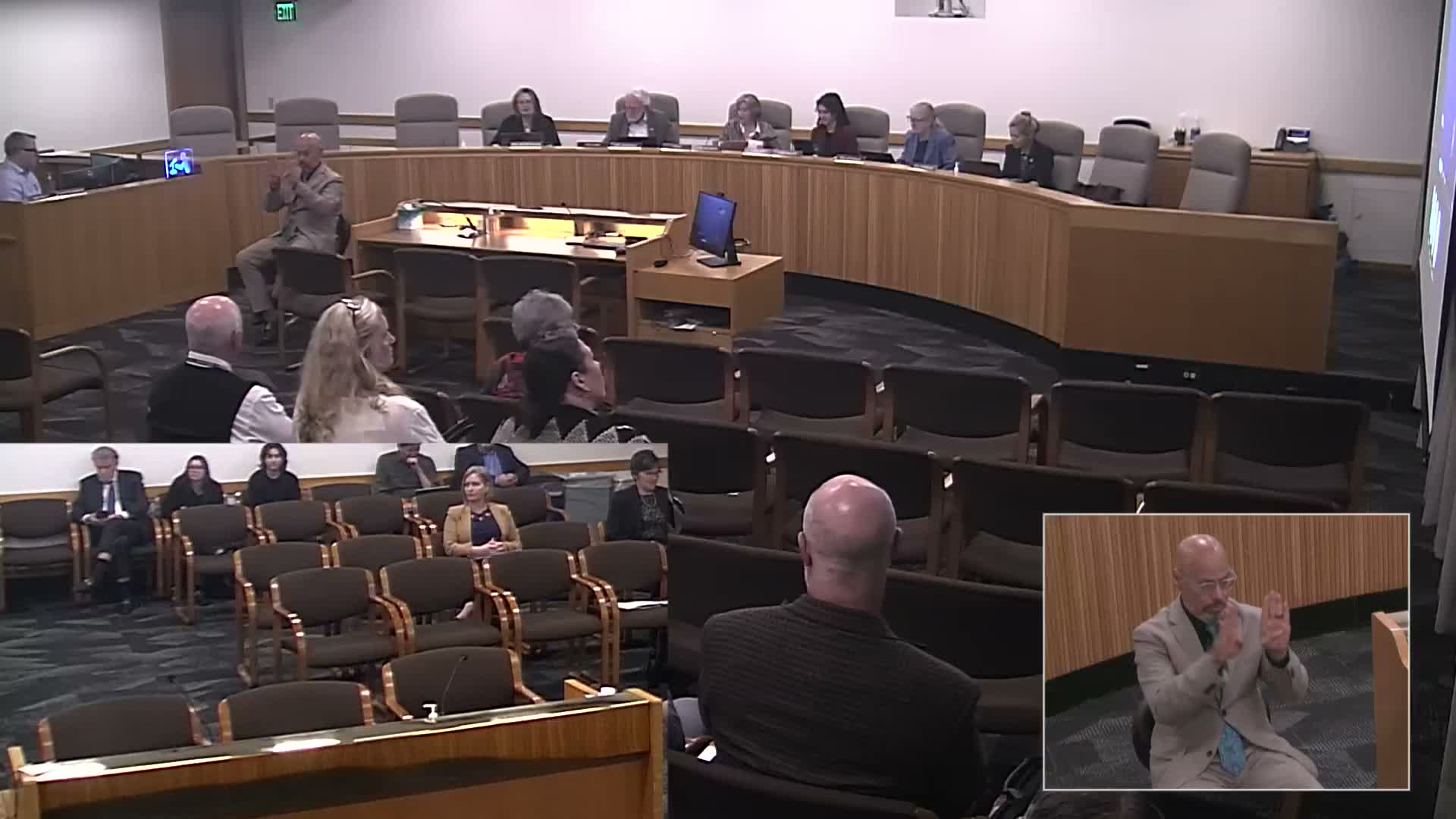
Childcare providers and state risk managers told the Senate Interim Committee on Early Childhood and Behavioral Health that rapidly rising liability premiums are threatening the financial viability of licensed child‑serving organizations, especially in rural areas.
Bonnie Robbins and Todd Scharf of the Department of Administrative Services (DAS) explained that contract/grant recipients commonly need workers’ compensation, commercial general liability, auto liability and abuse/molestation (sometimes called sexual‑misconduct) coverage. Scharf said abuse/molestation and wrongful‑acts coverage is driving much of the recent premium inflation and that the product is often not available off‑the‑shelf, with insurers offering differing definitions and limits.
Janet Hamada, executive director of Next Door, Inc., told the committee that Next Door’s required package of coverages cost about $22,912 three years ago but climbed to over $56,000 in 2024 and to $149,503 in 2025 — a roughly 163% increase over the prior year and about a 553% increase over two years — forcing the organization to purchase policies from multiple carriers. Hamada said Next Door has strong licensing, inspection and risk‑management practices and almost no claims in 54 years of service, and she asked the Legislature to explore policy options.
Alexia Nies, a small licensed childcare provider in La Grande, said insurers sometimes decline to renew coverage or decline to quote in rural markets, and that inability to secure affordable coverage forces programs to close even when safety inspections and protocols are in place. Committee members discussed options including pooled association purchasing, outreach to insurers to explain licensing safeguards, and potential legislative study to identify state options to spread or reduce risk.
DAS staff offered a risk‑assessment toolkit and contract language templates to standardize requirements for state grants and suggested associations can spread risk and provide loss‑control services. No committee action was taken; members sought further information on the marketplace and options to reduce premiums for small providers.