Governor's Talent Council-backed LC 216 aims to centralize credentialing and ease paperwork for behavioral health workers
Loading...
Summary
LC 216, presented by a governor's adviser and supported by provider testimony, would centralize credentialing at OHA, consolidate some licensing boards, codify administrative-burden reduction and expand cross‑license clinical supervision to improve recruitment and retention.
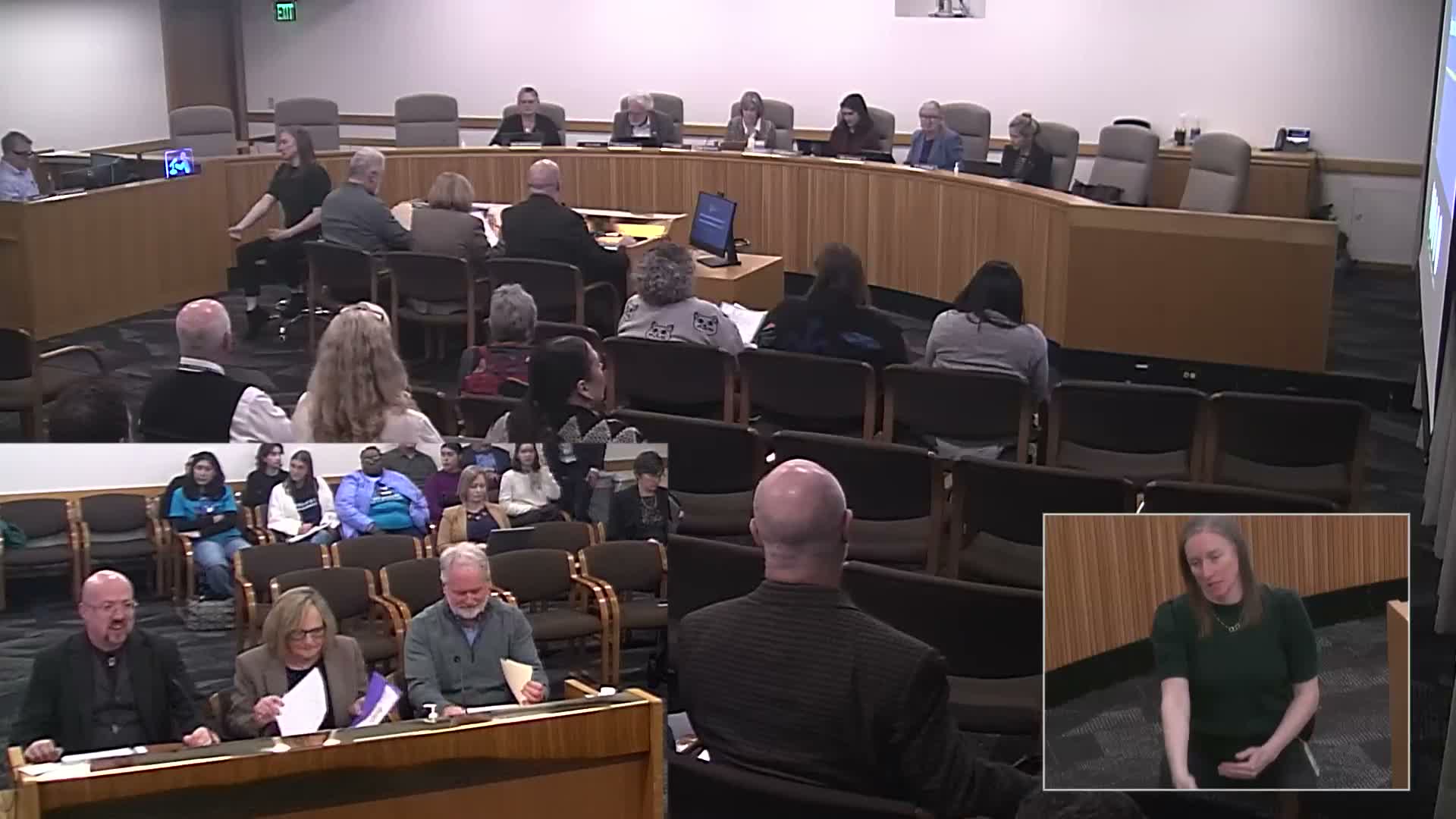
Casey Liddell, senior behavioral health policy adviser in the governor’s office, described LC 216 to the Senate committee as a package of four changes intended to reduce administrative burdens for behavioral health workers and expand supervision capacity.
Liddell said the concept would require the Oregon Health Authority to adopt a centralized credentialing process and obligate coordinated care organizations (CCOs) to accept that credentialing rather than running duplicative processes. The concept would also make reduction of administrative burden an explicit part of OHA’s mission, consolidate the Board of Licensed Social Workers with the mental health regulatory agency, and permit cross‑license clinical supervision so master’s‑level licensees could obtain supervision from any appropriately qualified supervisor rather than only those with the same license type.
Provider witnesses testified in support. Julie Ibrahim, CEO of New Narrative and vice chair of the Behavioral Health Talent Council, described how intake paperwork — ‘‘18 pages of different consent forms, . . . a ROADS data form, 5 behavior and health screens, a full mental health assessment’’ — can overwhelm clients and clinicians and contribute to burnout. Rick Trelevin, a community mental health director from Crook and Jefferson counties, told the committee that credentialing with up to 16 CCOs can take three months and leave new hires unpaid during that period.
Liddell said the council’s full report will be published at the end of the month and that LC 216 is intended to be an initial, immediately actionable step ahead of further recommendations. Committee members asked whether the concept would carry a fiscal impact; Liddell said the administration’s intent is to minimize or avoid a fiscal note where possible.