Committee hears micro‑mobility proposal to define devices, set age and safety rules
Loading...
Summary
A proposed micro‑mobility omnibus provision would define powered micro‑mobility devices (including unicycles and skateboards), lower age thresholds for low‑speed e‑bikes, standardize helmet rules for under‑16 riders, and create penalties for improperly marketed high‑speed vehicles ("eMotos").
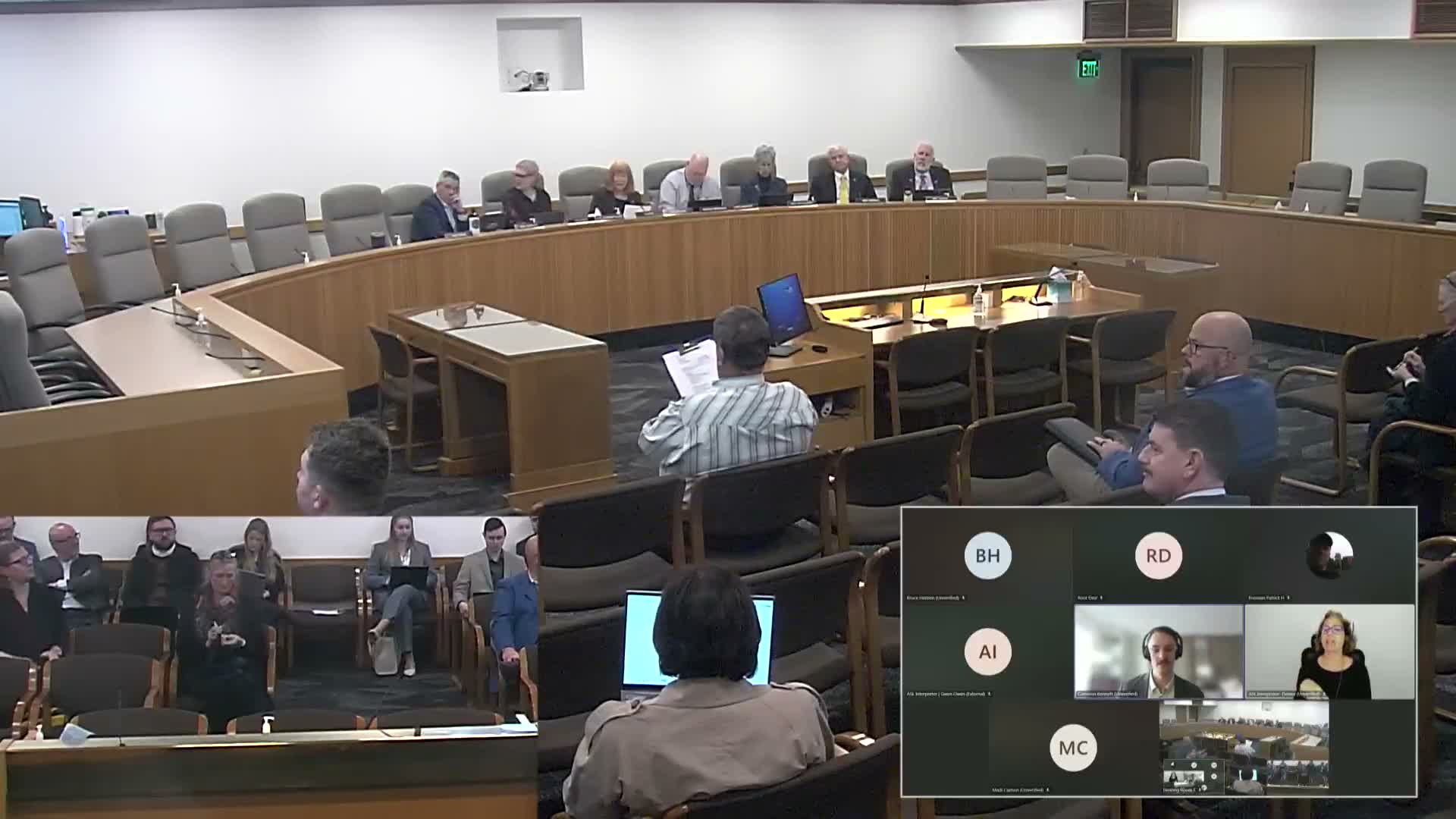
Representatives and stakeholders heard a presentation on the micro‑mobility portion of LC 255, a transportation omnibus concept. Cameron Bennett, representing the Oregon Micro Mobility Network, said the draft creates a statutory definition for powered micro‑mobility devices to capture new device types (for example, electric unicycles and skateboards), aligns helmet rules for riders under 16, lowers permitted ages for certain low‑speed e‑bikes so high‑schoolers can use them before obtaining a driver’s license, and creates offenses for selling vehicles marketed as ebikes that exceed ebike class speed thresholds.
Bennett described the problem of anonymized high‑speed devices—what he called the "eMoto problem"—that can be deceptively marketed as ebikes but travel faster than the statutory maximum for electric‑assist bicycles. The bill would prohibit selling a device as an ebike if it can exceed the legal speed threshold and would require devices sold in Oregon to meet known battery safety standards.
Maddie Carlson of The Street Trust described the equity and programmatic case: Ride to Own, a low‑income e‑bike ownership program, has distributed 115 e‑bikes across pilot cohorts and recorded thousands of trips; she argued allowing access to younger riders would let schools and educators provide supervised safety training. Committee members asked for visual classification materials; Bennett said ODOT has an existing cheat sheet of device categories and offered it to committee staff.
No committee vote was taken; staff said the LC and any amendments will be posted on OLIS for member review and amendment.