House committee hears plan to let Mid Columbia Water Commission operate a district to better coordinate river-based irrigation
Loading...
Summary
Presenters told the House natural resources committee that LC 244 would expand existing statutes so an intergovernmental commission can manage conveyance and move certified mitigation water within a 51-mile stretch of the Columbia without changing overall volumes or mitigation obligations.
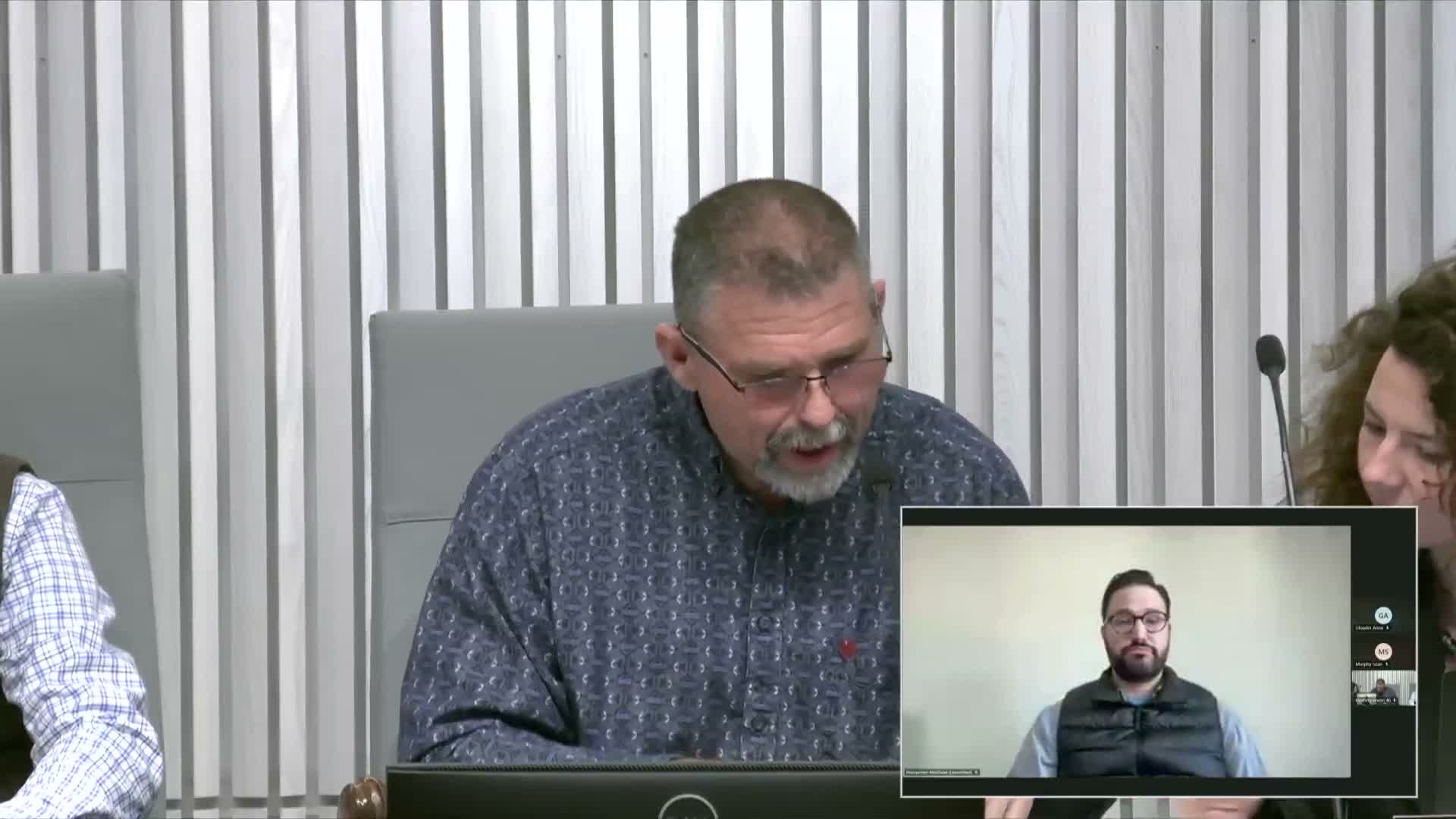
The Oregon House Committee on Agriculture, Land Use, Natural Resources and Water heard an informational presentation on LC 244 on Jan. 9, a legislative concept that would allow the Mid Columbia Water Commission to function as a modernized district for regional Columbia River-based irrigation.
JR Cook, director of the Northeast Oregon Water Association, told the committee the proposal grew from two decades of basin work and roughly $300 million of local infrastructure investment. "It's a pretty complex basin," Cook said, describing a roughly 350,000-acre irrigated area that supports high-value crops and generates substantial economic activity. He said the concept would memorialize governance and enable coordinated management of a system that already uses telemetered flow meters.
David Fillippi, counsel for Stoll Reeves, summarized three statutory changes behind LC 244. First, he said the bill would expand an existing conveyance provision (described in the hearing as ORS 54270) so that intergovernmental organizations—not only irrigation districts—could manage conveyance from point of diversion through places of use while the Water Resources Department continues to regulate diversion rates and seasons. Second, Fillippi said the concept would allow flexibility to move points of diversion within a 51-mile stretch of the Columbia River for certificated rights without a formal transfer in every case, while preserving the same rates, mitigation requirements and seasons of use. "It doesn't change the rate," he said. "The water rights have to be used for irrigation."
Third, the concept would create a one-time mapping reset mechanism similar to provisions in existing statute (described in the hearing around ORS 5401325) to establish district boundaries and authorized places of use so future permit amendments can relate back to that mapping.
Presenters emphasized the proposal does not increase total authorized volume or pumping rate. During questioning, Fillippi confirmed that mitigated water-right permits require replacement "bucket for bucket, time and place," and that the Water Resources Department would continue to regulate river diversions while the local district manages how water is conveyed and distributed within its boundary.
Cook described monitoring and efficiency results from participating projects: average applied water per acre in main improvement districts runs about 1.9–2.2 acre-feet per acre compared with typical duties around 3.5 acre-feet. He also noted telemetry uplinks give the department real-time access so water masters can monitor flows remotely.
Members raised tribal and settlement questions; Cook said the presenters had tried to remain consistent with the 2050 basin plan and could not speak for tribal positions. Reed questions about which rights would participate and how certificated pre-division rights would fit were met with assurances that existing terms and conditions of each water right would be preserved.
The committee closed the informational hearing; the bill will follow the committee process (public hearing and work session) if formally introduced.
Next steps: the bill authors will submit LC wording and the committee will schedule future hearings and work sessions as part of the 2026 legislative process.