Get Full Government Meeting Transcripts, Videos, & Alerts Forever!
Get email alerts on the Cannabis Policy topic
No spam. Unsubscribe anytime.
Cannabis omnibus bill proposed to align hemp and marijuana rules, tighten enforcement and protect grant funding
Summary
Rob Ovett presented a 12‑item cannabis omnibus (LC 6) proposing to treat intoxicating hemp like marijuana in OLCC retail channels, create production and licensing parity, allow terpene interstate transport (no cannabinoids), and increase IMMEGP funding off the top of marijuana taxes from $6 million to $22 million to sustain enforcement and victim services.
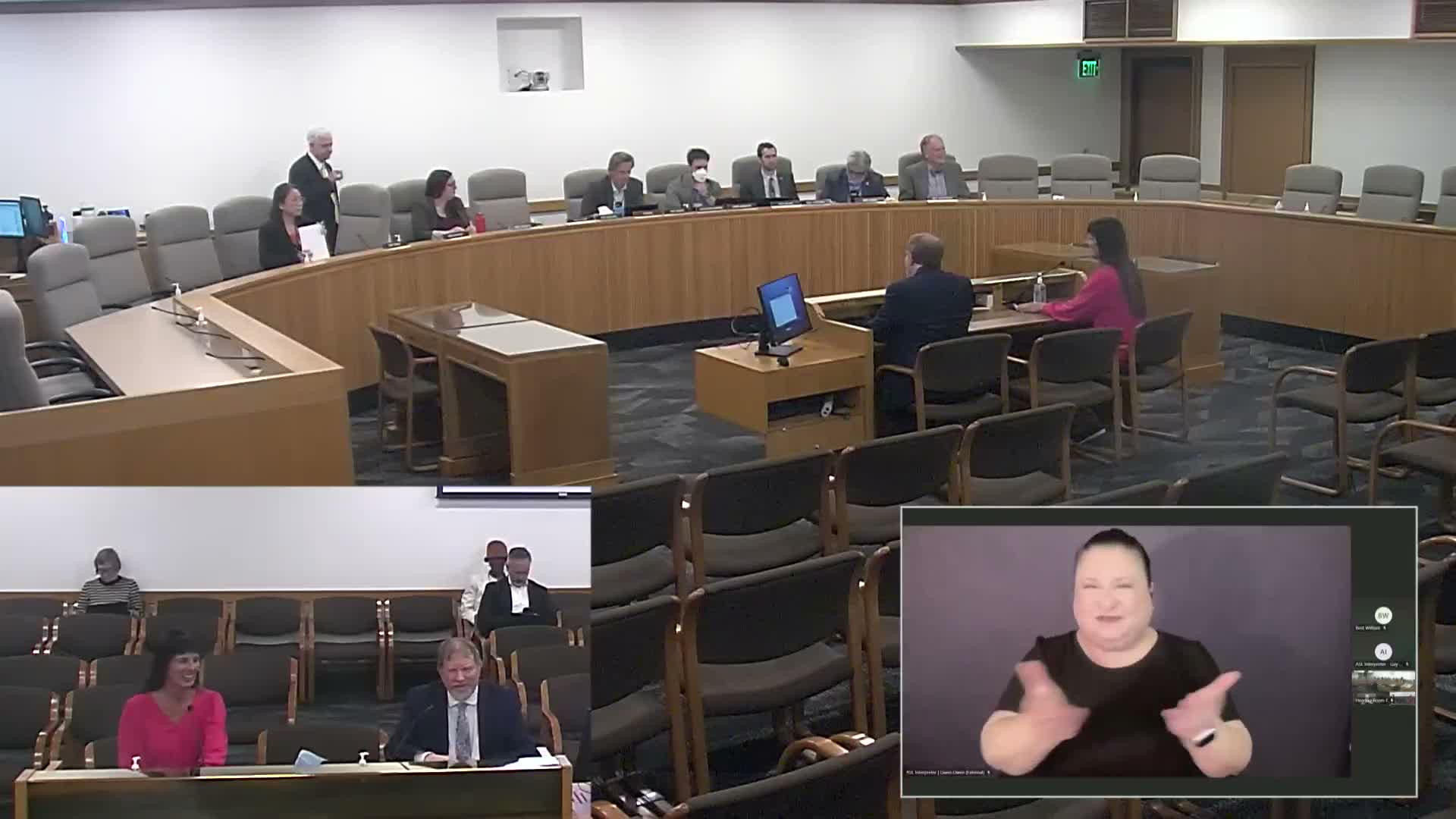
Rob Ovett presented a 12‑point cannabis omnibus concept (LC 6) at the Jan. 13 House Judiciary informational hearing, laying out changes he said are needed to align state law with new federal hemp rules and to strengthen enforcement against organized illegal grows.
Ovett said the package responds to two federal changes — hemp rescheduling and tightened Farm Bill language on intoxicating hemp — and proposes treating intoxicating hemp products as OLCC‑regulated retail items to prevent over‑the‑counter sales to minors. Among other items, the omnibus would:
• Expand OLCC retail channels to include intoxicating hemp products and apply parallel licensing and background checks for hemp handlers and producers; • Allow interstate transport of terpenes (no cannabinoids) to facilitate multi‑state businesses; • Enhance OLCC and ODA enforcement authority for inspections when probable cause exists; and • Increase the Illegal Marijuana Market Enforcement Grant Program (IMMEGP) funding taken off the top of marijuana tax receipts from $6,000,000 to $22,000,000 to sustain current service levels for investigations and victim services.
Ovett acknowledged constitutional and statutory constraints for some enforcement proposals and said he was working to refine language that accomplishes agency objectives without violating Article I, Section 9 or other provisions. He also noted the state’s limited general fund and the difficulty of backfilling grant cuts.
Why it matters: The omnibus would reorganize state treatment of intoxicating hemp, change licensing and enforcement powers, and alter marijuana tax distributions — decisions that affect producers, retailers, local revenue shares and public‑safety grant programs.
What’s next: Ovett said he will continue drafting and stakeholder engagement; committee members asked clarifying questions about terpenes, hemp categories, and the fiscal impacts on existing distributions.