
Rep. Farrah Chaiti outlines LEVA to require officer identification, publish joint task‑force agreements, and limit voluntary aid to federal actions
Get AI-powered insights, summaries, and transcripts
Subscribe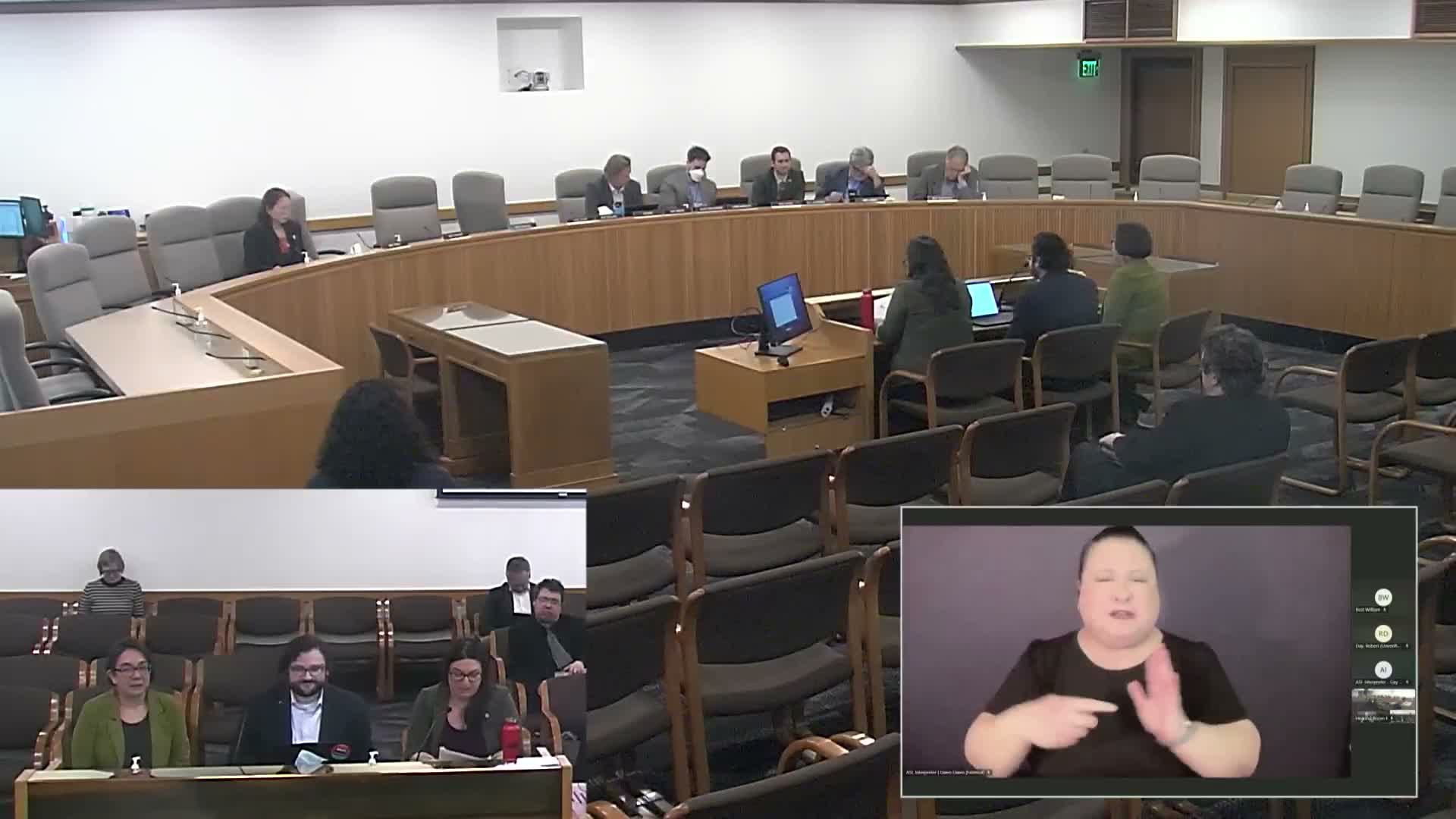
Summary
Rep. Farrah Chaiti introduced the Law Enforcement Accountability and Visibility Act (LEVA), which would broadly require agencies in Oregon to disclose identification policies, publish joint task‑force agreements, and prohibit voluntary state/local participation in federal investigations that target protected activity; ACLU and community advocates voiced support, and Portland Police Chief Bob Day urged careful drafting to avoid unintended effects.
Representative Farrah Chaiti introduced the Law Enforcement Accountability and Visibility Act (LEVA) to the House Judiciary committee on Jan. 13, proposing statewide rules to require identification by officers, public posting of joint task‑force and cross‑deputization agreements, and limits on voluntary assistance by state or local employees in federal investigations that would be unconstitutional or discriminatory.
Chaiti said the bill expands protections in prior state law by applying requirements statewide to state, local and federal actors operating in Oregon. Michael Abrams, policy counsel for the ACLU of Oregon, told the committee LEVA is similar to California laws on masking and identification but does not create new criminal penalties; instead it focuses on transparency and accountability, including a civil cause of action to empower Oregonians to hold public bodies accountable.
Mercedes Salizalde of Latino Network described trust concerns in immigrant communities and argued that mask‑ or anonymity‑based operations by federal actors have eroded trust in local law enforcement, sometimes deterring people from calling 911. Portland Police Chief Bob Day said Portland has a strong identification policy and multilingual outreach and warned that any statewide law should avoid treating all agencies the same without sensitivity to operational differences.
Supporters said LEVA’s public‑posting requirement would help identify where joint federal‑local operations exist and would strengthen community oversight. Committee members asked about the state’s authority to regulate federal agents; ACLU counsel said applying the rule as a generally applicable law to all law enforcement in Oregon provides the firmest legal ground under existing case law.
Why it matters: Sponsors argue expanded identification and transparency rules would protect immigrants and other groups from coercive or opaque federal enforcement tactics and rebuild community trust. Opponents or cautious voices emphasized careful drafting to avoid litigation and to respect legitimate undercover or safety needs.
What’s next: Sponsors asked the committee to take LEVA forward for further drafting and stakeholder work before the short session.