
Domestic student-exchange group says short exchanges increase civic empathy; teacher describes local effects in Grants Pass
Get AI-powered insights, summaries, and transcripts
Subscribe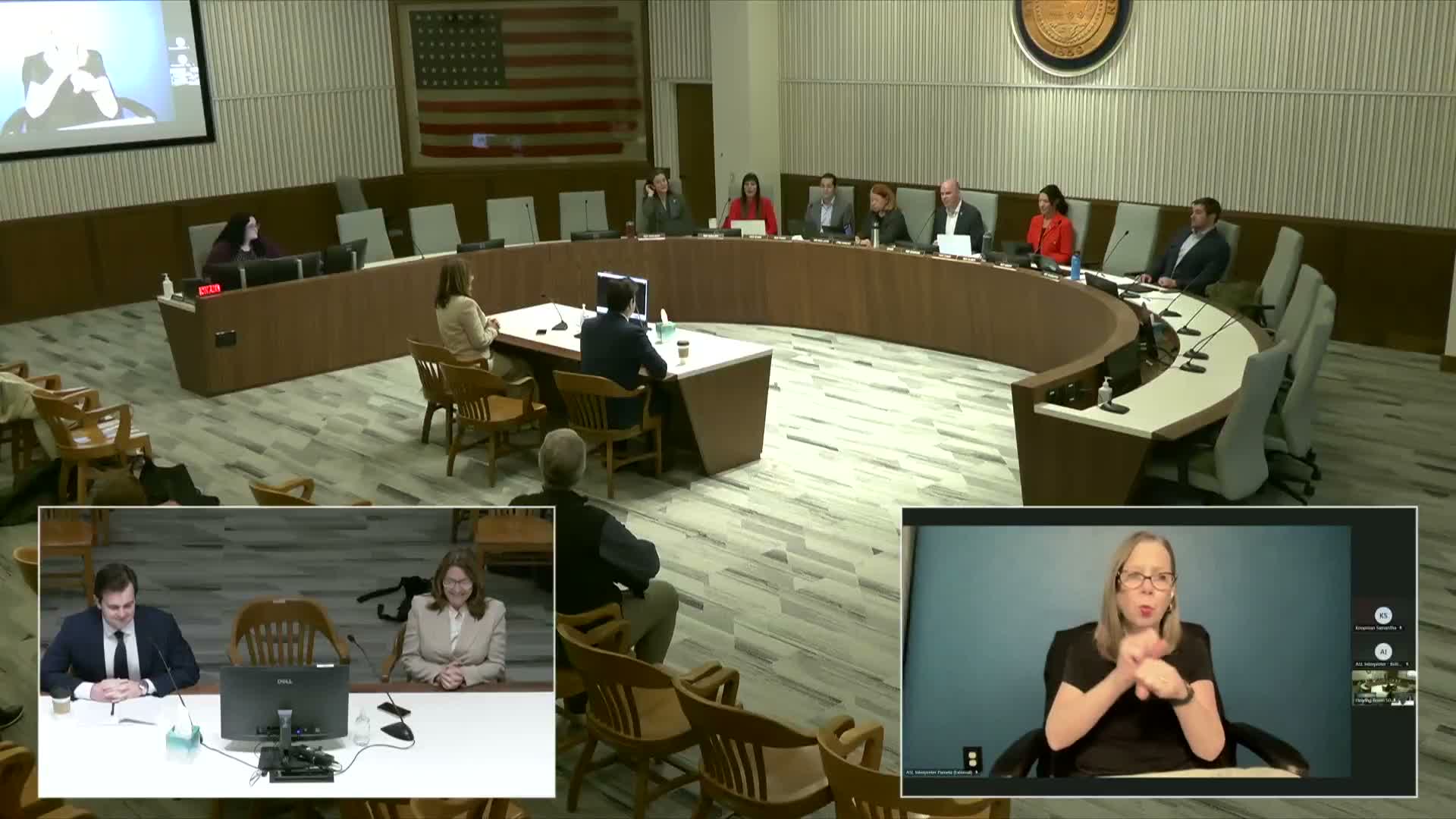
Summary
The American Exchange Project told the committee its free domestic exchanges produce measurable increases in students' willingness to engage with people who differ from them; a Grants Pass teacher described local community uptake and student experiences. Program leaders said trips are philanthropy-funded and free to students.
David McCullough, co‑founder and CEO of the American Exchange Project, told the House Interim Committee to Rules that the group's domestic, free exchanges for recent high‑school graduates produce measurable improvements in civic attitudes and new cross-community connections.
"We've worked with about a half dozen universities ... to survey our students pre- and post," McCullough said. He reported indicators the program tracks: net promoter scores averaging 9.7, survey responses showing large increases in students' views of people who disagree with them as "moral, thoughtful, and kind," and an average of about three new friendships in participants' networks after trips. McCullough said the program has sent roughly 1,500 students on almost 200 exchanges to about 40 states over five summers and that last summer AEP welcomed students from North Powder and Grants Pass.
Lois McMillan, an AP government and history teacher in Grants Pass who runs the local program, gave detailed classroom and community examples: 22 students signed up in her first cohort, host families and service organizations filled hosting needs, students participated in county service on Independence Day, and many took part in outdoor visits to Crater Lake and the Rogue River. "It's really the people that are also in my community experiencing the kids that are coming in," she said, describing civic exchange as benefiting both visiting students and host communities.
McCullough said the program is funded primarily by philanthropy and described the model as free for students and schools. "Over 90% of our funds come from major national philanthropies," he said, and AEP passes a budget annually and raises funds to cover student and school costs.
Committee members asked about recruitment and evaluation; McCullough said AEP runs an extracurricular model in schools, supported by a national staff, and that pre- and post-trip surveys (conducted with university partners) show increases in civic optimism and willingness to form relationships across differences. McCullough and McMillan said they would provide additional program data and contact information for schools interested in participation.
Chair Bowman and other members said they would explore whether state or local partners could help expand programs, but no state funding decision was taken at the meeting.