Get Full Government Meeting Transcripts, Videos, & Alerts Forever!
Get email alerts on the Debt Resolution Lc17 topic
No spam. Unsubscribe anytime.
Trade group and counsel urge Oregon to allow regulated debt resolution with state licensing aligned to FTC rule
Summary
At an informational hearing, trade representatives and compliance counsel said a proposed bill (LC 17) would create state licensing for debt resolution, align Oregon with the FTC's telemarketing sales rule, protect consumers with an advanced‑fee ban and disclosures, and allow Department of Consumer and Business Services oversight.
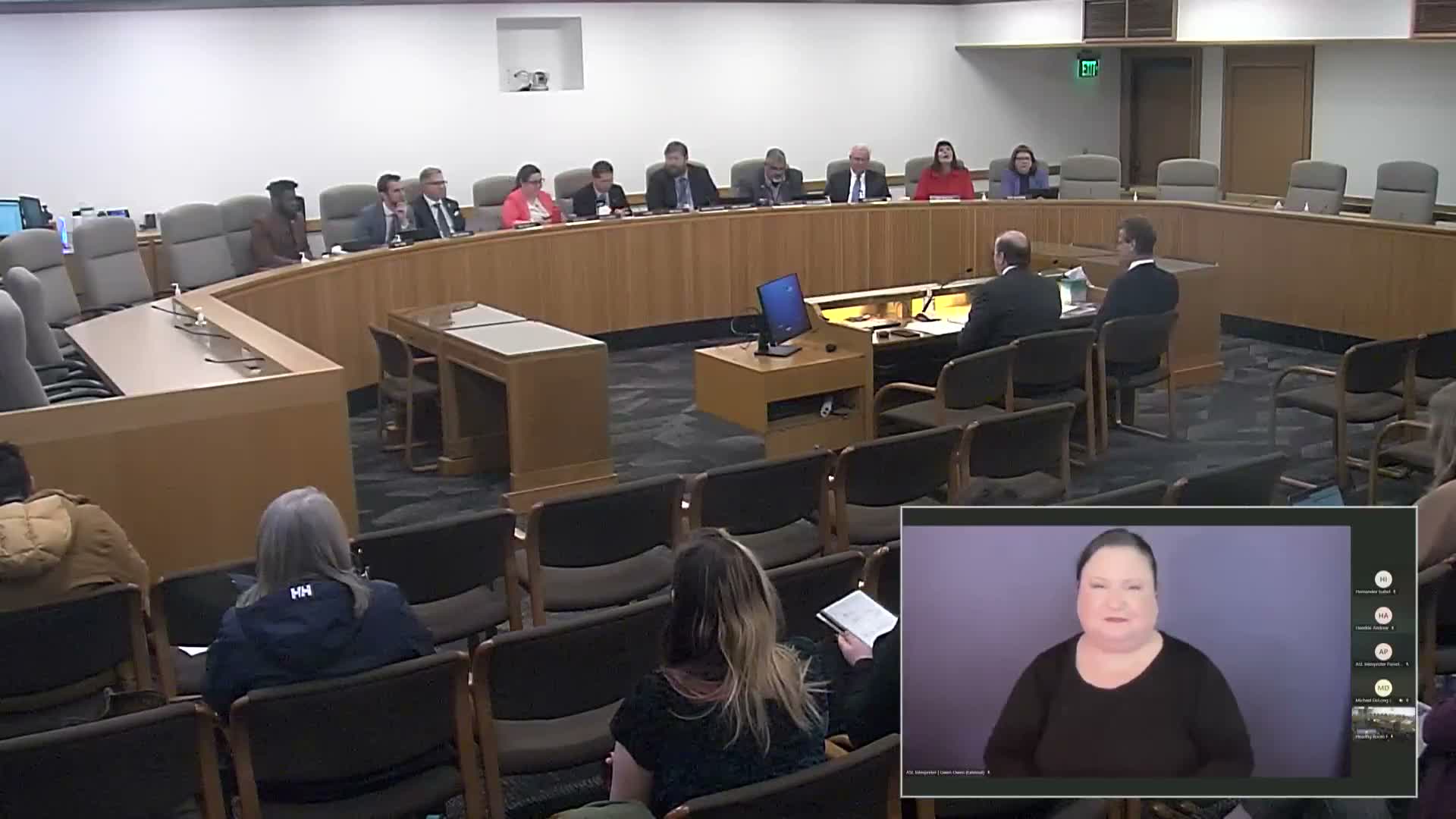
During the committee’s Jan. 14 session, advocates for regulated debt resolution and outside counsel told lawmakers a state licensing framework would allow reputable providers to operate under consumer protections modeled on the Federal Trade Commission’s telemarketing sales rule (TSR).
Jason Mulvihill, president and CEO of the Association for Consumer Debt Relief (ACDR), said ACDR members resolve more than $6 billion in unsecured debt nationwide and save customers nearly $2 billion annually. He said Representative Breeze Iverson's bill would create a state licensing regime that mirrors key FTC protections: an advanced‑fee ban (no fees until a settlement is reached, accepted by the consumer and a payment has been made), required escrow/account protections, pre‑enrollment disclosures, and consumer rights to withdraw without penalty.
Michael Goodman, partner at Hudson Cook who has counseled debt settlement firms and previously worked at the FTC, said LC 17 would harmonize Oregon law with the TSR, add registration and reporting requirements for oversight, and extend advertising and disclosure rules to help distinguish compliant providers from bad actors.
A committee member asked about fiscal impact; Mulvihill said the licensing regime would likely require a small administrative fiscal allocation for the department to administer licensing.
Next steps: witnesses offered to answer follow‑up questions and provide materials to the committee's LPRO analyst; the committee signaled it may move the concept forward for consideration in the session.