Get Full Government Meeting Transcripts, Videos, & Alerts Forever!
Get email alerts on the Insurance Claims Practices topic
No spam. Unsubscribe anytime.
Witnesses tell committee Oregon insurers paid out far less in claims than national averages; advocates push application of consumer protection law
Summary
Researchers and former industry lawyers told a House committee Oregon insurers have low loss ratios and high profits, arguing the state should apply its Unlawful Trade Practices Act to insurance to increase accountability and consider remedies such as creating a first‑party bad faith cause of action.
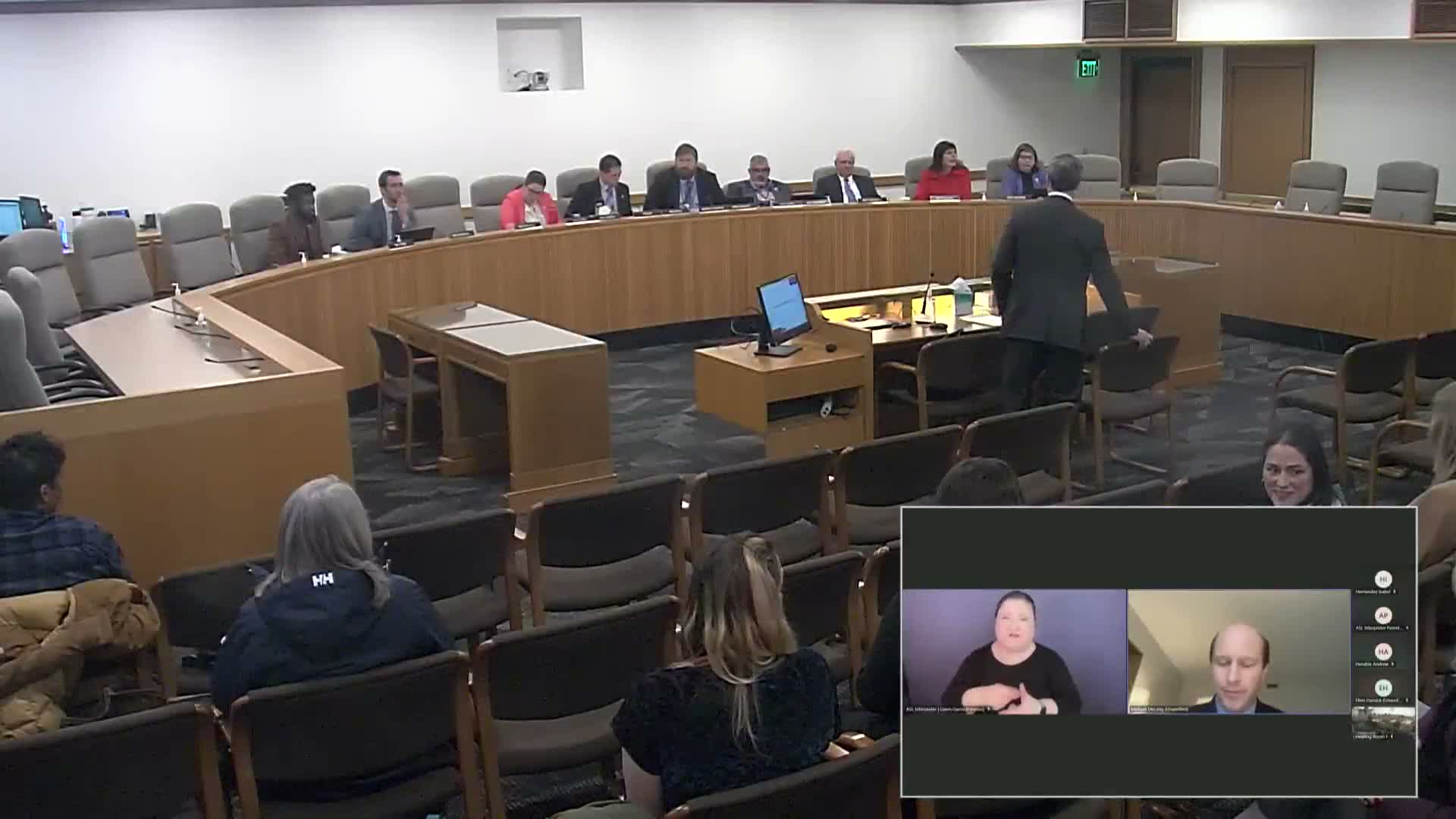
At an informational meeting on Jan. 14, the House Interim Committee on Commerce and Consumer Protection heard testimony from researchers and a former insurance defense attorney who described systemic practices that they say reduce claims payments and increase insurer profits in Oregon.
Michael DeLong, a research and advocacy associate with the Consumer Federation of America, presented industry data showing Oregon homeowners insurers paid about $0.62 in claims for every $1.00 of premium in 2022 compared with a national average of roughly $0.71. He said Oregon’s loss ratio fell to about $0.52 in 2023 even as premiums rose about 10.8% between 2022 and 2023. "When insurance companies are paying out below average loss ratios and reporting very large profits much higher than average across the industry, it's a sign that consumers need more protections from the legislature," DeLong said.
DeLong recommended extending the state’s Unlawful Trade Practices Act to apply to insurers, saying the current exemption reduces accountability. He supplied statewide figures for insurer profits and returns and said those markers, combined with rate increases and low claim payments, indicate the need for additional tools.
Tyler Staggs, an attorney who said he spent decades representing insurers before his firm ceased that work in 2024, described cultural and structural industry changes — regional hub claims operations, increased workloads for claim handlers, and automated decision systems — that he said have led to delays and fewer fair payments. Staggs also noted Oregon lacks a broad first‑party bad faith remedy in practice and cited the 2023 Oregon Supreme Court decision in Moody. "We don't have first party bad faith," he said, urging legislators to consider reforms that would improve consumer recourse.
Committee members asked whether the observed patterns reflected a few bad actors or a systemic problem; DeLong said the behavior is widespread across many companies rather than limited to a single firm. Members also questioned the role of credit‑based pricing in access to insurance; DeLong said poor credit scores often lead to markedly higher premiums and recommended banning the practice, noting few states have done so.
Next steps: Chair Sosa said the committee is teeing up concepts for discussion when the Legislature convenes, indicating the committee will consider policy options during the session.