Get Full Government Meeting Transcripts, Videos, & Alerts Forever!
Get email alerts on the Septic Installers topic
No spam. Unsubscribe anytime.
DEQ adopts emergency rules to preserve septic‑installer licensing after statutory shift
Summary
Following legislation shifting on‑site wastewater installer authority from local public health to the Department of Environmental Quality, DEQ adopted emergency rules to avoid a licensing gap, maintain consumer protections, and begin a state licensing program while it develops a full rule package for 2026.
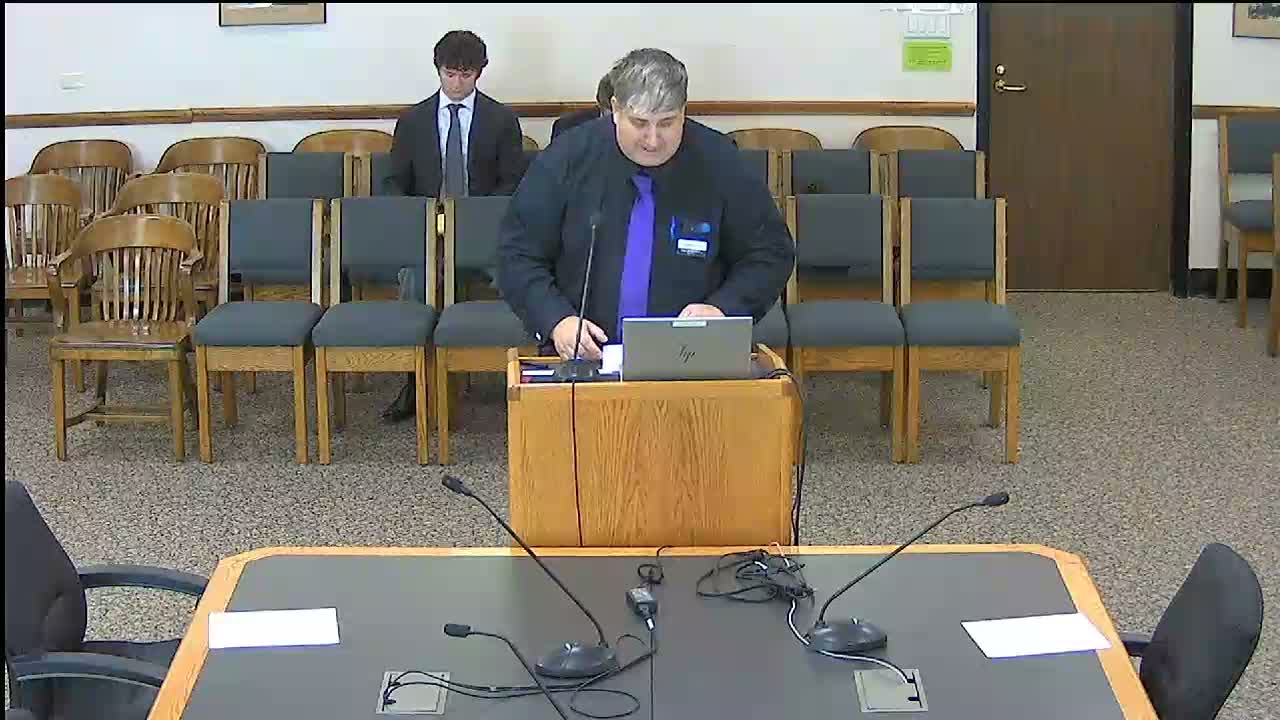
The Department of Environmental Quality (DEQ) told the Administrative Rules Committee that Senate Bill 2267 transferred authority for licensing on‑site wastewater installers (septic system installers) from local public health boards to the DEQ and temporarily invalidated some local rules. Deputy Director Karl Rockman said the emergency rules were necessary to prevent a lapse in oversight and to protect public health while DEQ develops a full regulatory package.
Rockman explained that the emergency amendments preserve existing licensing for locally licensed installers (their licenses effectively transferred to the state) and establish a process for new installers to obtain state licenses; the rules are designed to keep oversight in place to prevent improper systems and public‑health risks such as leaks that could affect drinking water or indoor air quality.
Rockman emphasized coordination with local health units and the North Dakota On‑site Wastewater Recycling Association during the transition and said a full set of rules will be presented to the committee in 2026 with licensing requirements starting in calendar 2027. The committee asked about consumer protections for individuals seeking installers during the interim; Rockman said the emergency rules ensured continuity and that enforcement authority exists under law if problems arise.
What’s next: DEQ will continue consultation and bring a comprehensive rule package to the committee in 2026; current emergency rules maintain licensure continuity and allow new applicants to obtain state licensing.