Get Full Government Meeting Transcripts, Videos, & Alerts Forever!
Get email alerts on the Stripper Well Policy topic
No spam. Unsubscribe anytime.
Committee reviews memo on stripper-well tax exemption study; asks for more data on revenue impacts
Summary
Legislative staff shared a memo prepared for the Tax Reform and Relief Advisory Committee on stripper-well exemptions and the committee asked the tax department, Mineral Resources and UND's Energy and Environment Research Center to analyze how many wells would qualify as 'strippers' under different thresholds and the revenue impact to the Resources Trust Fund.
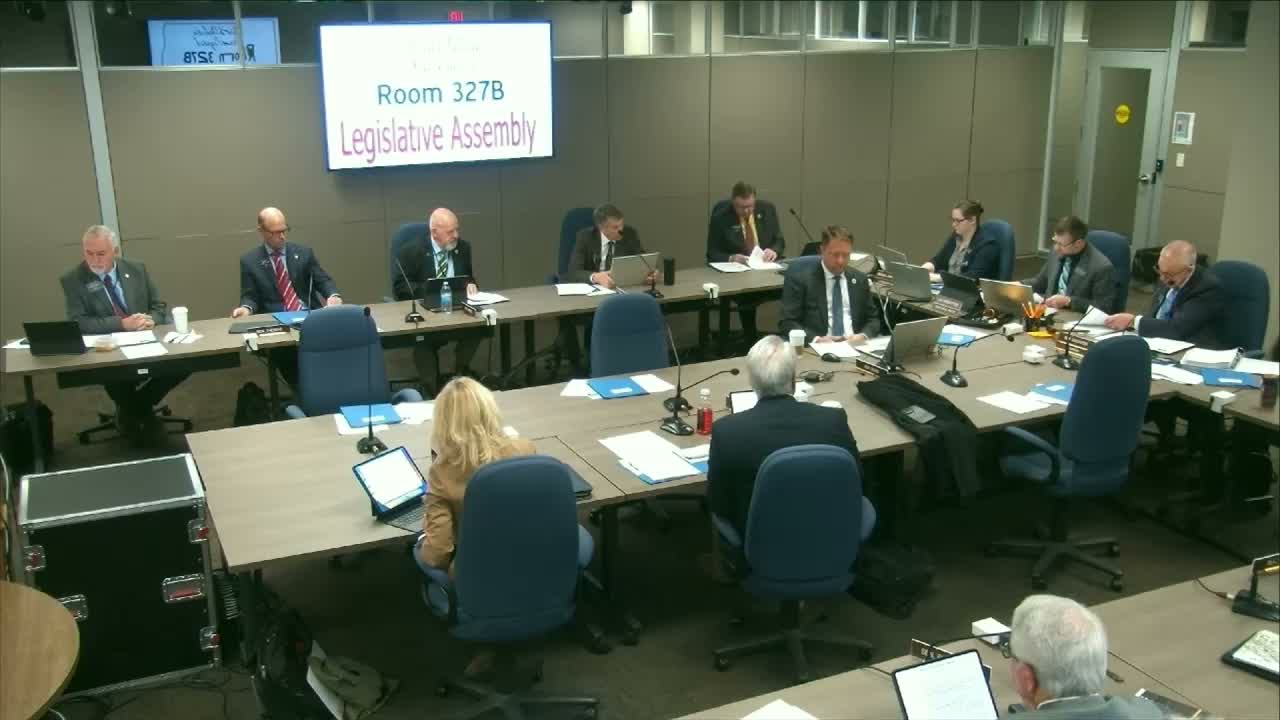
The Water Topics Overview Committee on Dec. 1 reviewed a memo (LC 27.9100.01000) summarizing a study request on stripper-well tax exemptions and asked staff to pursue a data-driven analysis of fiscal impacts.
Levi, a legislative staffer, told members the memo had been distributed to the Tax Reform and Relief Advisory Committee and described a motion that committee passed asking the tax department, the Department of Mineral Resources and the Energy and Environment Research Center at the University of North Dakota to collaborate on an analysis of stripper wells. The analysis will examine how exemptions would affect state revenue, particularly oil extraction tax receipts that flow into the state's Resources Trust Fund.
Several legislators pressed for specifics. Senator Sorvaug and others asked whether many wells are likely to shift to stripper status if current thresholds remain, and whether a sudden wave of reclassifications could create a large one-time revenue shock. Senator Beckettall and other members asked staff to track how threshold definitions (for example, a 35-barrel-per-day threshold used in some basins) were chosen and whether alternative gradations or phase-downs might blunt fiscal impacts.
Committee members asked Levi to arrange the study so it provides: (1) an estimate of how many wells would meet alternate stripper-well thresholds over time; (2) a revenue projection for the Resources Trust Fund under different exemption scenarios; and (3) comparisons with how other oil-producing states define and handle stripper wells. Levi said the collaborating agencies will report back and that the committee could receive an update in the spring.
The committee did not take formal action beyond requesting the analysis; members emphasized they want numbers to guide cost-share and water-budget planning as the Legislature develops the next biennial budget.