Get Full Government Meeting Transcripts, Videos, & Alerts Forever!
Get email alerts on the Burley Morton Agreement topic
No spam. Unsubscribe anytime.
Burley Morton Detention Center and DOCR near agreement to reserve 120 beds for state overflow
Summary
Burley Morton officials told the subcommittee they agreed terms with DOCR for a 120‑bed minimum‑security pod to house DOCR overflow and that legal and county governance approvals were pending, with formal signoff expected within days. County officials said they will host DOCR staff and provide correctional security.
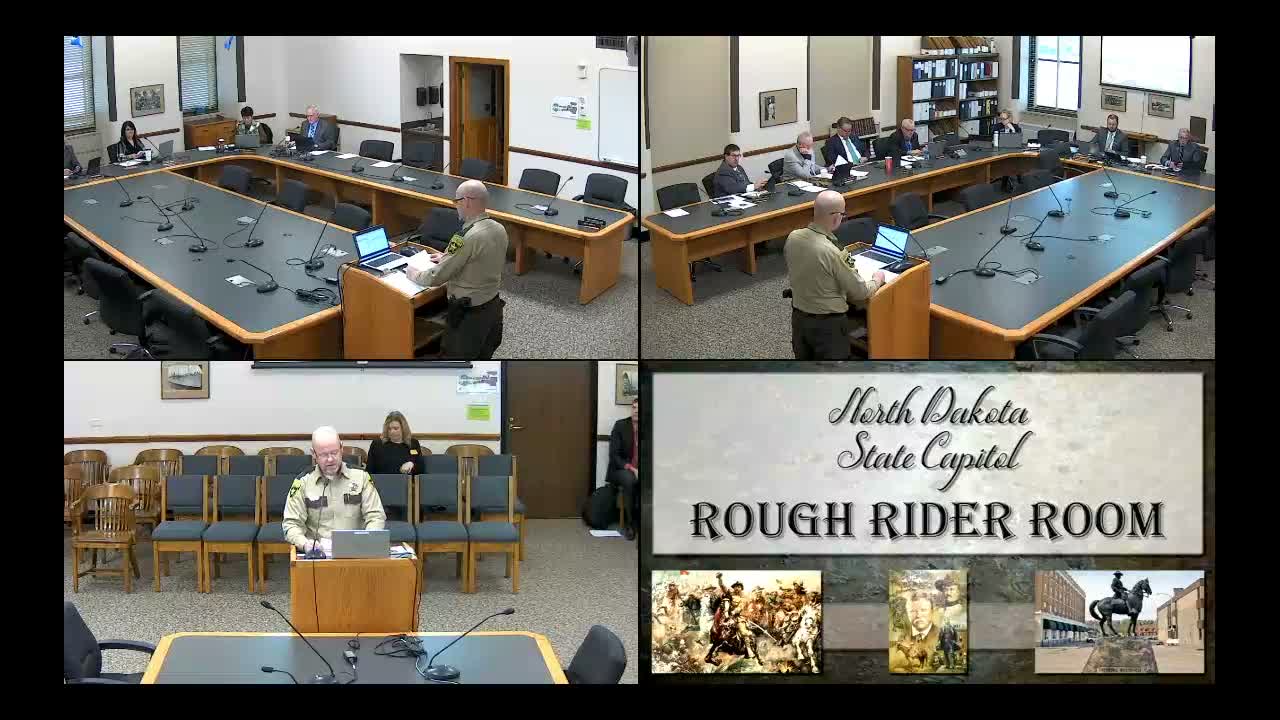
Major Trent Longan, assistant jail administrator and president of the North Dakota Correctional Center Administrators Association, told the Government Finance Regional Jail Study Subcommittee that Burley Morton Detention Center and DOCR have agreed on terms for a minimum‑security 120‑bed pod dedicated to DOCR overflow and treatment‑eligible inmates.
Longan said the pod is a completed shell within the facility; the parties had settled terms and were awaiting final legal review and approval by the jail governance board and both county commissions. He told the committee he expected formal approval within a week and said the detention center will provide correctional officers while DOCR staff will supply case management, counseling and treatment personnel on site.
Longan provided operational context: Burley Morton is a regional 555‑bed facility that currently houses a mix of local, state and federal detainees and has been expanding staff and contracts after COVID‑era fluctuations. He said Burley Morton typically houses 20–30 ICE detainees and between 70–75 US Marshals prisoners on a given day; once the DOCR agreement is active he estimated 130–150 DOCR inmates may be in the facility as a result of the new pod and shifted placements.
The committee asked about funding and governance. Longan said Burley County historically funded the facility through property tax and a county sales tax supports current operations; contracts and daily housing agreements offset some costs. He also said the county commission has discussed expanding staffing and completing a shelled pod that could raise capacity above 700 beds over time.
Committee members requested the final contract language and a schedule for implementation; Longan said those documents would be presented to the county and county governance bodies and then supplied to the subcommittee once approved.