Get Full Government Meeting Transcripts, Videos, & Alerts Forever!
Get email alerts on the Rural Health Transformation topic
No spam. Unsubscribe anytime.
Health department outlines rural health transformation plan, awaits federal award
Summary
ND Department of Health and Human Services detailed its Rural Health Transformation Program application—prioritizing workforce, right-sizing care, prevention and data modernization—and said the state expects a federal award decision by Dec. 31.
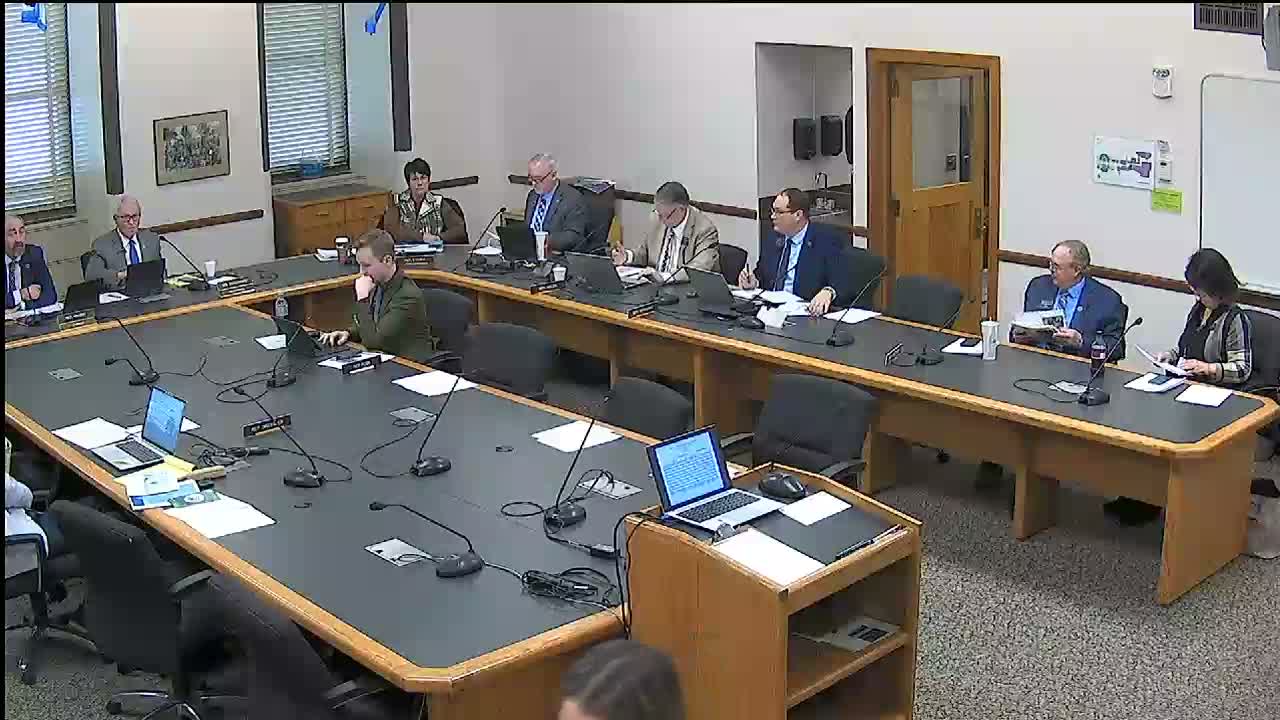
Sarah Aker, executive director in the Division of Medical Services at the North Dakota Department of Health and Human Services, briefed the committee on the state's application to the federal Rural Health Transformation Program created in the federal 'Big Beautiful Bill Act' (HR 1).
Aker said the federal program funds multi-year grants intended to transform rural care delivery and that North Dakota's application—submitted Nov. 3—requested funding across four primary themes: workforce; prevention and chronic-disease interventions; care closer to home and right-sizing health delivery for communities; and data/technology modernization. "Workforce was identified as the top priority," Aker said, and she described proposed investments including residency expansions, train‑in‑place opportunities, retention and relocation grants, and preceptor development.
She outlined constraints and caps in the federal guidance: no pre-award costs, a 20% cap on renovations within a budget period, a 15% limit on direct provider payments, a 10% cap on administrative costs, and restrictions that prevent supplanting existing state, tribal, or local funding or funding Indian Health Service. Aker said the state is designing sustainability strategies—such as Medicaid value-based payment models—to keep successful activities going beyond the five-year grant period.
Aker described the state's outreach: an August listening survey with more than 1,200 responses and a provider readiness survey with 134 respondents. She said many providers prioritized workforce, right-sizing care availability, and prevention, and noted planned award mechanisms will include grants, direct contracts with some state entities and requests for proposals on competitive procurements. She asked committee members to help share subaward opportunities with constituents and to watch the state rural health page for grant postings.
During Q&A Aker clarified that the federal guidance has not yet defined a single "rural health care provider" definition for award purposes and that the state's approach will focus on impact to rural residents. On homelessness and behavioral-health funding she said the grant cannot pay for new construction nor for purchase of buildings but can fund medically related services or care coordination; funding for housing itself may not be allowable under the federal rules. Aker said final federal award decisions are expected before Dec. 31, and that the governor may call a special session in mid-to-late January contingent on receipt of funds.
Aker offered to share more detailed dollar allocations, which she said are posted on the department website and which she offered to circulate to committee staff.