Get Full Government Meeting Transcripts, Videos, & Alerts Forever!
Get email alerts on the Property Tax Exemptions topic
No spam. Unsubscribe anytime.
Fairbanks North Star Borough board grants most tax‑exemption appeals for Victory Ministries' Camp Liwa; one vacant lot denied
Summary
After a half‑day hearing, the Board of Equalization granted Victory Ministries' appeals for four of five questioned parcels related to Camp Liwa, finding the record insufficient to sustain the assessor's denials on those lots; a separate small vacant lot was ruled taxable. The board directed written findings to be drafted before finalizing decisions.
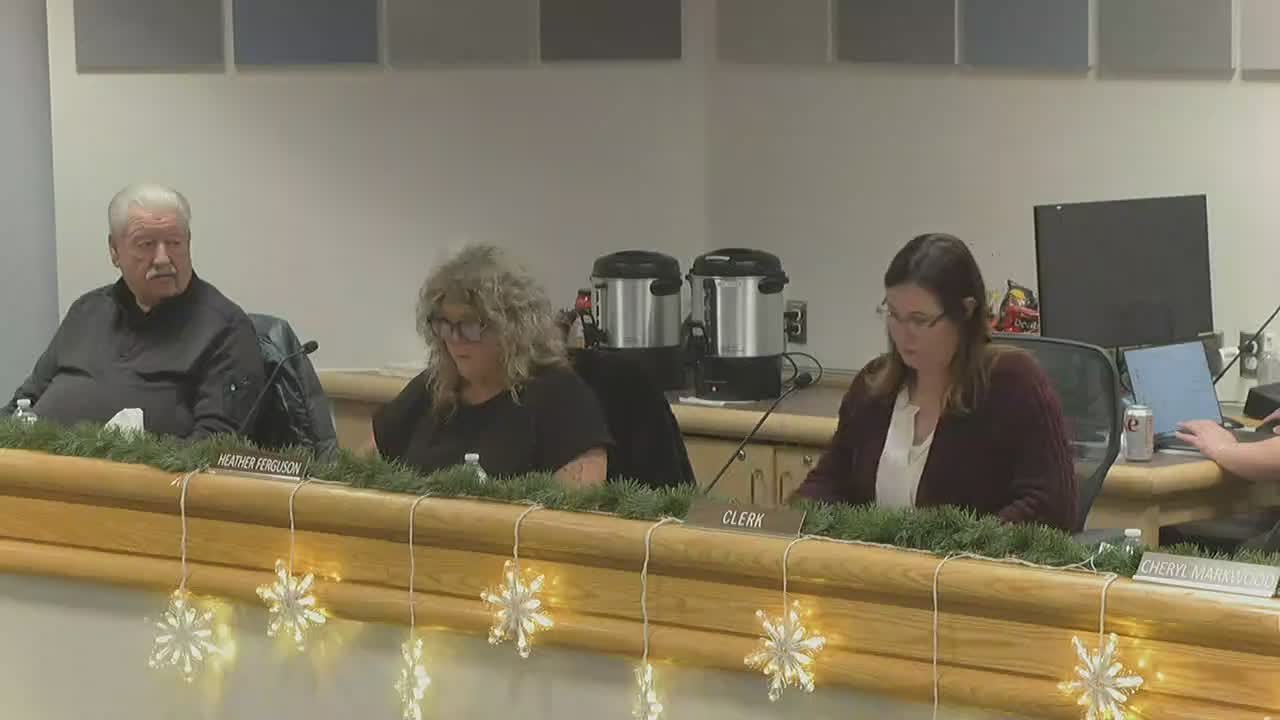
The Fairbanks North Star Borough Board of Equalization on Dec. 3 heard oral arguments in an appeal by Victory Ministries and its Camp Liwa property over the assessor's decision to deny charitable property‑tax exemptions for several buildings and parcels. After hearing 45‑minute presentations from both sides, the board granted the appellant's appeals for four of five contested parcels and upheld the assessor on one vacant lot.
Appellant counsel Steve Mahoney, representing Victory Ministries, told the board the legal question was narrow: whether the parcels were "used exclusively for charitable purposes" under Alaska law. Mahoney said the assessor had wrongly relied on older findings and misapplied case law, and urged the board to reverse the denials. "This denial is simply wrong," Mahoney said, arguing that Camp Liwa operates year‑round as an evangelical charitable enterprise and that fees charged to some users were incidental and did not indicate a dominant profit motive.
Borough counsel for the assessor, citing the Alaska Constitution and statute, urged the board to analyze all uses of the properties and to consider 2022 Superior Court findings that had previously affirmed the assessor's determinations on similar facts. The assessor's presentation emphasized that several buildings on the northern portion of the property were rented for paid retreats and activities advertised to the public and that those uses generated roughly $110,000 in revenue (as shown in the assessor's packet). Counsel argued that such public, fee‑based retreats are not the same as the traditional charitable models the Alaska cases have previously recognized.
Board discussion focused on two distinct lines of legal argument: (1) whether renting to other nonprofit organizations preserves an exemption even when a fee is charged, as lines of Alaska case law can be read to permit, and (2) whether the assessor's 2022 Superior Court decision — which the assessor urged the board to treat as controlling on similar facts — required the board to reach the same outcome. Board members also pressed for building‑by‑building evidence of income and use; borough counsel acknowledged gaps in the record on a granular, per‑building accounting.
Votes at a glance - PAN 0217093 (large parcel including summer camp area and other cabins): board granted the appellant's appeal, reversing the assessor (vote 4–1). Dissenting vote cited concerns about mixed uses and prior findings. - PAN 0136646 (small vacant lot): board upheld the assessor and found the lot nonexempt (vote 5–0). - PAN 0217158 (northern parcel with the equestrian center, staff housing, maintenance buildings and some guest lodging): board granted the appellant's appeal (vote 4–1). - PAN 0217107 (parcel with staff cottages/other support buildings): board granted the appellant's appeal (vote 4–1). - PAN 0217255 (single‑structure parcel used for guest groups): board granted the appellant's appeal (vote 4–1).
Several board members said the record for 2024 (the tax year at issue) lacked the detailed, building‑level income breakdown the assessor requested under a strict spatial apportionment approach. Board members in the majority accepted the appellant's evidence that many uses on the parcels were nonprofit or charitable in character, cited examples of volunteer staffing and donated support, and said the borough had not supplied sufficient contrary evidence for the 2025 lien date to justify denying exemptions on those parcels.
The board did not finalize written findings at the hearing. Counsel was directed to draft findings of fact and conclusions of law reflecting the board majority's rationale and distinguishing the 2022 Superior Court decision as persuasive but not controlling. The board set follow‑up dates to review and adopt the written findings before issuing final orders.
What the board was deciding — and what it did not decide The board emphasized it was deciding the 2025 exemptions on the basis of the record for that tax year. It did not make broader rulings that would bind other cases, and several members noted that the Alaska Supreme Court still has an outstanding appeal related to earlier decisions in this dispute. Members who dissented on individual parcels cited mixed public, fee‑based uses and existing Superior Court reasoning as weighty considerations.
Next steps Borough counsel will draft findings and conclusions for the parcels on which the board granted relief; the board will reconvene to review and adopt those written findings, after which the clerk will issue formal decisions to the parties. The board noted the matter could be appealed to the courts.
Reporting note: Direct quotes and vote tallies are taken from the hearing record and were read into the public record during the Dec. 3 Board of Equalization proceeding.