Get email alerts on the Meat Poultry Processing topic
No spam. Unsubscribe anytime.
Council creates separate definitions for meat processing and poultry processing; would require special use permits for larger meat operations
Summary
Council approved zoning code updates that define 'meat processing and storage' as a special use in M‑1 and keep poultry processing permitted by right; the change is intended to let nonconforming operations such as T and E Meats apply to become conforming through a special use permit while allowing case‑by‑case conditions on outdoor storage, hours and truck movements.
City Council on Jan. 13 approved changes to the zoning ordinance that create distinct definitions for meat processing and storage facilities and poultry processing.
Staff said the change responds to a nonconforming operation at 256 Charles Street (locally known as T and E Meats) and proposes that meat processing—defined as slaughter and processing of game or domestic animals (excluding poultry)—be allowed only by special use permit in the M‑1 general industrial district. Poultry processing would remain a by‑right use in M‑1, consistent with long‑standing local interpretation.
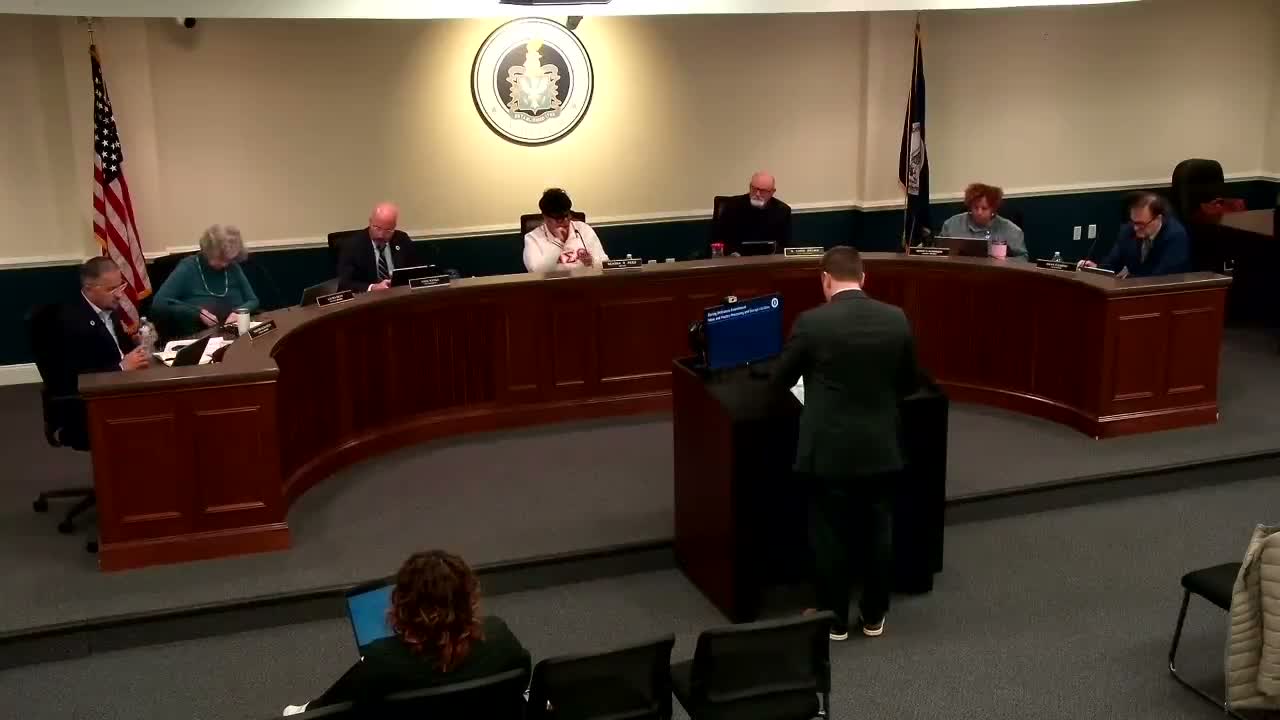
Todd Ray, representing T and E Meats, told council the business has operated in the city since the 1930s and urged adoption so the operator can later apply for a special use permit to resolve nonconforming status. Ray said the operation serves local farmers and losing it could force longer shipments for livestock processing.
Council discussed whether to codify typical permit conditions (hours, outdoor storage limits, truck routing) in the ordinance or leave them to case‑by‑case review. Staff recommended documenting possible conditions in staff reports rather than embedding them in the code. Planning Commission recommended the definitions unanimously (6‑0). Council approved the amendment on a roll call vote.
AI generated
The text on this page is AI generated. Summaries, highlights, analysis, and video transcripts are all produced from the original source material.
AI can make mistakes, so if you spot one, and we will fix it for everyone.
Note: the source content is unaltered by us. Any content source we link to, be it a video, an audio recording, or a document, is presented exactly as its publisher released it. That publisher is usually a government body, sometimes an individual official or another organisation.