Get Full Government Meeting Transcripts, Videos, & Alerts Forever!
Get email alerts on the Zoning Inpatient Treatment topic
No spam. Unsubscribe anytime.
Harrisonburg council adopts zoning changes requiring special-use review for inpatient substance use disorder treatment facilities
Summary
The council voted Nov. 25 to add a definition for inpatient substance use disorder treatment facilities to the zoning ordinance and make them allowable only by special-use permit in R-3 and B-2 districts; council and public discussion emphasized discharge protocols, service capacity and community input.
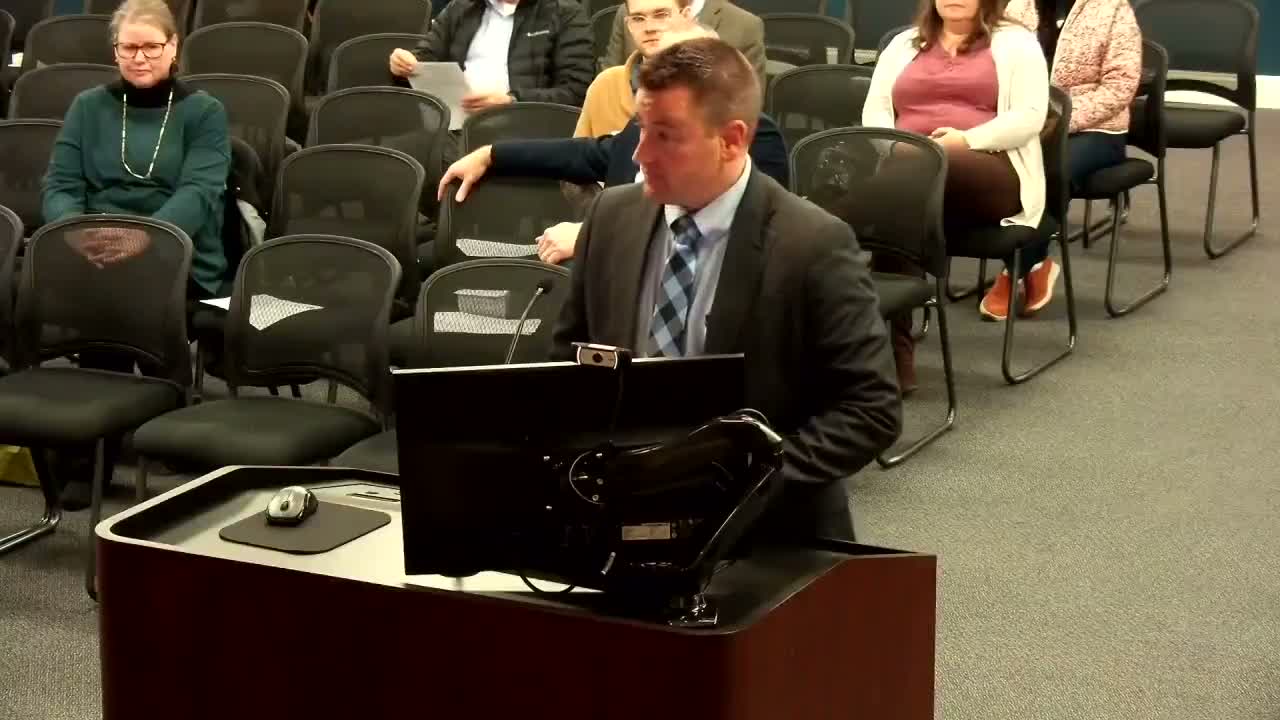
Adam Fletcher, Harrisonburg's director of community development, told the City Council on Nov. 25 that staff is proposing multiple zoning-text amendments to define and regulate medical and institutional uses, most prominently an "inpatient substance use disorder treatment facility." Fletcher said the draft definition would require a facility licensed by the Virginia Department of Behavioral Health and Developmental Services that provides 24-hour residential treatment to be reviewed by a special-use permit rather than be allowed by right in the R-3 district; the proposal also would allow such facilities by special use in the B-2 General Business district.
Fletcher said staff found inconsistent terminology across the zoning ordinance (for example, "medical clinic" versus "medical office") and proposed clarifying definitions for hospitals, institutional care facilities, nursing homes and assisted-living uses. He told council the Planning Commission initially recommended the amendments and that staff held an extra Planning Commission session after discovering the need to follow state code procedures on how zoning amendments must be initiated.
During the public hearing a city resident urged council to focus on root causes of homelessness and expressed concern that improperly sited facilities could become makeshift shelters. Council members who questioned staff emphasized the need to vet facility discharge protocols and service continuity so that community impacts and transitions are managed.
Councilmember (mover) moved to approve the ordinance amendments "as presented." The motion was seconded and, on roll call, council recorded unanimous support and approved the changes to the zoning ordinance.
The approved amendments change where certain medical and institutional uses are permitted and add procedural oversight through special-use review for the newly defined inpatient-treatment category. Next steps include publishing the ordinance revisions and applying the new procedures to future permit applications; the transcript shows Planning Commission involvement earlier in October and at a special meeting on Oct. 30.