
Committee backs bill requiring medical expertise and parental notice in child protective investigations
Get AI-powered insights, summaries, and transcripts
Subscribe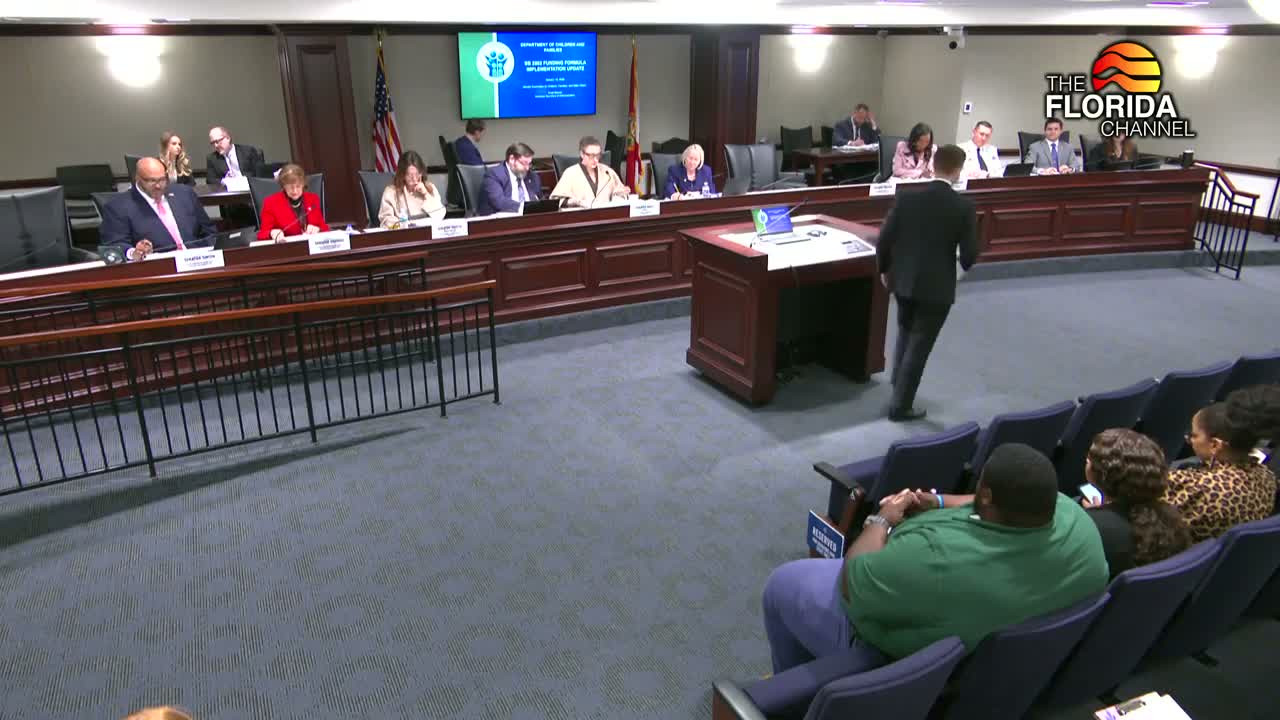
Summary
The committee reported SB 42 favorably after extensive testimony from parents, clinicians and advocates who said the bill would require qualified medical professionals be consulted in cases involving complex medical diagnoses and ensure parents are informed of rights at the outset of investigations.
Senator Sharif said SB 42 is a child‑safety and due‑process bill that "improves how child protective investigations handle complex medical conditions," ensuring investigators and child protection teams rely on qualified medical professionals before making determinations.
A long series of public witnesses recounted personal cases in which medically complex children were investigated or removed. Tasha Patterson described prolonged litigation and said her twins were later confirmed by ‘‘12 experts’’ to have medical conditions that were mistaken for abuse; she told senators ‘‘these examples underscore the need for second medical opinions in these cases.'' Diana Sullivan, whose children were later diagnosed with Ehlers‑Danlos and osteogenesis imperfecta according to her testimony, urged lawmakers that "the unknown is not evidence of harm." Former law enforcement officer and nurse Cynthia Smith said SB 42 "introduces accountability" and prevents ‘‘medical overreach.'"
Disability Rights Florida supported the bill, noting that differential diagnosis is crucial to keep children with disabilities safely with families when appropriate. Witnesses described cases where outside medical records or genetic testing were not considered in time, and several speakers asked the Legislature to restore parents' voice and require appropriate medical consultation.
Senator Sharif closed and waived final remarks; the clerk called the roll and reported SB 42 "favorably." The committee did not record opposition during the hearing. The committee asked DCF and stakeholders questions during the session about implementation, data, and standards that will likely inform future drafting and implementation work.