Governor proposal boosts K‑12 funding, expands VPK and increases school safety allocations
Loading...
Summary
The governor's fiscal‑year 2627 education proposal would raise K‑12 funding, expand VPK operations and direct new money to school safety and civics programs; the commissioner and governor's budget office provided line items and committee members pressed for implementation details.
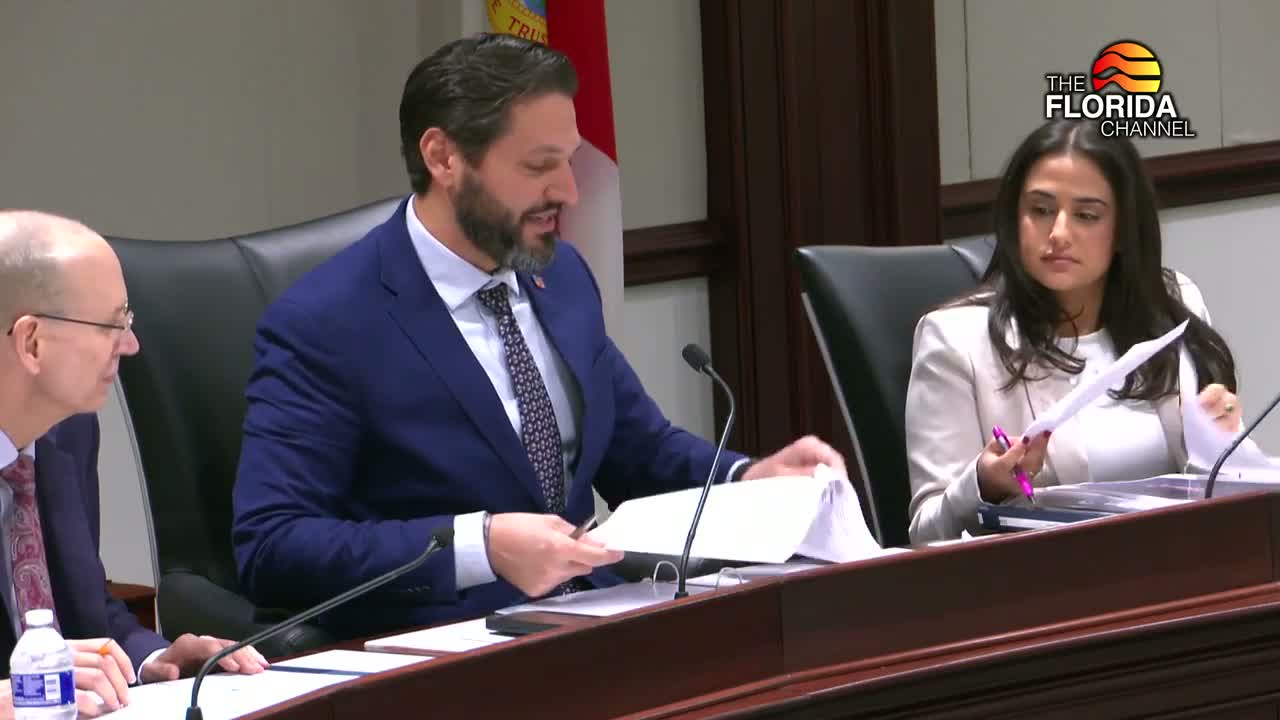
The Appropriations Committee on PreK–12 education heard the governor's fiscal‑year 2627 education budget recommendation, which the governor's office and the commissioner of education described as a historic investment in Florida schools.
Shelby Salmons of the governor's Office of Policy and Budget told the committee the governor's overall proposal totals "$117,400,000,000" and that education is the largest policy slice of the general‑revenue budget. Commissioner Stasi Kamutsis said the governor's recommended K–12 investment totals about $30.6 billion and that FEFP funding would see a $761.1 million increase, producing a $9,406 per‑student investment — roughly $279 above the current year. "We were so proud that the governor announced yesterday a 92.2 graduation rate that is historic levels in this state," Kamutsis added.
The presentation called for $486,000,000 for Florida's VPK program to prepare roughly 145,000 4‑ and 5‑year‑olds and recommended $483,000,000 for VPK operations, including an increase in the base student allocation. The package also included concentrated school‑safety funding — a mix of continued and new appropriations: increases to the safe‑schools allocation, a mental‑health allocation rise, funding for the Guardian program and dollars for public‑school hardening and panic‑alert systems.
Commissioner Kamutsis highlighted investments in civics and debate, including funding for a civic‑literacy initiative, professional development and the "civics seal of excellence" stipend program. Committee members pressed for implementation details during a question period that followed the presentation; staff said some figures will be allocated at the district level and that the department will provide follow‑up on specific operational questions.
The committee took public testimony from Pinellas County school board member Laura Heine, who urged consideration of full‑day pre‑K statewide to advance early literacy. The chair closed the meeting after senators discussed the package and moved to adjourn.
The committee did not take a formal budget vote at this session; department staff and appropriators said they would provide additional detail and follow up with senators about district‑level implementation and data requests.