Get Full Government Meeting Transcripts, Videos, & Alerts Forever!
Get email alerts on the Pay For Performance topic
No spam. Unsubscribe anytime.
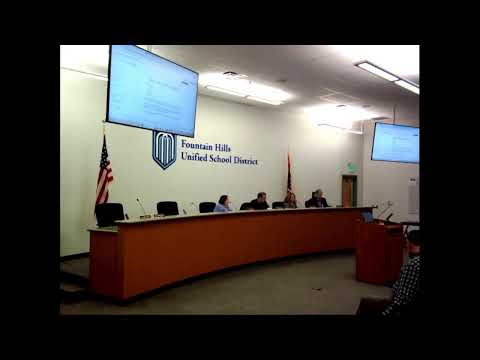
Fountain Hills USD board hears detailed plan to reshape pay-for-performance payouts
Summary
District staff presented a proposed 2025–26 Prop 301 pay-for-performance plan that would require certified staff to document a 30-hour combination of professional development, PLC work and professional responsibilities to qualify for funds; board members pressed staff on whether some required activities are already part of teachers’ jobs.
District staff presented a proposed 2025–26 pay-for-performance plan Tuesday that would change how certified employees qualify for Prop 301 funds, emphasizing a 30-hour documentation requirement split among professional development, professional responsibilities and professional learning communities.
The presentation, led by members of the district committee, explained the background: after legislative changes since 2020 and transfers of some Prop 301 money into base salaries in recent years, the committee aimed to create a simpler and more flexible system to distribute remaining funds. Committee members said the plan would allocate about two-thirds of available funds to professional growth and responsibilities and the remainder to evaluation-based measures administered by site administrators.
Officials described a universal tracker (a Google spreadsheet and paper alternative) to log hours and supporting evidence — dates, hours, attendees and brief summaries — and outlined eligibility rules: certified staff (teachers, counselors, librarians, psychologists, related-service providers and instructional coaches) would remain eligible; part-time and staff hired after the start of the year would receive prorated consideration; families of deceased eligible employees would receive payments per plan language.
Board members asked repeated questions about the scope of activities that would count toward the 30 hours. One member asked why district in-service trainings would be eligible if they are part of the expected job duties; presenters replied that statute allows certain in-district activities to count and that administrators must pre-approve out-of-district activities so they are relevant to instruction. Board members and staff discussed mentoring, positive phone calls to families, sponsorship of clubs, tutoring and paid mentor positions; presenters said the committee tried to balance flexibility with safeguards, and that site administrators would have evaluative tools to address instances where staff appeared to meet form requirements without substantive participation.
The presenters said the timeline calls for additional site-level feedback, a certified-staff vote (the plan requires 70% support of qualifying certified educators to proceed) and target board consideration on Dec. 3. They emphasized that the plan does not change job descriptions or job duties; it is a method to disburse a dedicated funding stream. Staff also said HR would provide a clear appeals process and deadlines for submission and notification of qualification status.
Board members requested clearer written examples of what would count as professional responsibility versus routine job duties and asked the committee to include explicit language about mentoring expectations and potential evaluative or disciplinary responses if staff met paperwork requirements without genuine engagement. Presenters agreed to return a consolidated, edited document to the board after site visits and feedback.