Get AI Briefings, Transcripts & Alerts on Local & National Government Meetings — Forever.
Committee hears interim study and NCSL briefing on impacts of term limits; public survey planned
Summary
Consultants and the National Conference of State Legislatures told the committee that term limits can shorten institutional memory, shift expertise to staff and executive agencies, and accelerate leadership turnover. Consultants will field a public survey of 600 North Dakotans and hold focus groups before delivering recommendations in April.
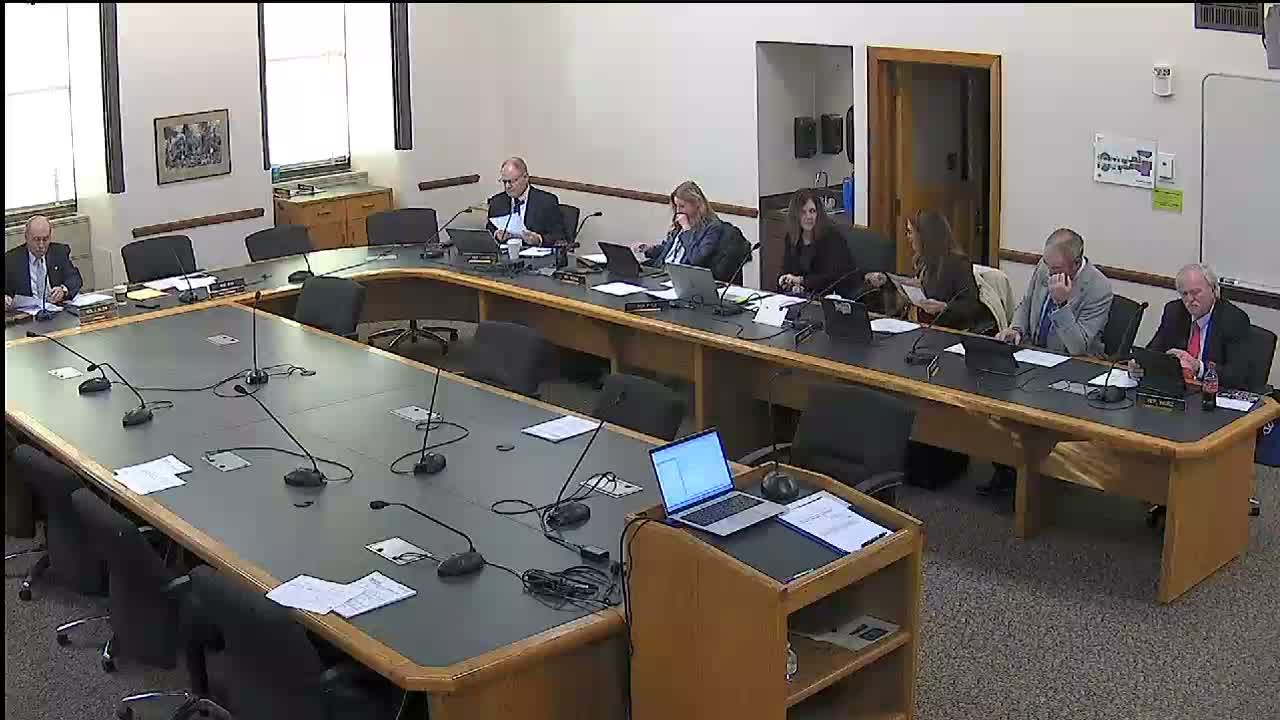
Chairman Klein convened the Legislative Procedure Arrangements Committee to hear interim study findings on the impacts of the 2022 constitutional amendment imposing term limits.
Julian Gardy of Gardy Consulting told the committee his mixed-method study—based on a literature review, targeted interviews and a legislator survey—aims to identify how term limits affect legislative capacity and to recommend measures to mitigate adverse effects. “So of the 141 possible legislators, 86 completed the survey with a 61% participation rate,” Gardy said, summarizing the initial legislator outreach and demographic breakdowns.
Gardy framed the committee’s decision-making options in four categories: constitutional changes, statutory changes (staffing and session frequency), operational or procedural changes (training and bill-introduction limits), and cultural changes (caucus timing and leadership norms). He said the final report and recommendations are due in April.
Emily Romko, a policy specialist with the National Conference of State Legislatures’ Center for Legislative Strengthening, told the committee 16 states currently have legislative term limits and reviewed national trends and state responses. “Supporters of term limits often cite increased turnover, which may lead to broader representation,” Romko said, adding turnover is a national trend that is not unique to term-limited legislatures.
Romko reviewed state practices to address turnover: Nevada’s legislative training academy and liaison program that assigns policy analysts to small groups of legislators; Montana’s mentor groups and extended orientation; and Colorado’s multi-phase onboarding and limits on bill introductions. She said many states increased nonpartisan staff roles and created mentor or apprentice programs to shorten the ramp-up time for new members.
Committee members asked about states that repealed term limits, whether the public understands which offices are covered by the 2022 amendment, and the fiscal implications of expanded training and staff. Gardy and Romko said some repeals occurred through state supreme courts (statutory limits struck down) and others through legislative repeal; they agreed to follow up with more detailed state comparisons and fiscal figures on legislative costs.
Next steps outlined by Gardy include fielding a public survey in mid-January targeting 600 North Dakotans, recruiting focus-group participants from that survey, conducting stakeholder interviews, and delivering a final analysis with options for the legislature to consider.
The presentations provided the committee with comparative state examples and practical options for mitigating the impacts of term limits but did not include any committee-level policy decisions at this meeting.