HHS tells ND committee $198.9M award gives 'once-in-a-lifetime' chance, but funds must be obligated quickly

Bridal Health Transformation Committee · January 13, 2026

Get AI-powered insights, summaries, and transcripts

Subscribe
AI-Generated Content: All content on this page was generated by AI to highlight key points from the meeting. For complete details and context, we recommend watching the full video. so we can fix them.

Summary

At a Bridal Health Transformation Committee hearing, HHS officials outlined a competitive rural health transformation award (about $198.9 million this year), laid out target funding buckets and strict CMS approval and obligation timetables, and urged legislators to help identify local projects and champions.

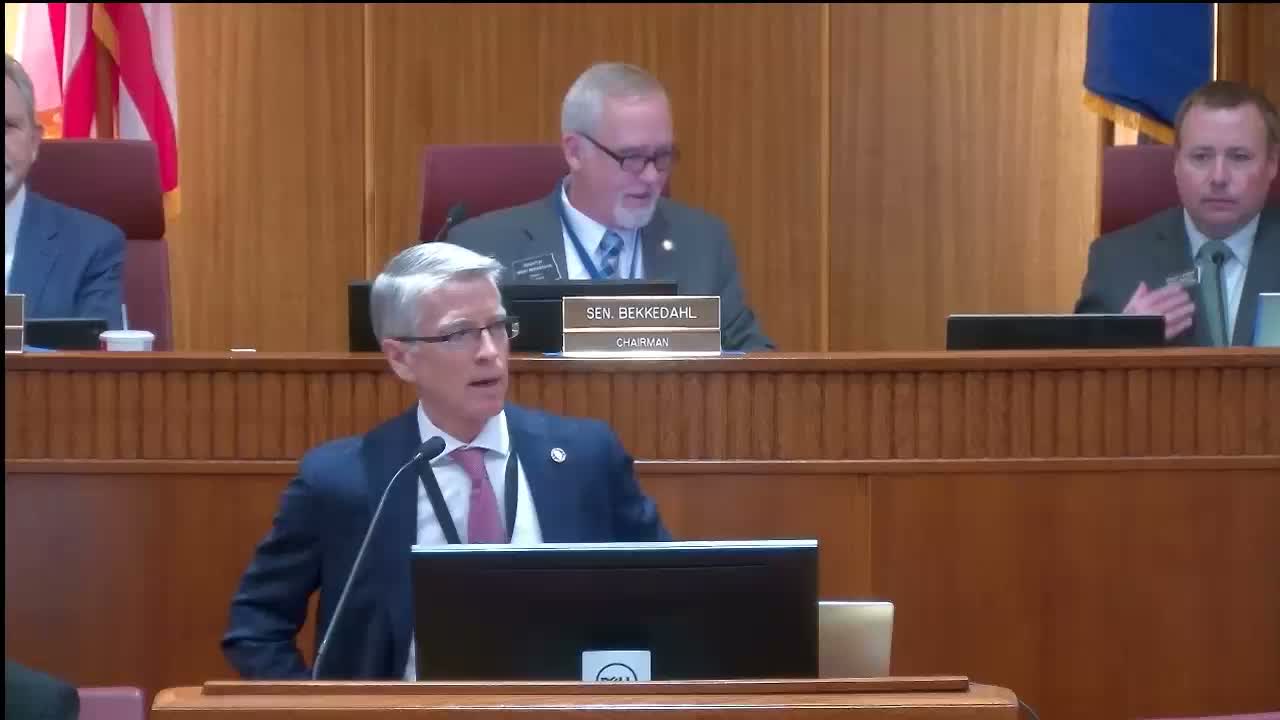
Pat Traynor, a Department of Health and Human Services official, told the Bridal Health Transformation Committee that North Dakota received a competitive rural health transformation award and that "speed is of the essence" to obligate and later liquidate the funds. Traynor described the grant as an opportunity to realign HHS work across technology, care close to home, workforce, and population health initiatives and urged legislators to connect HHS with local partners and ready projects.

The award includes both baseline and competitive components; HHS officials said the state will receive roughly $98.9 million in the current award year and described five-year target allocations across four priority buckets. Traynor listed targets for connectivity and data, care closer to home, workforce initiatives, and a community health pillar he described as "Make North Dakota healthy again," but cautioned those figures are targets and each obligation will require CMS review and approval.

CFO Donna Auckland told the committee the award-year structure is atypical and that the written award letter dated Dec. 29, 2025, leaves some timing questions unresolved. "Liquidation is a contractual agreement," Auckland said, explaining HHS must have executed contracts or purchase orders in place by the liquidation/obligation deadline. She estimated the program could require hundreds of contracts annually and warned that failure to obligate and spend funds within the required periods could lead CMS to claw back dollars or recalculate future awards.

HHS outlined likely grant types and eligibility. Krista (identified in committee materials as Krista Fleming/Fremming) described draft recruitment-and-retention grants that could fund bonuses, housing assistance, relocation costs, flexible work and training for providers that serve rural or tribal areas. She said applicants will need to demonstrate licensure, evidence of serving underserved patient populations, and in some cases commit to multiyear service (the notice of funding opportunity includes a five-year service requirement for certain incentives).

Officials also flagged four draft policy actions that were submitted with the state application and that carry point value in CMS scoring: a presidential fitness test policy (estimated at about $9 million in five-year value), nutrition continuing medical education (about $17.5 million), a physician assistant compact (about $3.48 million), and expanded pharmacist scope of practice (about $3.9 million). HHS staff warned the state could lose points — and money — in future years if those policy items are not enacted.

Legislators asked how HHS will reach rural residents and simplify procurement and applications. Traynor and Auckland said HHS plans to fund communications positions, use existing local public-health units and associations, provide technical assistance and subject-matter experts to applicants, and to work with OMB and NDIT to streamline contracting without sacrificing transparency. Traynor proposed using template applications and prototypes to speed CMS review and noted HHS will hire liaisons — including a tribal liaison — to aid readiness and implementation.

HHS closed by asking legislators to help identify "champions" and community-ready projects so funds can be obligated by the internal Sept. 30 target (set ahead of an Oct. 30 obligation date HHS is working to confirm with CMS). The committee recessed to divide into policy and appropriations workgroups to vet four related policy bills and the appropriation language.

The committee will reconvene in full the next day at 8:30 a.m. for any additional consideration.