Missouri bill would add funding weight for gifted students; sponsors and advocates urge careful fiscal review
Loading...
Summary
HB 17-48 would add a 0.6 weighting to gifted pupil counts in the foundation formula to reflect added program costs; sponsor and witnesses supported funding but acknowledged the fiscal note (roughly $121 million) needs review and that implementation details (thresholds, timing) require further committee work.
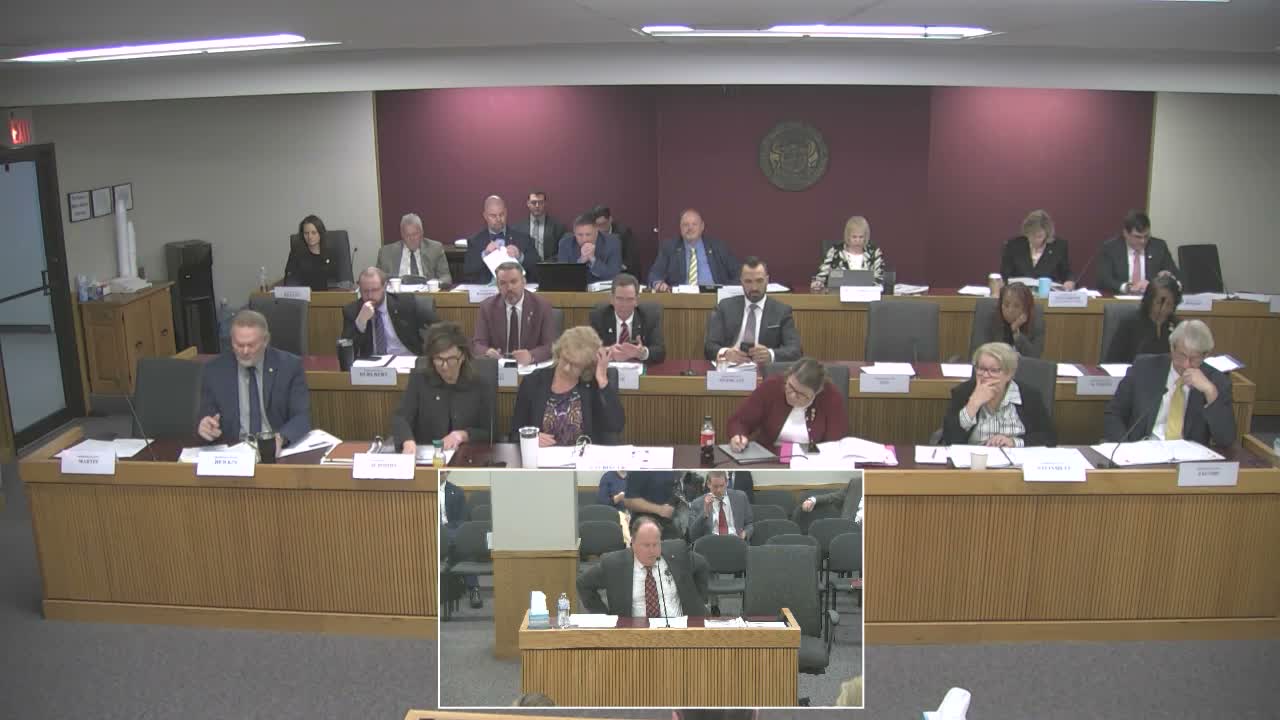
Representative Scott Miller presented House Bill 17-48, which would include gifted students in the weighted average daily attendance/membership calculation using a 0.6 multiplier, beginning July 1, 2027. Miller said the change recognizes that gifted programming requires specialized staffing, curriculum and supports that exceed typical per-pupil funding.
Miller cited state counts and the bill text to define a ‘‘gifted education pupil count’’ for funding purposes. He told the committee he had received a fiscal note the morning of the hearing that appeared high and said, “we're pretty confident this fiscal note is higher than it should be.” Committee staff and members discussed the department’s fiscal estimate reported in the hearing materials (about $121.49 million) and noted that adding money could increase identification and therefore cost.
Experts and advocates testified in favor of targeted funding. Dr. Beth Winton and representatives from the Gifted Association of Missouri, Missouri NEA, the Missouri Council of School Administrators and the Missouri State Teachers Association supported funding tied to service counts, noting past growth in programs when a dedicated line item existed and warning that rolling gifted funding into the general formula in 2008 reduced incentives to maintain programs.
Witnesses emphasized practical concerns: staff certification availability, the cost of coursework for teachers seeking gifted endorsement, and options for small districts (shared staffing, alternative delivery models). School-administration testimony also warned the committee that if the legislature adds new formula requirements without full appropriation, the department may prorate adequacy targets—effectively reducing the state adequacy target and shifting impacts across districts.
The hearing did not include a committee vote. Sponsors and stakeholders said detailed fiscal analysis, threshold rules, and alignment with ongoing foundation-formula work should be resolved before advancing the bill.