Get Full Government Meeting Transcripts, Videos, & Alerts Forever!
Get email alerts on the Special Education Dispute Resolution topic
No spam. Unsubscribe anytime.
Virginia Commission on Youth advances special‑education dispute‑resolution recommendations after public testimony
Summary
The Commission on Youth voted unanimously Oct. 21 to move a two‑year study and its recommendations on Virginia’s special‑education dispute‑resolution system to the governor and General Assembly. Public testimony detailed parental complaints about delays, compliance and perceived hearing‑officer bias.
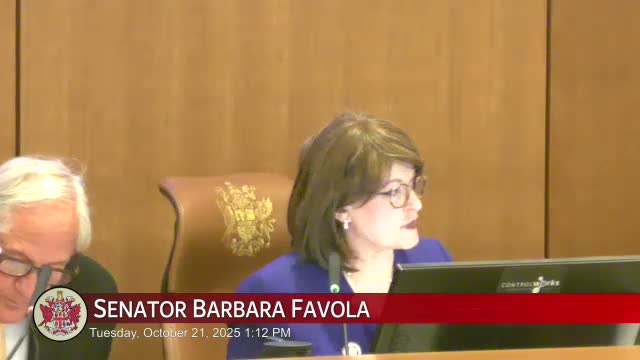
The Virginia Commission on Youth voted unanimously Oct. 21 to transmit a two‑year study of the state’s special‑education dispute‑resolution system to the governor and the General Assembly, moving recommendations that organizers say will strengthen oversight, training and parent support.
The report, the product of a 36‑member advisory committee convened under legislative direction, includes a set of draft recommendations and a decision matrix; Chair members said only one recommendation—Recommendation 20, to place a parent‑advocate position in the Office of the Children’s Ombudsman—would require new legislation. Amy Atkinson, staff lead, told the commission that draft changes based on written public comment were shown in red and that the report will be shared with authorizing education and health committees.
The study drew a sustained public comment period in which parents and advocates described lengthy disputes with school divisions over individualized education programs (IEPs) and due‑process outcomes. Cheryl Wilson, who said a hearing‑officer victory still left her grandson out of school, summarized her view as “delay and deny” in due process. Jackie Abt, a Henrico County parent, said her son’s IEP goals had not progressed in six years and that private‑placement requests were denied; she said the family has entered state complaint and mediation processes. Dr. Candace Lucas criticized the advisory group’s representation and called for stronger accountability for hearing officers.
Stakeholders also testified. Mike Asap of the Virginia Council of Administrators of Special Education (VCASE) endorsed early dispute resolution and training for mediators and staff, while other commenters urged recertification and training for hearing officers and stronger corrective‑action powers for the Virginia Department of Education.
Delegate Koiner moved to include the redlined changes and forward the recommendations in the Nov. 1 report; Delegate Tatum seconded. A voice roll call recorded unanimous approval and the chair said the motion passed. The chair said she will ask commission members to carry legislation and pursue budget amendments where necessary to implement recommendations that require statutory or funding changes.
The commission emphasized the report as a starting point: the staff expects lawmakers and agencies to consider and amend the proposals as they move through the legislative and budget process. The report and the decision matrix will be transmitted to the appropriate standing committees for further review and possible bills or budget requests.