Get Full Government Meeting Transcripts, Videos, & Alerts Forever!
Officials say lack of demand, infrastructure and funding limit housing and business growth
Summary
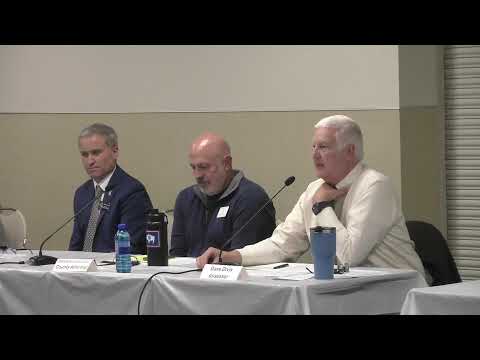
Panelists said limited demand, financing challenges and infrastructure gaps — water, sewer, and checkerboard land ownership — are the main barriers to new subdivisions and business investment despite county efforts and a state trails project meant to boost tourism.
County leaders and economic-development representatives told residents that housing and business growth in Sweetwater County is constrained more by demand, financing and infrastructure than by local zoning alone.
Commissioners and economic-development representatives reviewed recent work: a consultants' review of the county economic-development coalition, a planned trails system intended to bring modest tourism, and an…
Already have an account? Log in
Subscribe to keep reading
Unlock the rest of this article — and every article on Citizen Portal.
- Unlimited articles
- AI-powered breakdowns of topics, speakers, decisions, and budgets
- Instant alerts when your location has a new meeting
- Follow topics and more locations
- 1,000 AI Insights / month, plus AI Chat