
Appeals court probes whether PVCs qualify as 'heart disease' under retirement statute
Get AI-powered insights, summaries, and transcripts
Sign Up Free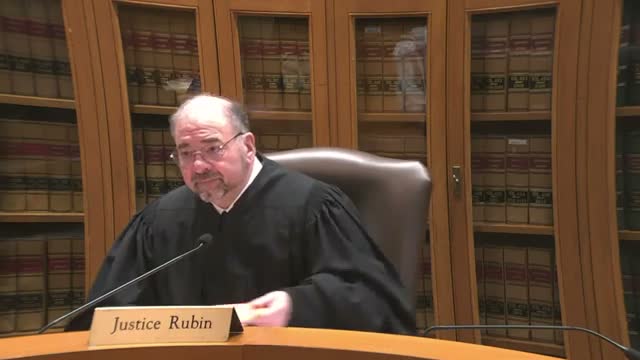
Summary
In Downey v. Crabbe, appellant counsel argued symptomatic premature ventricular contractions (PVCs) and related palpitations constitute 'heart disease' triggering the statutory presumption for accidental disability retirement; CRAB and the retirement board defended their finding that the record did not show a heart condition causing the disability, and the panel examined medical reports and deference owed to the administrative board.
Boston — The appeals court on Tuesday heard competing accounts over whether Elena Downey’s symptomatic premature ventricular contractions (PVCs) qualify as a condition of “heart disease” that would trigger a statutory presumption in favor of accidental disability retirement under chapter 32 §94.
Attorney John Becker, representing Ms. Downey, said two of three medical‑panel physicians concluded the applicant was disabled by symptomatic PVCs and that the statutory presumption should apply even though the treating records do not describe classic coronary disease. Becker argued the panelists used medical terminology and that a reasonable person reviewing the clarification letters would conclude that the panel majority found a cardiac condition disabling her.
Thomas Gibson, counsel for the Middlesex County Retirement Board, acknowledged the applicant is disabled but disputed that the record establishes the disability was caused by a condition of heart disease. Gibson pointed out the medical clarifications were equivocal in places; one panelist (Dr. Weinrauch) explicitly stated there was no evidence that a cardiac condition caused the disabling symptoms and attributed predominance to psychiatric causes.
The justices examined whether administrative deference to CRAB is warranted where CRAB’s written decision contains internally inconsistent language (the decision both references and questions the presumption), and whether any legal error occurred in CRAB’s application of the statutory standard. The court also questioned the panelists’ answers to clarification requests and whether missing “magic words” such as the literal phrase “heart disease” should determine the outcome. Counsel debated case law on the threshold showing required to invoke the presumption.
The court heard extended argument and took the matter under advisement.