Appeals court weighs sufficiency of facts and plea colloquy in indecent-assault case
Loading...
Summary
In Commonwealth v. Gevorgian, defense counsel said the record lacks a factual basis for indecent assault and battery conviction (acts described as hugging, a cheek kiss, and rubbing), and argued the plea colloquy failed to advise the defendant of key constitutional warnings and immigration consequences; the Commonwealth defended the plea’s factual basis citing context, age and power disparity.
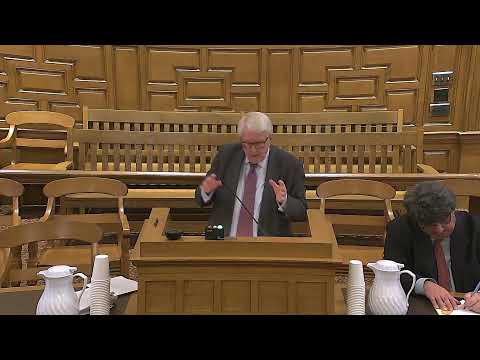
Boston — The appeals court on Tuesday heard argument over whether a guilty plea should be vacated in Commonwealth v. Gevorgian on grounds that the factual basis was inadequate and the plea colloquy defective.
Jennifer O’Brien, counsel for the defendant, told the court that the conduct described in the prosecutor’s proffer — rubbing hands and back, an attempted kiss and a kiss on the cheek — falls short of the indecency element required for an indecent assault and battery conviction under Massachusetts law. “There was no touching of breasts, buttocks, thighs,” O’Brien said, arguing that a rebuffed, closed‑mouth kiss and a hug do not rise to indecency in light of the precedents she cited.
O’Brien also argued the plea colloquy and the judge’s advice to the defendant were constitutionally deficient. She said the record and defense affidavits did not show discussions about immigration consequences or explicitly state maximum penalties, and that trial counsel’s affidavits were silent on those points — making an evidentiary hearing appropriate on ineffective‑assistance and colloquy claims.
Assistant Commonwealth counsel Jennifer Cohen urged the panel to affirm the denial of the motion to withdraw the plea. Cohen said contextual factors — a roughly 20‑year age gap, an employer‑employee power disparity and repeated unwanted physical contact — provide a sufficient factual basis for the indecency element. She also told the court that the judge did give the required warning on registration as a sex‑offender category and that case law recognizes context and force as relevant guideposts.
The justices questioned both sides on how to apply precedents, asked whether the rule of lenity should narrow statutory interpretation, and pressed O’Brien on whether a remand for an evidentiary hearing would be required if the court found deficiencies in counsel’s affidavits or the plea colloquy. The court took the matter under advisement after argument.
No decision was announced from the bench.