
Growers press Vermont senators for direct-sales license and excise-tax fund to help struggling producers
Get AI-powered insights, summaries, and transcripts
Subscribe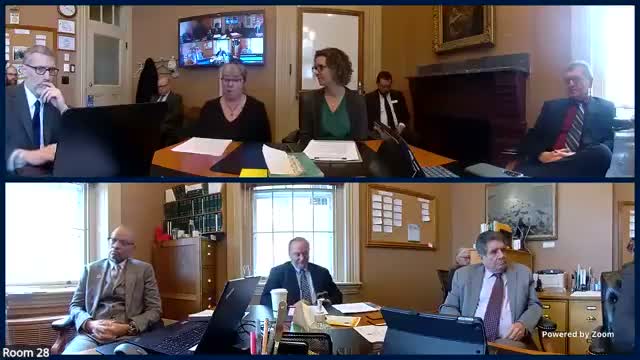
Summary
Growers and industry advocates told the Senate Agriculture committee that limited retail access and market consolidation leave most THC sales outside the regulated market; they proposed a supplemental direct-sales license for small producers and a $1 million annual business development fund from excise revenue.
Growers and industry coalition representatives told the Senate Committee on Agriculture that Vermont's market structure disadvantages small cultivators and manufacturers and contributes to a large unregulated market. Witnesses proposed a supplemental direct-to-consumer sales license for small "tier" producers and recommended dedicating excise-tax revenue to a Cannabis Business Development Fund.
Amy Lembs, who said she is part of the Vermont Growers Association and a CBD topical manufacturer, said many small producers cannot place lower-THC or value-added products on retail shelves because wholesalers and retailers favor high-THC items. Lembs said the regulated market captures "only 30% or slightly less than 30% of sales of THC products," leaving roughly 70% to unregulated channels and depriving state coffers of excise revenue.
Policy staff outlined statutory language for a supplemental direct-sales license that would allow tier-1 cultivators and manufacturers to sell cannabis and cannabis products they produce, subject to rules developed by the Cannabis Control Board. The proposal calls for rulemaking to set scale-appropriate security, taxation, point-of-sale reporting, training and inspection parameters and suggested a target rule-finalization date to ensure accessibility for small operators.
Panelists also recommended using $1,000,000 in annual excise-tax revenue for a Cannabis Business Development Fund to cover testing, compliance assistance, business advising, infrastructure grants and market access programs; staff proposed 25% of that fund be routed to the Land Access and Opportunity Board for down-payment assistance and technical support to expand land ownership for producers.
Growers and staff said the reforms would both pull sales into the regulated market and help small producers stay in business; a staff member noted more than 170 producers have left the market since it began. Senators expressed interest but cautioned that statutory jurisdiction and rulemaking authority rest with the Cannabis Control Board and other committees; the Agriculture committee emphasized it will remain educational and coordinate where appropriate.