Elementary coaches outline reading‑comprehension strategies and coaching role
Loading...
Summary
North Beverly instructional coach Lauren Sweatman described tier‑1/tier‑2 reading strategies—metacognition, visualization, inferencing, reciprocal teaching—and explained coaches' roles in data meetings, grade‑level planning and small‑group supports.
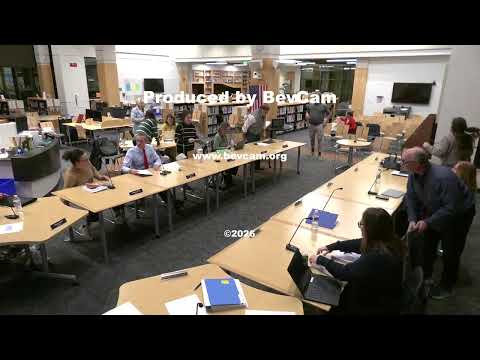
Lauren Sweatman, an instructional coach from North Beverly Elementary, presented grade‑level strategies the district uses to improve reading comprehension across grades 1–4 at the Jan. 14 CISL meeting.
Sweatman said teachers and coaches are emphasizing metacognition—teaching students to "think about their thinking"—and building routines that help students cite evidence and explain reasoning in expository writing. "One of the things that we really realized was that our students needed to be thinking more about their thinking," she said, describing the emphasis on evidence‑based explanation.
Other classroom strategies she outlined include visualization, inferencing, question‑answer response skills, Bloom's taxonomy for question generation, book clubs, reciprocal teaching roles and strategic read‑alouds. Sweatman described systemwide supports: three data meetings per year, frequent grade‑level planning, benchmark and formative assessments (including DIBELS) to identify students needing intervention, and enrichment groups for early graders.
On coaching responsibilities, Sweatman said coaches analyze data, run grade‑level meetings, model lessons for teachers (particularly first‑year teachers), plan small‑group instruction, and provide non‑evaluative feedback. The presentation emphasized that many strategies are tier‑1 and tier‑2 interventions delivered in general‑education classrooms.