Georgetown ISD weighs delaying openings of two new campuses amid enrollment and budget shortfall
Loading...
Summary
Trustees reviewed demographer revisions showing about 384 fewer students than earlier projections, a roughly $3.88 million revenue shortfall and four budget scenarios. Staff presented trade-offs: open both schools in 2027 (staffing costs ~ $5M) vs. delay to protect fund balance and avoid multi‑million cuts or a tax ratification.
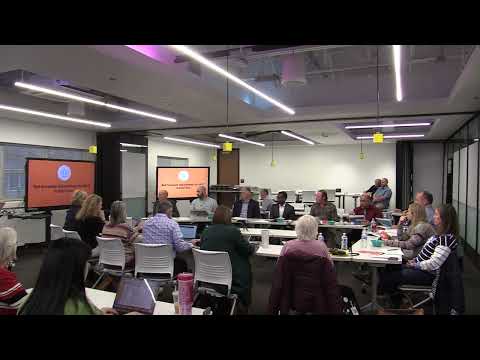
Georgetown ISD trustees spent the bulk of their Jan. 12 workshop reviewing revised enrollment projections and budget scenarios tied to openings of two planned campuses.
District staff said the demographer's 2025 projection reduces expected 2026–27 enrollment by about 384 students compared with a 2023 projection, creating an estimated revenue gap of roughly $3.88 million. Kenneth (finance staff) presented four budget scenarios that model outcomes of (a) no new schools and no cuts, (b) opening only the middle school, (c) opening only the elementary, and (d) opening both Elementary 12 and Middle 5. Staff estimated initial operating staffing costs at roughly $2 million for an elementary, $3 million for a middle school and about $5 million combined for both campuses; facility operating costs were presented separately.
The scenarios showed that without additional revenue or major cuts, opening both schools next year would draw down the district's fund balance (presently reported at about 24%) and could create a recurring deficit. Staff outlined potential mitigation strategies: targeted staffing reductions, repurposing facilities, increasing enrollment through open enrollment and in‑district transfers, or seeking voter approval of a tax-rate ratification (staff described a 2‑cent tax increase as generating roughly $900,000, and larger tax increases scaled accordingly).
Board members asked for additional horizon projections and sensitivity analyses. Several trustees urged caution: delaying openings would preserve fund balance and avoid cuts that would affect programs and staff; others said the district previously saved borrowing costs and construction-price exposure by issuing the 2024 bond on the existing schedule (staff estimated that waiting one year to borrow would have added interest and price escalation totaling roughly $40 million across borrowing and construction costs). Staff said a decision timeline should be set in February so rezoning, staffing and calendar work are not disrupted.
No formal vote was taken at the workshop; trustees directed staff to return with additional multi‑year enrollment scenarios, refined budget impacts including transportation net savings, and specifics on the timetable for any possible tax election.