Get Full Government Meeting Transcripts, Videos, & Alerts Forever!
Get email alerts on the Code Enforcement topic
No spam. Unsubscribe anytime.
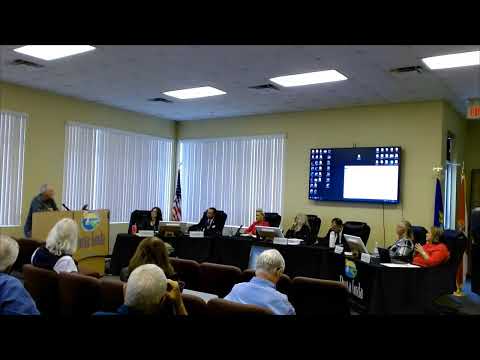
Council tables ordinance to add special magistrate option for code enforcement after public and council questions
Summary
Council held a first‑reading discussion about adding a 'special magistrate' option to Punta Gorda’s code enforcement process, debated scope and costs, and voted to table the ordinance for more specifics about which cases would be heard and fee responsibilities.
At first reading, city staff presented an ordinance that would add 'special magistrate' as an optional avenue for certain code‑enforcement proceedings. Zoning official Rachel Berry said the change originates with workshop discussions and would allow the city to use a magistrate for more complex or repeat cases while retaining the code board for routine matters.
"It is not necessarily staff requesting, hey, let's do away with code board and switch to a magistrate," Berry said, explaining the proposal was intended to give council an additional option.
Council members raised operational questions: what items would go to a magistrate versus the code board, whether a magistrate would represent an added ongoing cost, and whether a resident or the city would bear fees to request a magistrate. Several speakers—including code‑board vice chair Joe Como—urged caution, noting much of the existing process is dictated by state law and could instead be enforced more consistently under current rules.
Councilmembers asked staff to provide clearer definitions of which cases would be eligible for magistrate hearings, a timeline for violations (to limit vague phrases such as "reasonable time"), and fee allocation if a party requests a magistrate. Following extended public comment and council deliberation, a motion to table the ordinance passed.
Next steps: staff will return with a more detailed draft that defines the magistrate’s scope, fee structure, and recommended triggers for magistrate use before council considers a subsequent reading.