
East Central ISD board reviews administrative regulations that cap certain discretionary leave at 15 days
Get AI-powered insights, summaries, and transcripts
Subscribe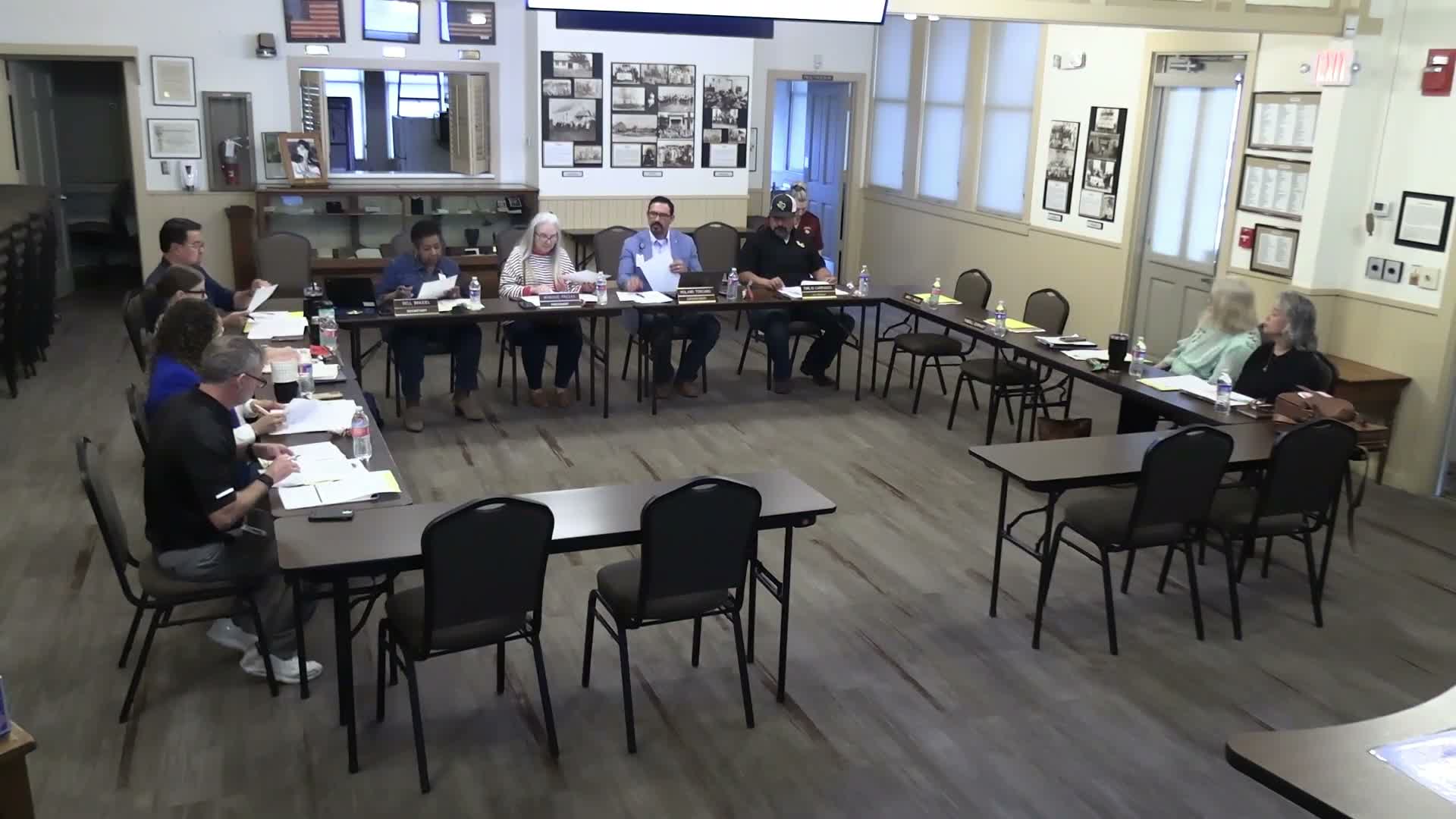
Summary
At a Jan. 8 workshop the East Central ISD board reviewed administrative regulations tied to existing policy, including a DECA draft that would cap certain discretionary leave uses at 15 days and trigger employee review if the limits or restricted-date rules are exceeded; signage and statutory compliance were also discussed.
Speaker 6, presenting administrative regulations developed to align with previously adopted board policy, told trustees the CSA draft governs use of private spaces and signage for gender-designated restrooms and locker rooms and that DECA clarifies family/medical leave and employee-use rules.
The most substantive change discussed was DECA’s handling of discretionary leave tied to student learning days. Speaker 6 said the draft would trigger an employment review "if you exceed 15 days and you are now in doc, your position is under review," and added the draft sets a cap: "we're capping it in the regulations at 15." The draft exempts statutorily protected leave (FMLA/TDL) but would allow progressive review up to disciplinary action when absences are judged to harm student learning.
The presenters identified specific restricted dates where leave use would be scrutinized: first week of a semester, the day before or after a school holiday, state-mandated assessment days, end-of-semester or other assessment days, and professional-development days. Speaker 6 said the administrative regulations will be published and communicated districtwide and that staff have already been following the guidance; Speaker 4 confirmed the rules would be "effective as of tomorrow."
Trustees asked operational questions about signage and enforcement. Speaker 8 asked whether temporary locker-room signs would be secure; Speaker 6 said the district has ordered laminated, bright-yellow printed signs and is communicating changes to families so impacted students and staff are aware.
Board members also raised fiscal and legal questions. Speaker 7 asked whether changes required by state legislation create an unfunded mandate; presenters said administrative regulations implement policy required by state law and that implementation costs are a district consideration.
What happens next: the materials were provided as a draft for trustee review; presenters said no formal board action was required at the workshop and that staff will publish and communicate the administrative regulations and continue to answer questions from principals and employees.